
How To
Tomato plant sunlight requirements by growth stage: minimum hours explained
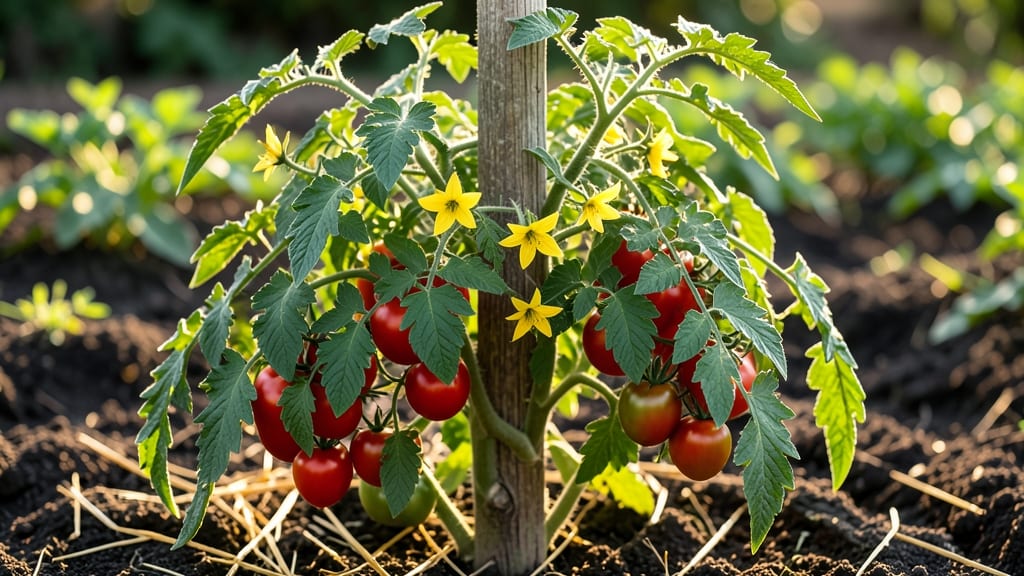
Tomato plants are sun worshippers, and their light needs change dramatically as they grow. Seedlings crave intense light to prevent leggy, weak stems, while mature plants need 8+ hours of direct sun daily to produce heavy, flavorful fruit.
Understanding these stages helps you adjust your garden setup for maximum yields—whether you're growing outdoors or under grow lights.
Let’s break down the sunlight requirements by growth stage, so you can give your tomatoes exactly what they need at every phase. Missing these targets can lead to stunted growth, poor flowering, and even no fruit production—so pay close attention to these numbers!
| Growth Stage | Minimum Sunlight Hours | Ideal Sunlight Hours | Notes |
|---|---|---|---|
| Seedlings (First 2-3 Weeks) | 12+ hours | 14-16 hours | Use grow lights if natural light is insufficient; prevents etiolation (weak, stretched stems). |
| Young Plants (3-6 Weeks) | 6-8 hours | 8+ hours | Gradually harden off seedlings; avoid partial shade which slows growth. |
| Mature Plants (Flowering/Fruiting) | 8+ hours | 10+ hours | Full sun is critical for fruit set and ripening; 6 hours may yield fruit but with lower quality. |
| Indoor/Container Growing | 12-14 hours | 14-16 hours (with grow lights) | Supplement with LED grow lights 12-16 inches above plants; rotate daily for even growth. |
For outdoor gardens, the best spots are south-facing with minimal obstructions like trees or buildings.
If your yard gets less than 6 hours of sun, consider container growing on a sunny patio or balcony instead. Morning sun (6 AM–10 AM) is ideal because it’s less intense than afternoon rays, which can scorch leaves.
In northern climates or during shorter winter days, you’ll need to extend light exposure. Use reflective surfaces like white walls or mirrors to bounce extra light onto plants. For indoor setups, grow lights on timers (14-16 hours/day) mimic natural sunlight cycles and prevent leggy growth.
One common mistake is assuming more sun is always better. While tomatoes love light, intense afternoon sun (1 PM–5 PM) in hot climates can cause sunscald—white, leathery patches on fruit. Provide light shade (30-50%) during peak heat to protect delicate tomatoes without sacrificing growth.
If you’re growing heirloom varieties, they often need even more light than hybrids to develop full flavor. Varieties like Brandywine or Cherokee Purple thrive with 10+ hours of sun and produce sweeter fruit when exposed to maximum light.
For cherry tomatoes, 8 hours is usually sufficient, but they still benefit from extra sunlight.
Remember, light quality matters too. Tomatoes need full-spectrum light (including UV rays) for proper photosynthesis. Cloudy days reduce light intensity by up to 50%, so supplement with grow lights if your area experiences frequent overcast weather.
This is especially critical in Pacific Northwest or UK gardens where sunlight is diffuse.
For container growers, choose pots with light-colored surfaces to reflect extra light onto roots. Dark containers absorb heat, which can stress plants in hot conditions. Place containers on elevated stands to improve airflow and light exposure at the base of the plant.
Finally, monitor your plants for light stress signs. If leaves turn pale or yellow, they’re getting too much direct sun. If stems stretch toward light or leaves grow small and sparse, they’re light-deprived. Adjust your setup accordingly—your tomatoes will thank you with bigger, tastier harvests!
How to tell if your tomato plants aren’t getting enough light (and how to fix it)
Your tomato plants might be begging for more sunlight even if they’re not telling you outright. Leggy stems, yellowing leaves, and fewer flowers are classic signs your plants are light-deprived.
I’ve seen this happen when seedlings stretch toward a weak window or when mature plants get shaded by taller neighbors. The good news? Recognizing these signs early can save your harvest.
One of the first red flags is excessive stem elongation—those spindly, weak stems reaching for the sky. This happens when plants stretch toward light sources, a condition called etiolation.
Another clue is small, pale leaves that look almost translucent. If you notice these, your plants are likely not getting the 6–8 hours of direct sun they crave for optimal growth.
Poor flowering is another dead giveaway. Tomato plants need plenty of light to produce fruit set. If you see fewer blooms or flowers that drop off quickly, light deprivation is often the culprit.
Even if flowers appear, they might not develop into tomatoes, leaving you with empty vines. This is especially common in indoor gardens or shaded outdoor spots.
🌱 Pro Tip: Check the undersides of leaves for white or pale spots. This indicates the plant isn’t getting enough light to photosynthesize properly. If you see these signs, it’s time to act fast—your tomatoes won’t save themselves!
⚠️ Warning: Ignoring Light Needs Can Ruin Your Harvest
If your tomato plants aren’t getting enough light, you risk:
- Stunted growth – Plants stay small and weak.
- Poor fruit production – Fewer (or no) tomatoes form.
- Weak stems – Plants flop over under their own weight.
- Disease susceptibility – Light-deprived plants are more prone to fungal issues.
Don’t wait until it’s too late—act now to supplement light if needed!
If you’ve spotted these signs, don’t panic. The first step is to move your plants to a sunnier spot. For outdoor gardens, this might mean relocating them to a south-facing area where they can soak up 6+ hours of direct sun.
If you’re growing in containers, try moving them to a balcony or patio that gets more sunlight. Even a few extra hours can make a world of difference.
For indoor growers, consider adding a grow light. A simple LED grow light placed 6–12 inches above your plants can provide the extra 12–16 hours of light seedlings need. If you’re using a window, ensure it’s south-facing—north-facing windows often don’t provide enough light for tomatoes.
Rotate your plants every few days to ensure even growth, especially if they’re leaning toward the light.
Finally, keep an eye on seasonal changes. In winter months, days are shorter, so you might need to supplement with grow lights or move plants closer to windows. The key is to adjust as needed—your tomatoes will thank you with bigger, healthier fruit! ☀️