
Plants
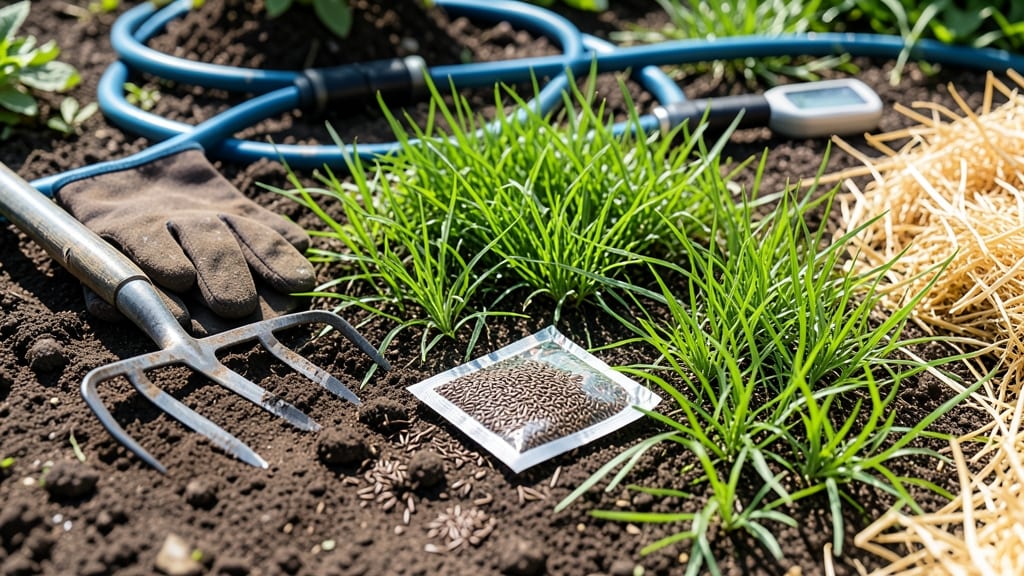
Planting Bermuda grass seeds in Texas at the wrong time can turn your dream of a thick, green lawn into a frustrating gamble. The difference between fast establishment and months of patchy growth often comes down to those exact months when soil temperatures and weather align perfectly for germination.
If you've ever stared at your lawn wondering why your seeds aren't taking hold, you're not alone. Bermuda grass 🌱 thrives in Texas's heat, but it needs the right conditions to get started—and timing is everything.
Plant too early, and you'll battle cool soils and weeds; too late, and summer's intensity can stress young seedlings before they establish.
I've helped countless Texas gardeners transform their yards by planting at the optimal window—late spring to early summer when soil temperatures hit that sweet spot of 65°F or warmer.
This isn't just guesswork; it's about understanding your specific zone (whether you're in North Texas's 8a or South Texas's 10b) and working with nature's schedule.
In this guide, I'll break down the exact months for your region, plus pro tips to prepare your soil, water like a pro, and avoid common mistakes that kill seeds before they even sprout. Let's get your Bermuda grass off to the fastest start possible—no more waiting for results.
Best months to plant Bermuda grass seeds in Texas (with temperature zones)
Texas gardeners know that Bermuda grass thrives in heat, but planting too early or late can ruin your chances of a thick, green lawn. Unlike cool-season grasses, Bermuda grass needs warm soil temperatures—at least 65°F (18°C)—to germinate properly.
If you plant before the ground warms up, your seeds will rot or fail to sprout, wasting time and money.
The ideal window for planting Bermuda grass seeds in Texas is between late April and early June, but this varies by region. North Texas has cooler springs, while South Texas can plant earlier due to its warmer climate.
Let’s break down the best months for each Texas zone to ensure your seeds get the jumpstart they need.
⚠️ CRITICAL: Bermuda grass is a warm-season grass, meaning it goes dormant in winter. Planting in fall or winter will result in poor germination or no growth at all. Stick to spring and early summer for best results.
| Texas Zone | Best Planting Window | Soil Temp Requirement | Key Consideration |
|---|---|---|---|
| North Texas (USDA 8a-8b) | Late May - Early June | 65°F+ (18°C+) | Wait for last frost (usually March 15) and warm nights. |
| Central Texas (USDA 8b-9a) | Mid-April - Late May | 65°F+ (18°C+) | Soil warms faster; monitor for consistent 70°F+ (21°C+) days. |
| South Texas (USDA 9a-10b) | Early April - Mid-May | 60°F+ (15°C+) | Can plant earlier due to warmer winters and longer growing season. |
| East Texas (Humid) | Late April - Early June | 65°F+ (18°C+) | Watch for fungal risks from humidity; improve drainage. |
If you’re in North Texas, hold off until late May or early June to avoid cooler soil temperatures that slow germination.
In Central Texas, mid-April is a safe bet, but always check soil temps with a soil thermometer—Bermuda grass seeds won’t sprout until the ground reaches 65°F (18°C).
For South and East Texas, you can plant as early as April, but be cautious of summer heat stress if you plant too late.
The goal is to give your seeds 6-8 weeks of warm weather before the first frost (usually November 15 in North Texas), so they can establish strong roots before dormancy.
Pro tip: Use a soil thermometer to confirm your soil is warm enough. Stick it 2 inches deep in the ground—this is where Bermuda grass seeds will germinate. If the reading is below 65°F (18°C), wait a few more days. Patience now means a thicker lawn later.
One common mistake is planting Bermuda grass seeds in August or September. While the soil may be warm, the longer daylight hours and intense Texas sun can stress young seedlings.
If you miss the spring window, your best bet is to sod instead of seed in late summer for faster coverage.
Finally, remember that Bermuda grass spreads aggressively once established. Planting at the right time ensures your lawn fills in quickly, outcompeting weeds and creating that coveted drought-resistant turf. With the right timing and care, your Texas lawn can go from bare soil to lush green in just a few months.
Best months to plant Bermuda grass seeds in Texas (with temperature zones)
Texas gardeners know timing is everything when planting Bermuda grass seeds. Unlike cool-season grasses, Bermuda thrives in warm soil temperatures—typically 65°F (18°C) or higher. Planting too early risks frost damage, while late planting may mean slow establishment before summer heat sets in.
The ideal window is late spring to early summer, but exact months vary by Texas region.
North Texas (USDA Zones 8a-8b) has a shorter growing season, so aim for late April to early June. Central Texas (8b-9a) can plant slightly later, from mid-April to mid-June.
South Texas (9a-10b) enjoys longer warm seasons, allowing planting from March to early July. Always check your last frost date—wait at least 2-3 weeks after frost to ensure seeds won’t be shocked.
For fastest results, plant in June or early July—this gives seeds 6-8 weeks of warm weather to germinate before summer’s peak. However, avoid planting after mid-August; seedlings struggle to establish before fall’s cooler temps. Use a soil thermometer to confirm temperatures meet requirements before sowing.
Pro tip: If you miss the ideal window, consider sod instead of seeds in late summer. Sod establishes faster and handles Texas heat better than young seedlings. But for seeds, June is your golden month—balance between warmth and rainfall.
Remember, Bermuda grass spreads aggressively once established. Planting at the right time ensures dense coverage by late summer, outcompeting weeds naturally. Monitor your lawn’s progress and adjust watering as needed—consistency is key during those first critical weeks.