
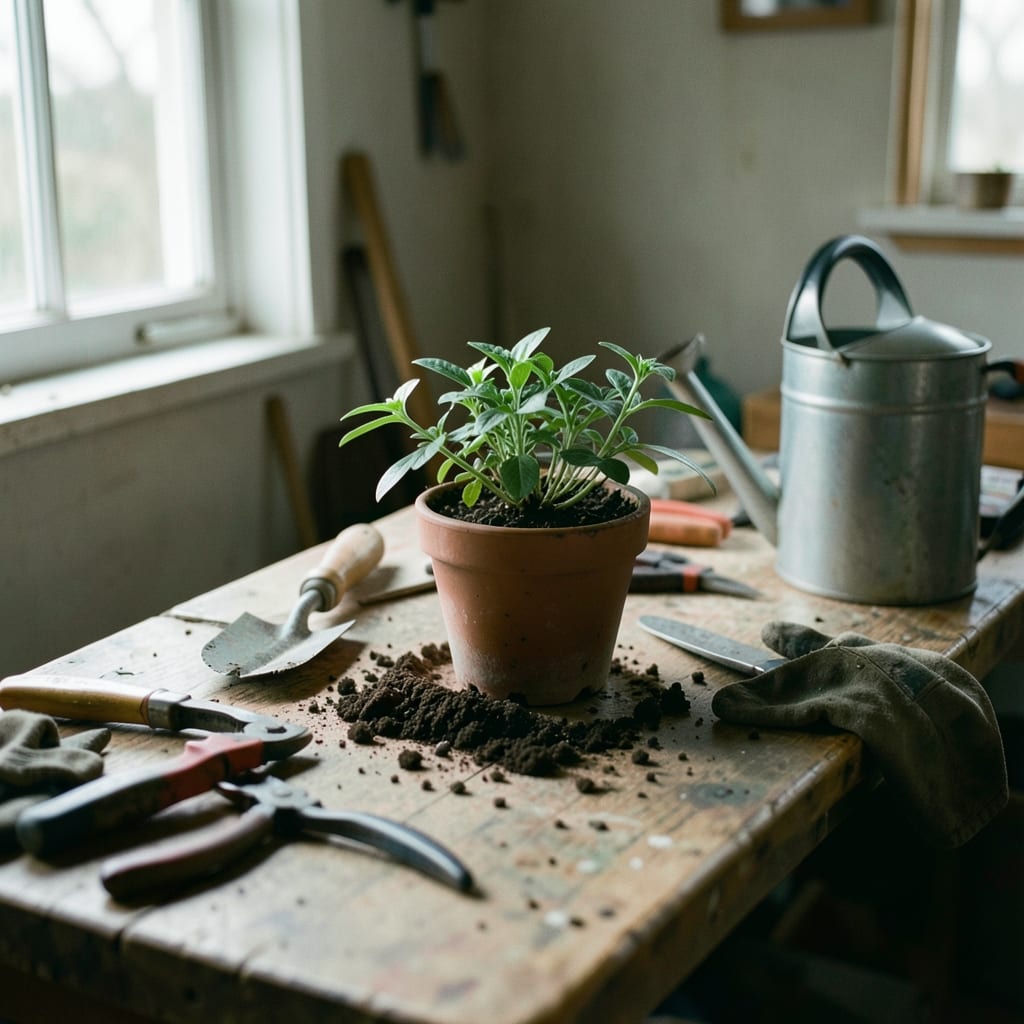
What changed, and what it changed for you
When *Plant Stem* started, it was a collection of half-remembered tips from gardening books and old gardening forums. The advice was secondhand, the advice was wrong, and the photos looked nothing like a real garden—just polished shots of plants that had already won.
The site treated gardening like a puzzle with one right answer, when in reality, the right answer depends on your soil, your climate, and the year you’re planting in.
Now, every piece of advice is tied to something specific: the pH of my soil, the exact shade of my backyard, the year my tomatoes finally stopped cracking.
You’ll see the failures as much as the successes—the wilting basil that came back, the zucchini that bolted too early, the roses that thrived after three years of neglect. The goal isn’t to make gardening feel easy; it’s to make it feel honest.
| It used to be | Now it is |
|---|---|
| Advice copied from other sites without testing. | Every tip is tested in my own garden, with notes on what went wrong before it worked. |
| Generic photos of perfect plants. | Photos from my garden—messy, seasonal, and sometimes just plain ugly. |
| Seasonal guides that assumed one ideal climate. | Adjustments for high desert, urban balconies, and humid summers. |
| No mention of pests or diseases. | Troubleshooting sections for common problems in each region. |
The one that took years
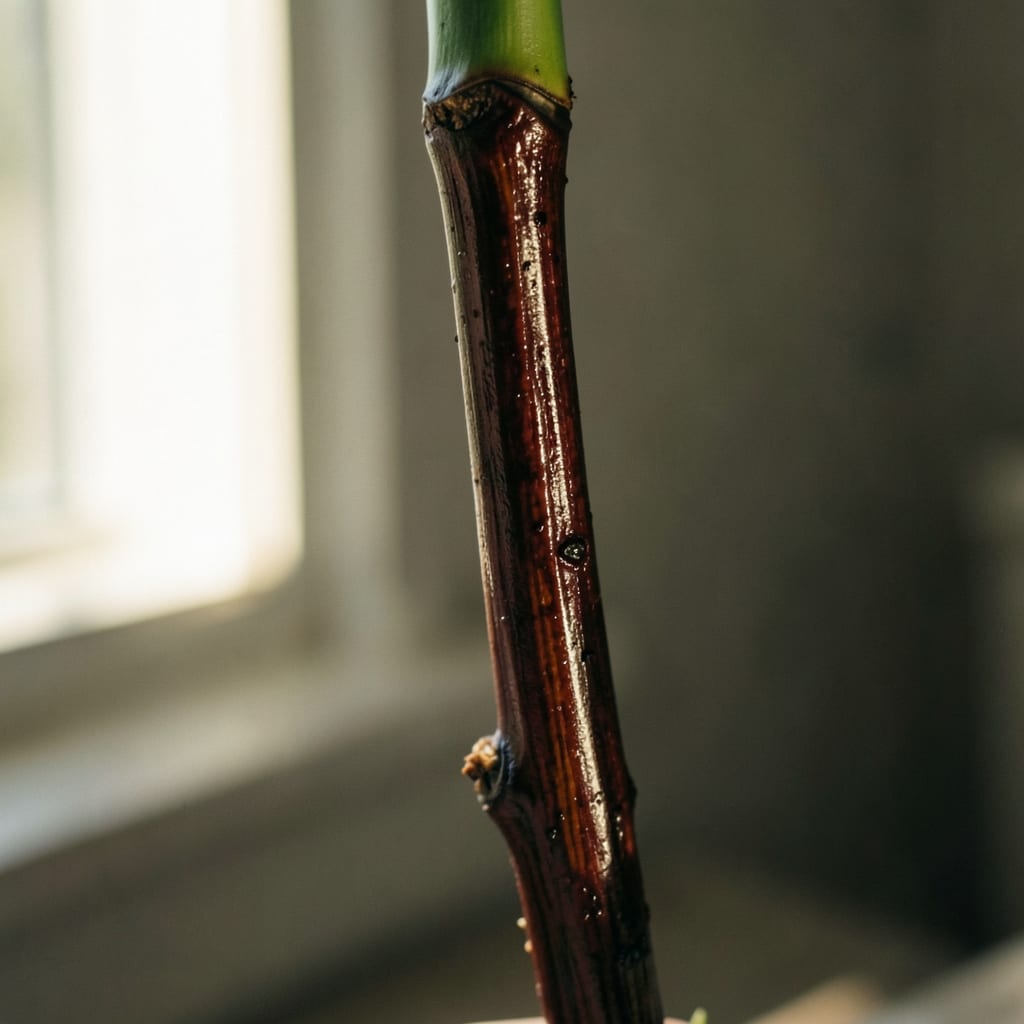
For the first three years, I refused to write about soil. Not because I didn’t care—because I didn’t understand it. I treated soil like a blank canvas, something you could just *add* to without ever having to dig into why it was bad in the first place.
That led to a lot of wasted compost, confused plants, and articles that told readers to ‘amend their soil’ without saying how. The problem wasn’t that I didn’t know enough; it was that I didn’t know how little I knew.
The turning point came when I finally sent a soil sample to a lab. The results were a joke: my ‘fertile’ garden soil was basically sand with a side of clay, and my pH was so far off that half my plants were starving while the others got burned.
Fixing it cost $80 for the test, another $200 for the right amendments, and three months of watching my garden die before it started to live.
But now, every soil-related article includes a breakdown of what’s actually in the dirt, what’s missing, and how to fix it without breaking the bank.
Keeping it this way costs time—every post now requires a soil test or at least a deep dive into local extension service reports. It costs money, too: lab tests, high-quality tools, and the occasional replanting when a tip goes wrong.
But the alternative was worse: a site that told people to ‘trust the process’ while their tomatoes rotted in the vine.
Meet the author
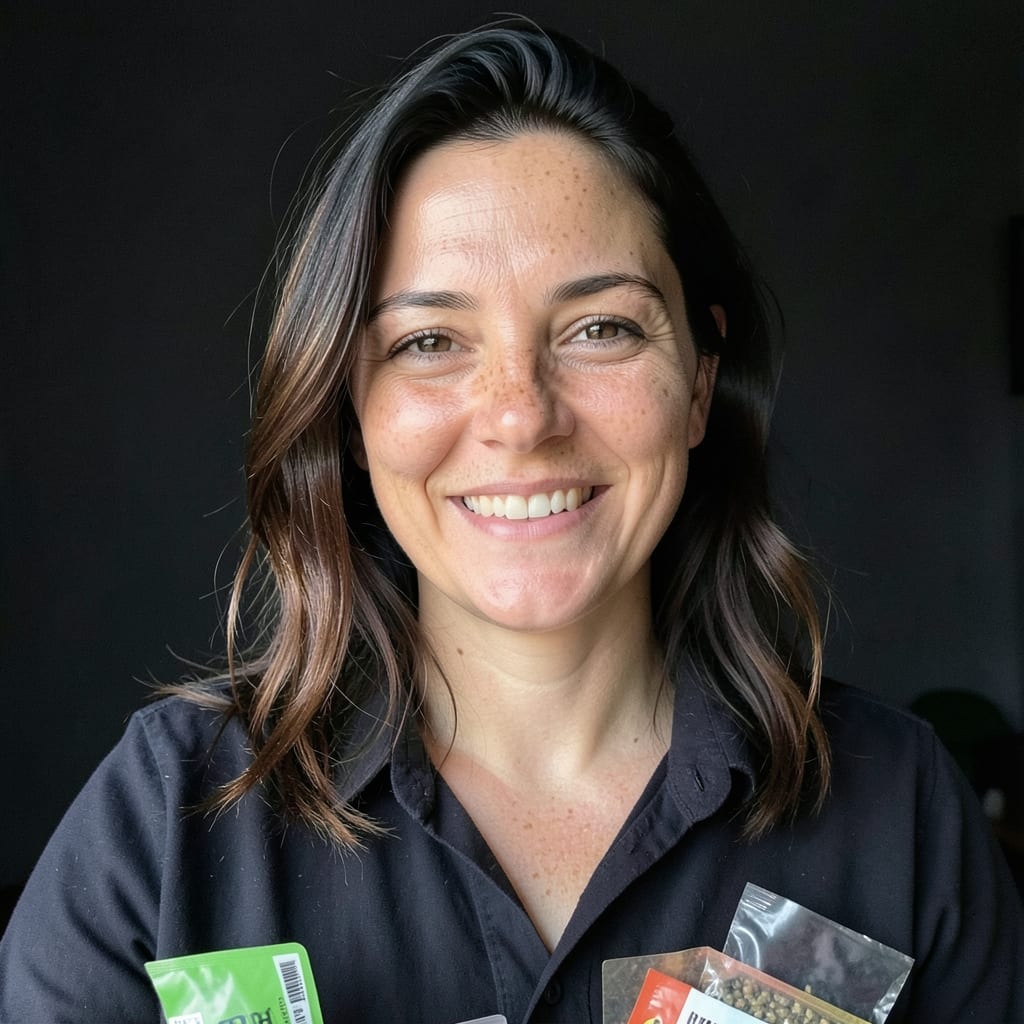
I grew up in a house where gardening was something my grandmother did in the spring, then complained about all summer.
Her tomatoes were either too green or too rotten, her roses grew where she didn’t want them, and her ‘perfect’ lawn was just a patchwork of weeds and bare spots.
She’d hand me a trowel and say ‘fix it,’ and I’d spend hours digging, watering, and praying—only to watch the same thing happen the next year. The lesson I took from her wasn’t how to garden; it was that gardening was a losing battle against luck and bad advice.
For years, I treated gardening like a hobby for people who had time, money, and perfect weather. I’d buy seeds in February, plant them in May, and then panic when the first frost came in October.
My ‘garden’ was a series of half-hearted attempts that always ended with me pulling up the plants and starting over. The worst part? I never wrote about it.
If I did, it would’ve been full of excuses—‘my soil is bad,’ ‘I don’t have time,’ ‘the deer ate everything’—instead of the real work of figuring out what actually grows where you live.
What changed was the first year I stopped apologizing for my garden.
Now, I write about gardening the way I wish I’d learned it: messy, unpredictable, and full of things that don’t work before they do.
As *Milton Beaudry*, I run *Plant Stem* by testing every tip in my own backyard—whether it’s a $20 seed packet or a $50 trellis—and then telling you exactly what happened. No perfect photos, no fake optimism. Just plants, soil, and the truth about what grows.
What did not change
The core belief—that gardening should be for people who don’t have perfect conditions—hasn’t wavered. The first post I ever wrote was about growing herbs in a New York City apartment with no sunlight, and that’s still the kind of problem I care about.
The site will always prioritize real gardens over ideal ones, and the advice will always assume you’re working with what you’ve got, not what you wish you had.
I still hate writing about tools. The gardening world treats shovels and pruners like they’re magic, but most of them are just overpriced metal that breaks after a season.
If I mention a tool, it’s because I’ve used it for a year and it didn’t fall apart, not because it’s ‘the best.’ The same goes for seeds: if I recommend a variety, it’s because it grew in my garden, not because a catalog promised it would.
What is still being fixed
The biggest gap is seasonal coverage. Right now, the site is strongest in late spring and summer, but winter gardening—especially in colder climates—is still a mess of half-tested ideas.
I’m working on a ‘winter survival guide’ for houseplants and cold-hardy crops, but it’ll take another year of trial and error to get it right. If you’ve got tips that work where you live, the contact page is the place to share them.
We’re also building a database of regional pest solutions. Right now, the site treats pests like a universal problem, but the fix for aphids in California is totally different from the fix in Michigan. That’s the next big project—and it’ll cost a lot in time and replanted gardens.
Things that would help
- Photos of your garden’s ‘ugly’ moments—wilting plants, failed crops, and what you learned from them.
- Notes on what actually grows in your climate, even if it’s not what the seed packets promised.
- Troubleshooting advice for pests or diseases you’ve beaten (or are still fighting).
The guides are grouped by category: Advice, Aphids, Blooming, Companion Plants, Container Gardens and Diseases.