
Plants
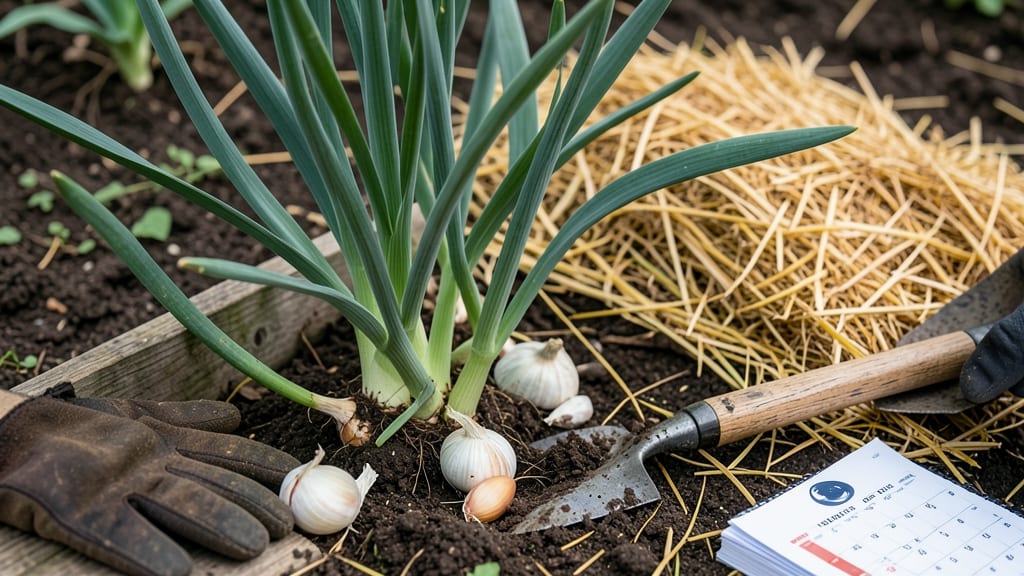
Planting garlic in Virginia at the wrong time can mean the difference between a bountiful harvest and wasted effort—especially when late frosts threaten to ruin your hard work. For gardeners in zone 7a, timing is everything, and these exact months will help your 🧄 thrive.
Fall is the ideal season for planting garlic in Virginia, with the best window stretching from October to November. This timing allows the cloves to establish roots before winter dormancy sets in, setting the stage for a robust spring growth.
Skipping this window could leave your garlic vulnerable to frost damage or poor bulb development.
Why does this matter? Because garlic planted too early may sprout and get damaged by freezing temperatures, while planting too late can result in weak growth. I’ll break down the science behind Virginia’s climate, so you can avoid common mistakes and maximize your yield.
Whether you’re a seasoned gardener or just starting, these insights will help you plan your garlic patch with confidence. Let’s dive into the exact steps to ensure your cloves survive the winter and multiply come harvest time.
Virginia’s ideal garlic planting windows by hardiness Zone (5a-7b)
Virginia’s 5a-7b hardiness zones create distinct planting windows for garlic, where fall planting is critical for hardneck varieties and early winter planting works for softnecks. The key? Planting 4-6 weeks before the ground freezes—typically between October and November—to ensure cloves establish roots before winter dormancy.
In Zone 5a (mountainous regions like the Shenandoah Valley), aim for mid-October to early November when soil temps drop to 40-50°F. Zones 6a-7b (Richmond to Norfolk) have until late November, but don’t wait too long—early December risks poor root development before frost.
Hardneck varieties (like Music or German White) thrive in Virginia’s cooler winters, while softnecks (such as Silverskin) tolerate milder zones like Zone 7b. Hardnecks need cold vernalization (40°F+ for 6-8 weeks) to form bulbs, making fall planting non-negotiable.
Here’s the critical rule: Plant when daytime highs average 70°F and nighttime lows dip below 50°F. This balance ensures cloves sprout but roots harden before frost. In Zone 6a, that’s usually late October; in Zone 7b, push to early November.
Missed the window? Softnecks can tolerate late fall planting (even January in mild winters), but hardnecks will bolt or produce small bulbs. Always check your last frost date—Virginia’s ranges from mid-November in the mountains to early December in Tidewater.
🌱
| USDA Zone | Ideal Planting Window | Soil Temp Threshold | Variety Recommendation |
|---|---|---|---|
| 5a (e.g., Roanoke) | Mid-October to early November | 40–50°F | Hardneck (Music, German White) |
| 6a (e.g., Lynchburg) | Late October to mid-November | 45–55°F | Hardneck or Softneck (Silverskin) |
| 7a (e.g., Charlottesville) | Early to late November | 50–60°F | Softneck (Artichoke, Creole) |
| 7b (e.g., Norfolk) | Late November to early December | 55–65°F | Softneck (Silverskin, California Early) |
For Zone 5a gardeners, prioritize hardneck varieties like Purple Stripe, which handle Virginia’s colder winters better than softnecks. In Zone 7b, softnecks like California Early can stretch planting into December, but bulbs will be smaller if planted after November 15.
Pro tip: Use a soil thermometer to confirm temps. Cloves need 40–50°F soil to sprout but not freeze. In Zone 6a, if temps drop below 32°F before roots establish, mulch with 4–6 inches of straw to insulate.
Ever wonder why some gardeners plant in January? That’s a softneck hack for Zone 7b+, but hardnecks will bolt (flower prematurely) if planted too late. Stick to the fall window for reliable results.
🌿
How to adjust planting timing for Virginia’s unpredictable weather patterns
Virginia’s weather can be as unpredictable as a spring shower—one day warm and sunny, the next a sudden frost. If you’ve ever planted garlic only to watch it freeze before sprouting, you know how critical flexible timing is.
The key is to plant 4-6 weeks before the first hard frost, but with Virginia’s USDA zones 5a-7b, that window shifts from mid-October in the mountains to early December in coastal areas.
Adjusting for soil temperature (aim for 40-50°F) and local frost dates can save your harvest.
For example, in Zone 6a (e.g., Charlottesville), plant between October 15-November 1. But if your area gets an early frost, don’t panic—garlic cloves can handle light freezes once planted. The real risk comes from thawing and refreezing, which can damage emerging shoots.
Use mulch (straw or leaves) to insulate soil and regulate temperature swings. This simple layer can add 5-10°F protection during cold snaps.
🌱
Late Planting Risks: If you miss the fall window, spring planting is possible but yields will be 50-70% smaller. Garlic planted in March-April grows quickly but lacks the cold stratification needed for full bulb development. For a backup plan, try container growing—small pots can be moved indoors if frost threatens.
Example: In Zone 7b (Richmond), a December 1 planting can still succeed with heavy mulching.
Another trick is to test soil readiness with a moisture meter or by checking if soil feels cool but workable (like a damp sponge). If it’s still warm (60°F+), wait—garlic cloves won’t sprout until temperatures drop.
For hardneck varieties (like Music or German White), which need cold vernalization, plant as early as possible. Softneck varieties (like Silverskin) are more forgiving but still benefit from fall planting.
What about unseasonable heat? If summer lingers into October, prioritize shade cloth or drip irrigation to keep soil moist. Dry soil in warm weather can cause cloves to sprout too early, making them vulnerable to frost.
Aim for 1 inch of water per week, and always water in the morning to prevent fungal diseases. A well-draining bed (sandy loam works best) also helps prevent rot if rains delay planting.
Finally, keep an eye on local weather forecasts—especially the 10-day outlook. If a hard freeze (20°F or below) is predicted within 2 weeks of planting, hold off until conditions stabilize.
In Zone 5a (e.g., Roanoke), this might mean waiting until late November. Patience pays off: garlic planted at the last possible moment before frost often outperforms rushed early plantings.
With these adjustments, you’ll turn Virginia’s volatile climate into an advantage—harvesting plump, flavorful bulbs even when Mother Nature throws curveballs. 🌡️