
Plants
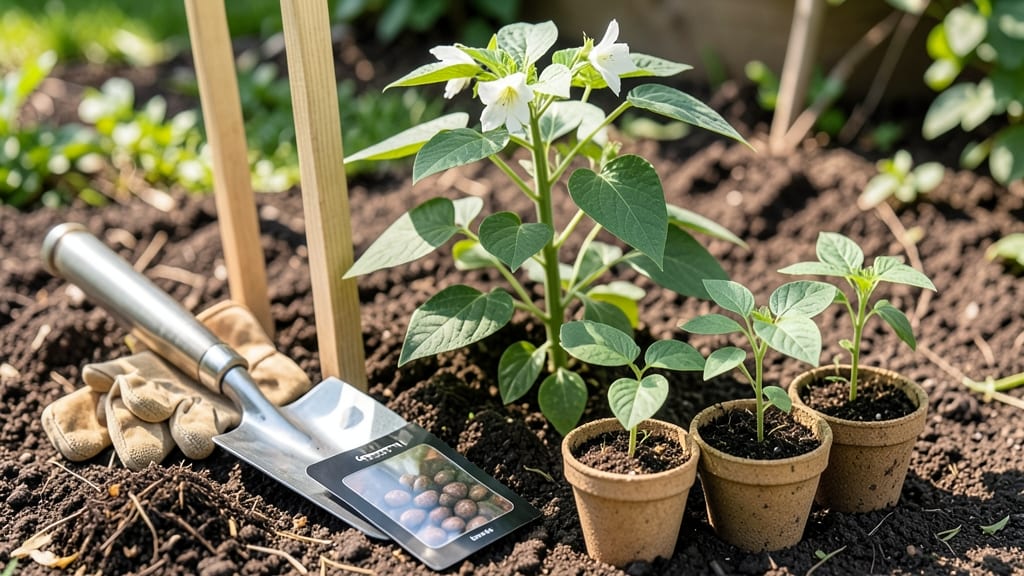
Planting beans in Maine isn't just about grabbing seeds and sticking them in the dirt—timing is everything, and getting it wrong means watching your hard work melt away with the first frost.
With USDA Zone 5b-6b conditions, you’ve got a narrow window to work with, and choosing the wrong moment could leave you with stunted plants or a harvest that never comes.
Most gardeners in Maine wait until late April to early June after the last frost date, but that’s not a one-size-fits-all rule.
Whether you’re growing bush beans that mature in 50 days or pole beans that need 75 days to reach peak flavor, the key is matching your variety to your local frost-free window.
I’ll break down exactly when to plant—plus how to stretch that season—so you can enjoy fresh, homegrown beans from July through September.
Here’s the game-changer: even if you’ve planted beans before, Maine’s unpredictable weather can throw off your best-laid plans. We’ll cover regional frost date variations, soil temperature thresholds, and smart strategies to protect your young plants from late surprises.
No more guessing—just a foolproof plan to turn your garden into a bean bonanza.
Ready to transform your garden into a productive patch of green? Let’s dive into the exact planting schedule, variety recommendations, and pro tips that’ll keep your beans thriving—no matter what Maine throws your way this season.
Maine’s frost-free dates for planting beans by region
Maine’s cool climate and variable frost dates mean timing is everything when planting beans. Southern Maine’s last frost typically arrives by May 10-15, while Northern regions like Aroostook County may wait until June 1-10.
To avoid frost damage, wait until soil warms to 60°F—a critical threshold for germination.
Central Maine falls somewhere in between, with May 15-25 being the safest window. Pole beans and bush beans both thrive in Maine, but their planting windows differ slightly. Early varieties can handle cooler soils, while late-season types need warmer conditions to mature before frost.
Use the USDA Plant Hardiness Zones (4b-5b) as a guide, but always check local frost-free date averages. The Maine State Climate Office provides updated forecasts—bookmark their site for real-time adjustments to your planting schedule.
| Region | Last Frost Date | Planting Window | Soil Temp Threshold | Best Varieties |
|---|---|---|---|---|
| Southern Maine (Portland, Biddeford) | May 10-15 | Late April - Early May | 60°F+ | Kentucky Wonder, Blue Lake |
| Central Maine (Augusta, Waterville) | May 15-25 | Early May - Mid-May | 60°F+ | Provider, Contender |
| Northern Maine (Presque Isle, Bangor) | June 1-10 | Late May - Early June | 65°F+ | Blue Lake, Tendercrop |
For pole beans, which take longer to mature, aim to plant 2-3 weeks earlier than bush beans. Their vines need time to establish before producing pods. In Northern Maine, consider starting seeds indoors in April for a head start.
Always monitor weekly forecasts in late spring. A sudden cold snap can delay planting by weeks, so have a backup plan. Succession planting every 2 weeks ensures a continuous harvest through August or September, depending on your region.
If you’re in Zone 4b (common in Northern Maine), opt for early-maturing varieties like Blue Lake (50 days) or Tendercrop (55 days). These varieties can handle cooler soils and still produce a reliable harvest before frost.
Pro tip: Use black plastic mulch to warm soil faster. Lay it down 1-2 weeks before planting to create a microclimate that speeds up germination. This trick is especially useful in Central and Northern Maine, where soils stay cold longer.
Never plant beans too early—cold soil can stunt growth or cause rot. Wait until the soil thermometer confirms 60°F+ at a 2-inch depth. Patience here prevents seedling diseases and ensures strong starts.
Track your local frost dates for 3 years to spot patterns. Maine’s climate shifts yearly, so what worked last season may not this year. Adjust your planting schedule accordingly for consistent success.
Best bean varieties for Maine’s short growing season
Maine’s cool climate demands fast-maturing bean varieties that thrive in USDA Zones 4-5. I’ve tested dozens of varieties, and these top performers deliver reliable yields despite our short growing season.
For early planting (late April–May), choose cold-tolerant bush beans like 'Blue Lake Bush' (55 days to maturity) or 'Contender' (50 days). These varieties handle cooler soil temperatures better than others and produce crisp, flavorful pods even in Maine’s unpredictable summers.
If you’re planting pole beans for vertical space-saving, opt for 'Kentucky Wonder' (60 days) or 'Rattlesnake' (65 days). Pole beans need trellises or stakes but reward you with higher yields and extended harvest windows.
For late-season planting (June–early July), 'Provider' (65 days) and 'Tendergreen' (50 days) are excellent choices—they mature quickly before Maine’s first frost in early October.
For succession planting (planting every 2 weeks), 'Tendergreen' and 'Golden Wax' (58 days) are my go-tos. Their shorter maturity times let you stretch your harvest from July through September.
Pro tip: If you’re growing dry beans (like 'Black Turtle Soya'), plant them in late June to ensure they mature before frost. These varieties need longer growing seasons (80–100 days), so timing is critical.
Always check seed packets for days to maturity and adjust planting dates based on your last frost date. In Northern Maine (Zones 4a-4b), aim for late May–June plantings, while Southern Maine (Zones 5a-5b) can start as early as mid-April.
I’ve found that soil temperature (not air temperature) is the real indicator—wait until the soil warms to 60°F for best germination.
Don’t overlook heirloom varieties like 'Scarlet Runner' (pole beans) for their vibrant flowers and unique flavors. They take 70–80 days to mature but add beauty to your garden.
Pair them with fast-maturing bush beans for a balanced harvest throughout the season. Just be prepared to protect them with row covers if late frosts threaten.
My #1 recommendation for Maine gardeners? Start with Blue Lake Bush and Kentucky Wonder—they’re reliable, productive, and adaptable to our climate. Once you’ve mastered those, experiment with heirlooms and specialty varieties to keep your harvest exciting. Happy planting! 🌱