
Plants
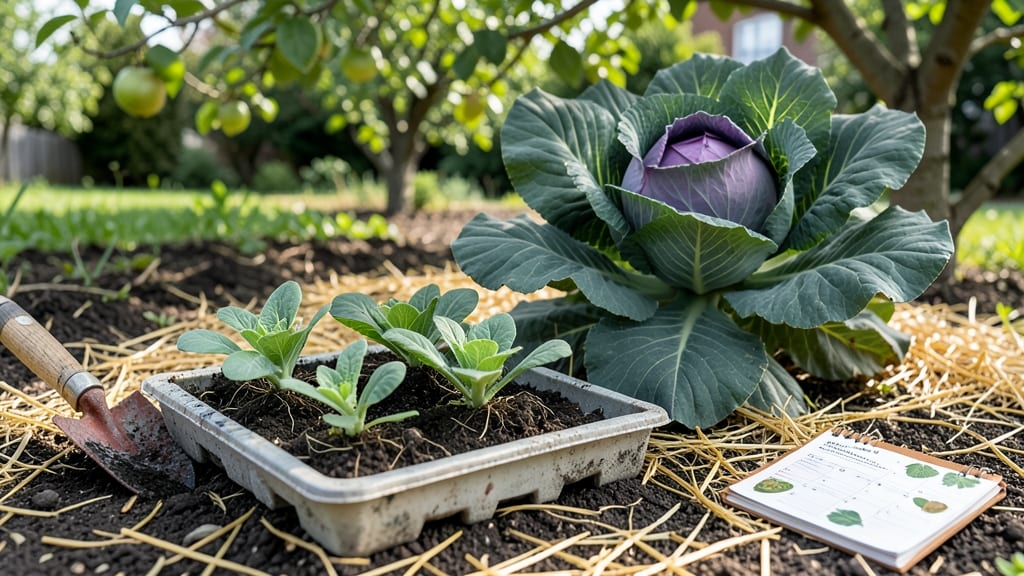
Planting cabbage in Georgia at the wrong time can mean the difference between a thriving 🥬 harvest and wilted disappointment. With the state's 7b-8b climate zones, timing your spring and fall plantings just right is the key to avoiding both frost damage and summer heat stress.
Most gardeners in Georgia know cabbage loves cool weather, but few realize that planting too early in spring or too late in fall can leave your plants struggling.
The ideal window is February-March for spring and August-September for fall, giving you two chances to grow this versatile vegetable before the heat sets in.
What makes this even more important is Georgia's unpredictable weather patterns. A late frost in March or an early heatwave in May can ruin an entire crop if you're not prepared.
I'll show you exactly how to time your plantings for maximum success, whether you're in the Piedmont or Coastal Plain regions.
Discover the heat-tolerant varieties that thrive in Georgia's summers, soil prep secrets, and how to stretch your growing season with simple techniques. Let's get your cabbage off to the best possible start!
Best planting months for cabbage in Georgia by region (frost-free zones 7b-8a)
Cabbage thrives in Georgia’s cool-season climate, but timing varies dramatically between North Georgia’s Piedmont region (like Atlanta) and South Georgia’s Coastal Plain (like Savannah). The key is planting 4-6 weeks before the last frost in spring and 10-12 weeks before the first frost in fall.
For Georgia’s USDA Zones 7b-8a, this means two distinct windows: February-March for spring and August-September for fall.
Georgia’s humid subtropical climate creates unique challenges—summer heat causes cabbage to bolt prematurely, while late fall frosts can ruin tender leaves. North Georgia’s cooler nights allow slightly later spring planting, while South Georgia’s warmer winters extend the fall harvest window.
Let’s break down the exact months for each region to maximize your yield.
📅 Spring Planting (North Georgia: Atlanta/Chattanooga) • January 15–February 15: Start seeds indoors for transplanting • February 20–March 15: Direct sow or transplant outdoors • March 20–April 15: Last chance for spring planting (harvest by June)
📅 Spring Planting (South Georgia: Savannah/Macon) • February 1–March 1: Start seeds indoors • March 10–April 1: Transplant outdoors (earlier than North) • April 10–May 1: Final spring window (risk of bolting increases)
🌱 Georgia Cabbage Planting Comparison
| Region | Spring Planting | Fall Planting | Key Consideration |
|---|---|---|---|
| North Georgia (Atlanta) | Feb 20–Mar 15 | Aug 15–Sep 15 | Cooler nights delay bolting |
| South Georgia (Savannah) | Mar 1–Apr 1 | Aug 1–Sep 10 | Warmer winters extend fall |
| Mountain Areas (Zone 7b) | Feb 1–Mar 10 | Aug 10–Sep 5 | Later frosts limit fall window |
For fall cabbage, South Georgia gardeners have a slight edge—warmer coastal temperatures allow planting until early September without frost risk. In North Georgia, aim to finish planting by mid-September to ensure heads mature before November’s first frost.
I’ve had success with ‘Golden Acre’ in fall, as its 60-day maturity fits perfectly in Georgia’s short cool season.
One pro tip: Use black plastic mulch in late summer to warm soil and extend the fall planting window by 2-3 weeks. This is especially useful in Zone 8a areas like Macon, where summer heat lingers. Just remove the mulch 2 weeks before harvest to avoid bitter flavors.
If you’re in Zone 7b (North Georgia mountains), consider cold-hardy varieties like ‘Wisconsin Winter’—they tolerate light frosts and can be planted as late as September 15. For coastal areas, shade cloth (30-50%) during peak summer helps prevent bolting when planting early fall crops.
Remember: Georgia’s humidity accelerates fungal diseases like black rot. Always plant in well-draining soil with 12-18 inches of compost mixed in. I’ve seen cabbage yields double when using raised beds with drip irrigation—critical for Georgia’s heavy summer rains that can drown roots.
For a year-round supply, stagger plantings every 2-3 weeks from February to September. This ensures continuous harvests from May through November, avoiding the July-August heat slump when cabbage struggles to thrive. Just don’t plant after June 15—the heat will turn your cabbage into bitter, bolted disappointment.
🌱
Best planting months for cabbage in Georgia by region (frost-free zones 7b-8a)
Georgia’s diverse climate zones mean your cabbage planting schedule should vary between North Georgia (Atlanta, Chattanooga) and South Georgia (Savannah, Macon). The average last frost date in Zone 7b is March 15, while Zone 8a (common in South Georgia) can push planting later.
Timing is critical to avoid frost damage or summer bolting.
For spring cabbage, aim to plant 4-6 weeks before your last frost date.
This means February to early March in North Georgia and March to early April in South Georgia. Fall planting should begin 10-12 weeks before the first frost (around August to early September), ensuring harvests before winter sets in.
Here’s how to align your planting with Georgia’s microclimates and heat tolerance:
If you’re in North Georgia, prioritize early spring planting (February) to harvest before summer heat arrives. Fall planting in August gives you a second crop before frost. For South Georgia, delay spring planting until March to avoid early heat waves, and opt for heat-tolerant varieties for fall crops.
Always harden off seedlings before transplanting, especially if starting indoors. Use row covers for early spring plantings to protect against unexpected frosts. In South Georgia, consider shade cloth during peak summer months to prevent bolting.
Pro tip: Use succession planting every 2-3 weeks in spring and fall to ensure a continuous harvest. This works especially well in North Georgia’s shorter growing season, where space may be limited.
🌱