
Watering
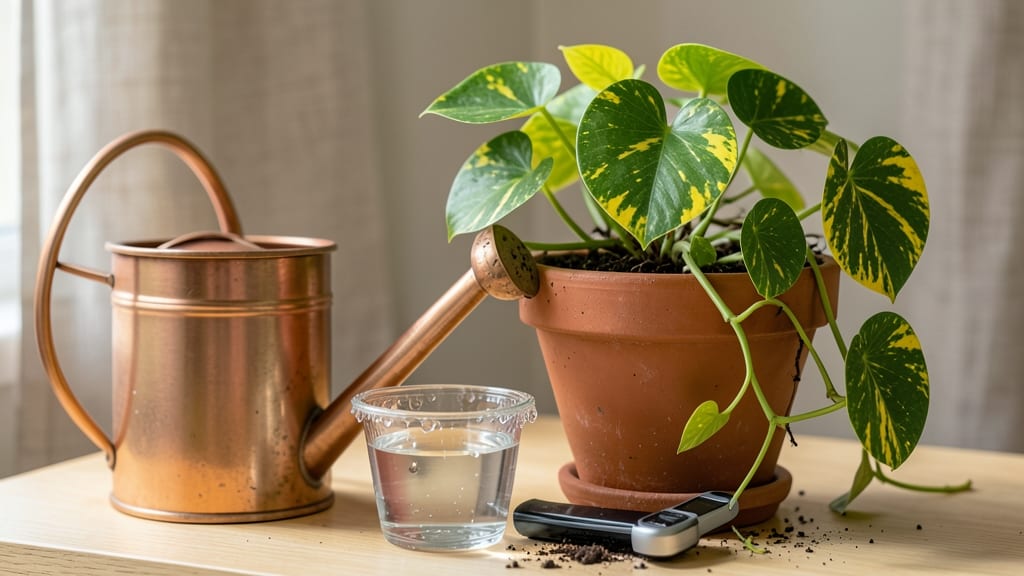
Want your 💵 money plant to thrive without guessing how much water it needs? The key isn't just frequency—it's understanding when its soil is actually thirsty.
Too much or too little water can turn those glossy leaves into sad, brown edges, and I've seen it happen more times than I'd like to admit.
Here's the truth: your money plant's watering needs change with the seasons, your home's humidity, and even the type of soil it's growing in. What works in the dry heat of summer might drown it in the cozy air of winter.
I'll show you exactly how to check soil moisture the right way—so you never over- or underwater again.
You'll learn the exact watering schedule for spring through winter, plus the 5 signs your plant is begging for a drink (or a break from the water). No more guessing games—just happy, healthy growth that keeps your money plant looking its best year-round.
Whether you're a beginner or just tired of your plant's leaves telling you "help!" in Morse code, this guide gives you the confidence to water like a pro. Let's get your 💵 thriving with the perfect balance of moisture and care.


How often to water a money plant based on season and soil type
Watering your money plant (Pachira aquatica) correctly is the key to keeping its leaves vibrant and preventing root rot. Unlike some drought-tolerant plants, money plants prefer consistent moisture but hate soggy soil.
The right watering schedule depends on two critical factors: the season and your soil type. Let’s break it down so you can tailor your watering routine like a pro.
During spring and summer, your money plant grows most actively, so it needs more frequent watering—about every 5 to 7 days. In contrast, fall and winter slow down its growth, so you can stretch watering to every 10 to 14 days.
But here’s the catch: soil type changes the game. Sandy soil drains faster, while clay soil holds moisture longer. Adjust your schedule accordingly to avoid either drowning or dehydrating your plant.
Before we dive into the specifics, here’s a pro tip: always check soil moisture with your finger. Stick it about 1 inch deep—if it feels dry, it’s time to water.
If it’s still damp, wait a few more days. This simple habit saves money plants from both overwatering and underwatering, two of the most common mistakes.
🌱
| Season | Soil Type | Watering Frequency | Moisture Check | Water Amount |
|---|---|---|---|---|
| Spring | Sandy | Every 4-5 days | Top 1 inch dry | 1 cup |
| Spring | Clay | Every 7-8 days | Top 1.5 inches dry | 1.5 cups |
| Summer | Sandy | Every 3-4 days | Top 1 inch dry | 1.5 cups |
| Summer | Clay | Every 5-7 days | Top 1.5 inches dry | 2 cups |
| Fall | Sandy | Every 7-10 days | Top 1.5 inches dry | 1 cup |
| Fall | Clay | Every 10-12 days | Top 2 inches dry | 1.5 cups |
| Winter | Sandy | Every 10-14 days | Top 2 inches dry | 0.75 cup |
| Winter | Clay | Every 14-21 days | Top 2.5 inches dry | 1 cup |
Now that you have a clear watering schedule, let’s talk about how to adjust for humidity and pot size. Money plants in smaller pots dry out faster, so they need water more often—sometimes as frequently as every 5 to 7 days, regardless of the season.
On the other hand, larger pots retain moisture longer, so you can extend the time between waterings. Always ensure your pot has drainage holes to prevent water from pooling at the roots.
Another factor to consider is humidity levels. If you live in a dry climate or use central heating in winter, your money plant’s soil will dry out faster.
In these cases, increase watering frequency slightly or use a humidifier near the plant. Conversely, if your home is naturally humid, you can water a bit less frequently.
One mistake many beginners make is watering on a strict schedule without checking the soil. Instead, always test moisture levels before watering. If the soil feels damp, hold off—your money plant can handle a little drought better than it can handle waterlogged roots.
Pro tip: Use a moisture meter for accuracy, especially if you’re unsure about your soil type.
Finally, remember that water quality matters. Money plants are sensitive to chlorine and fluoride in tap water, which can build up in the soil over time. If your tap water is heavily treated, let it sit out for 24 hours before watering or use filtered or rainwater instead.
This small change can make a big difference in your plant’s health and growth.
How often to water a money plant based on season and soil type
Your money plant (Pachira aquatica) thrives on a consistent but flexible watering routine. Unlike succulents, it doesn’t love drought, but soggy soil will suffocate its roots. The key? Check soil moisture before watering—your finger is the best tool.
Stick it 1-2 inches deep; if it feels dry, it’s time to water. If damp, wait another day or two.
Seasonal changes drastically affect how often you water. In spring and summer, your plant grows actively and drinks more water. During fall and winter, growth slows, and water needs drop. Even indoor humidity levels (like from a humidifier or grouped plants) can influence moisture retention.
Soil type plays a huge role too. Sandy soil drains quickly, so you’ll water more often, while clay soil holds moisture longer. If you’re unsure about your potting mix, opt for a well-draining blend with perlite or orchid bark to mimic its natural tropical habitat.
Always use a pot with drainage holes—this is non-negotiable for money plants.
| Season | Watering Frequency | Soil Check | Water Amount |
|---|---|---|---|
| Spring | Every 7-10 days | Top 1-2 inches dry | 1-2 cups (250-500ml) |
| Summer | Every 5-7 days | Top 1 inch dry | 1.5-2 cups (375-500ml) |
| Fall | Every 7-10 days | Top 1-2 inches dry | 1 cup (250ml) |
| Winter | Every 10-14 days | Top 2-3 inches dry | 0.5-1 cup (125-250ml) |
| Sandy Soil | Every 5-7 days | Top 0.5 inch dry | 1.5 cups (375ml) |
| Clay Soil | Every 10-14 days | Top 2 inches dry | 0.5 cup (125ml) |
Pro tip: Bottom-watering is my go-to method for money plants. Place the pot in a tray of water for 10-15 minutes, then drain excess. This encourages roots to grow deeper and prevents overwatering. Avoid letting your plant sit in standing water—this is a fast track to root rot.
If you notice yellowing leaves or mushy stems, your plant is likely overwatered. Brown, crispy edges? It’s thirsty. Adjust your routine based on these visual cues and your plant’s environment. A humidifier nearby or pebble tray can also help maintain the right moisture balance without overdoing water.
Remember: Consistency is key. Money plants hate sudden changes in moisture. Stick to this schedule, and your Pachira aquatica will reward you with vibrant growth and those prized braided stems—symbolizing prosperity in your home! 💵🌿