
Plants
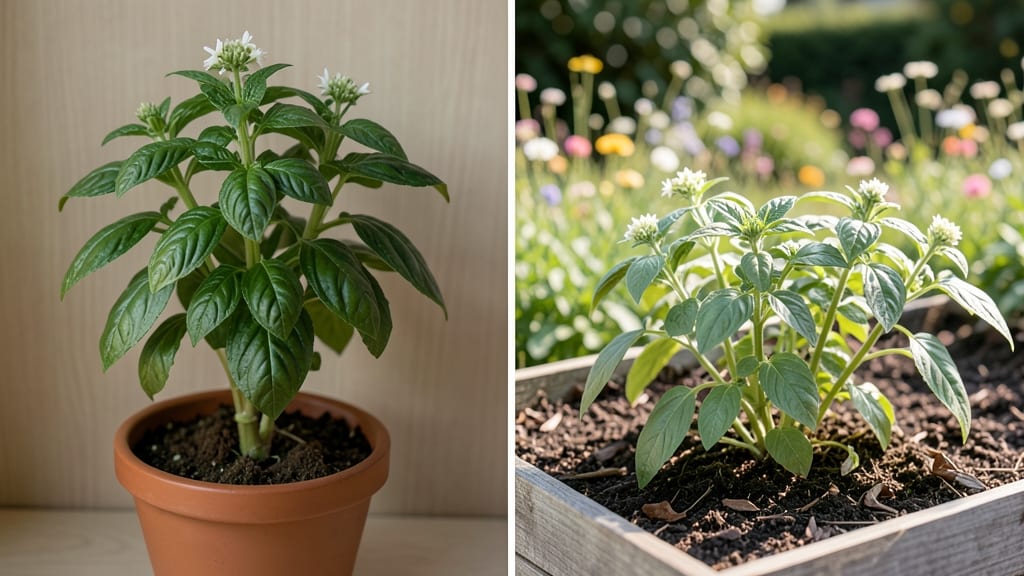
Ever looked at your basil plant and wondered how tall a basil plant can grow—whether it’s a tiny pesto starter or a wild 3-foot bush? The answer lies in how you grow it—and the variety you choose.
Basil’s height can swing wildly from just 6 inches to towering 2.5 feet, all depending on genetics, sunlight, and your pruning habits.
If you’re growing basil for fresh pesto, compact varieties like Genovese stay manageable, while bush types like Thai or Purple basil can shoot up fast. The key to controlling its height? Pruning at the right time and giving it the perfect balance of sun and space.
Let’s break down how to steer your basil’s growth toward your gardening goals—whether that’s a neat container plant or a lush, leafy bush.
You might think taller basil is always better, but that’s not the case. Overgrown plants can become leggy and less flavorful, while properly managed ones produce more leaves and last longer.
With the right techniques, you can keep your basil at your ideal height—no matter if you’re harvesting for pesto or letting it grow wild in the garden.
Ready to take control? I’ll show you exactly how to prune, stake, and care for your 🌿 basil so it stays the perfect size—whether you want it short for containers or tall for a bold harvest. Let’s get started!


Basil growth heights by variety: pesto vs. bush types explained
If you’ve ever grown basil and noticed dramatic differences in height between plants, the variety is usually the culprit. Some basil types are bred to stay compact—ideal for pesto—while others grow tall and bushy, perfect for garden borders or pest-repellent hedges.
Understanding these differences helps you choose the right type for your container garden or in-ground plot.
The Genovese basil, the classic pesto variety, typically stays between 12 to 18 inches tall when pruned regularly.
Meanwhile, Thai basil can reach 2 to 3 feet, with long, slender leaves and a distinctive anise flavor. Purple basil and Spicy Globe basil often grow taller, too, with some varieties exceeding 3 feet in ideal conditions.
Genetics play a huge role in basil height. Dwarf varieties like Mini Basil or Spicy Bush Basil are bred to stay under 12 inches, making them perfect for windowsills or small pots.
In contrast, bush basil varieties like Sweet Basil or Lemon Basil can grow 2 to 3 feet tall if left unpruned, creating a lush, leafy hedge.
Here’s how to match your gardening goals to the right basil variety:
| Variety | Height Range | Best For | Notes |
|---|---|---|---|
| Genovese Basil | 12–18 in | Pesto, containers | Prune frequently for compact growth |
| Thai Basil | 2–3 ft | Asian dishes, borders | Longer leaves, anise flavor |
| Purple Basil | 1.5–2.5 ft | Decorative, pest control | Purple leaves, drought-tolerant |
| Spicy Globe Basil | 1–2 ft | Containers, bushy growth | Heat-tolerant, spicy kick |
| Dwarf Basil | 6–12 in | Windowsills, small pots | Minimal pruning needed |
Sunlight exposure directly impacts basil height. Plants grown in full sun (6+ hours daily) tend to reach their maximum height faster, while those in partial shade may stay shorter but produce fewer leaves.
If you’re growing basil in a container, choose a dwarf variety to save space, but be prepared to prune regularly to prevent legginess.
Soil quality also plays a role. Basil thrives in well-draining, nutrient-rich soil with a pH between 6.0 and 7.0. Over-fertilizing can lead to rapid, leggy growth, while under-fertilizing may stunt height. A balanced 10-10-10 fertilizer applied every 4-6 weeks keeps growth steady without sacrificing leaf quality.
Pruning habits can adjust height dramatically. If you want a compact pesto plant, pinch off the top sets of leaves when the plant reaches 6 inches tall. This encourages bushier growth and prevents the plant from bolting (flowering prematurely).
For taller bush varieties, minimal pruning lets the plant grow to its full height, often 2 to 3 feet, while still producing abundant leaves.
Climate matters too. In warmer climates (Zones 8-11), basil grows taller and faster due to longer growing seasons. In cooler regions (Zones 6-7), basil may stay shorter unless you extend the season with row covers or greenhouses.
Always plant after the last frost date when soil temperatures reach 50°F or higher.
Whether you’re aiming for a 6-inch pesto plant or a 3-foot bush, choosing the right variety and adjusting care techniques gives you control over basil height. Next, we’ll explore 5 proven techniques to naturally limit or encourage growth based on your gardening goals.
5 Proven techniques to control basil plant height naturally
Controlling your basil’s height isn’t about stunting its growth—it’s about guiding it to match your gardening goals. Whether you want a compact pesto plant or a bushy harvest machine, these techniques work without chemicals.
Start with pruning and container choices, then adjust based on your basil’s variety and season.
First, pinch back the top set of leaves when your basil reaches 6 inches tall. This forces energy into leaf production instead of height. Repeat every 2-3 weeks to keep it bushy.
For Genovese basil, aim for 12-18 inches—perfect for pots. If you see flower buds, snip them immediately to prevent bolting (when the plant sends up a tall stalk and tastes bitter).
Container size is your secret weapon. A 5-gallon pot limits roots, naturally dwarfing the plant to 12-18 inches. Use well-draining soil mixed with compost to encourage healthy growth without excess height. For Thai basil, which grows taller, choose a slightly larger container (7+ gallons) to balance its natural 2-3 foot reach.
Remove top leaves when plant hits 6 inches to encourage bushiness. Repeat every 2-3 weeks.
5-gallon pots limit root growth, keeping basil 12-18 inches tall. Thai basil needs 7+ gallons.
Snip flower buds to prevent bolting (tall, bitter stalks). Focus on leaf production.
Use bamboo stakes for Thai or Purple basil to support height without sprawling.
Use low-nitrogen fertilizer (5-5-5) to limit rapid growth. Over-fertilizing = taller, leggier plants.
For Spicy Globe basil, which naturally stays 12-18 inches, focus on regular pruning to maintain its rounded shape. If you’re growing in ground beds, mulch around the base to keep soil cool and slow vertical growth.
In summer heat, shade cloth (30-50%) can reduce legginess by 20-30%.
Remember: Taller basil isn’t always worse. Bush varieties like Thai basil produce more leaves over time, and their height can deter pests like aphids. The key is balancing your harvest needs with growth control. Start with these techniques, and you’ll have basil that fits your space—and your recipes—perfectly.