
Plants
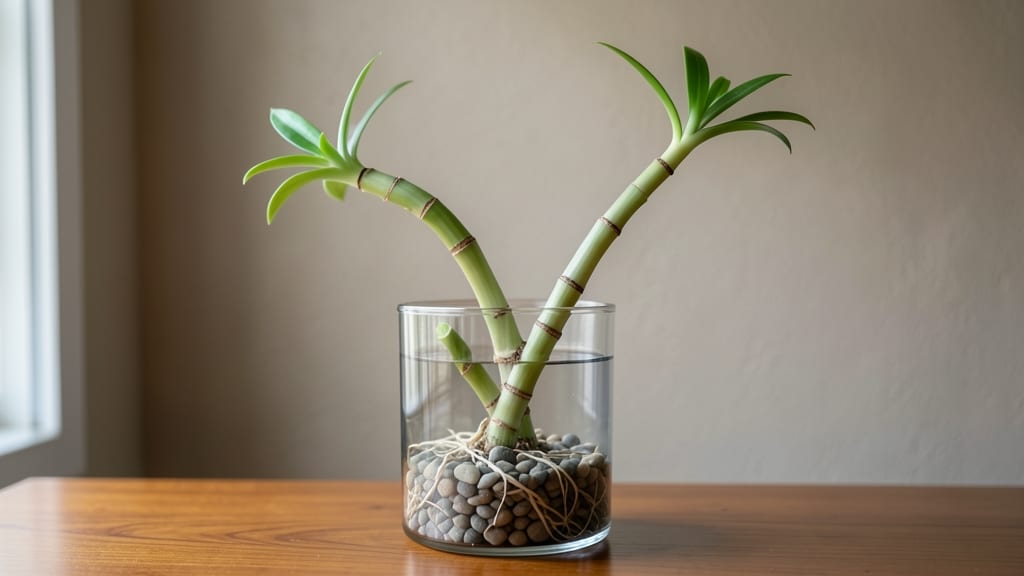
If you’ve ever wondered how tall this lucky bamboo plant can grow, the answer might surprise you—especially when you compare indoor pots to outdoor conditions. What starts as a modest houseplant can stretch into a towering accent piece with the right care, but most people never reach its full potential.
Whether you’re working with limited space or dreaming of a lush vertical statement, understanding the growth limits is the first step to getting exactly what you want.
The truth is, indoor Lucky Bamboo typically tops out between 1 and 5 feet, depending on how much light and space you give it. But move it outside, and suddenly you’re looking at a 6-foot (or taller!) plant that thrives in warmer climates.
The difference comes down to sunlight, water, and container size—factors you can easily control to shape your plant’s height. Let’s break down how to maximize (or limit) its growth without sacrificing its health.
You don’t need a green thumb to encourage your Lucky Bamboo to reach its height goals—just a few simple adjustments. From choosing the right pot size to mastering pruning techniques, I’ll show you exactly how to guide its growth.
Whether you’re aiming for a compact desk companion or a dramatic outdoor statement, these tips will help you get the results you’re after without the guesswork.
Ready to transform your Lucky Bamboo from a modest houseplant into a showstopper? Let’s dive into the secrets behind its growth limits and how you can shape it to fit your space—indoors or out. The best part? You’ll only need 5 minutes to adjust your care routine for dramatic results.


Indoor lucky bamboo growth limits: how tall can it get inside?
If you’re growing lucky bamboo indoors, you’re likely working with a compact, slow-growing version compared to its outdoor cousins. Under ideal conditions, your indoor lucky bamboo can reach 1 to 5 feet tall, but most stay between 12 to 36 inches depending on care.
The key to controlling height lies in light exposure, container size, and water quality—not just genetics.
Many beginners assume their lucky bamboo will grow tall quickly, only to be surprised when it plateaus at 18 inches after months. This happens because indoor environments lack the sunlight intensity and space needed for rapid vertical growth.
Even in bright rooms, low light conditions (like east-facing windows) can stunt growth to just 6 to 12 inches over a year.
Your plant’s container size plays a huge role too. A small vase or tight pot forces roots to circle, limiting height gains. Meanwhile, a larger container (like a 12-inch bowl) encourages taller growth by giving roots room to spread.
Think of it like training wheels—restrict the roots, restrict the height.
Here’s the hard truth: Without proper care, your indoor lucky bamboo might never exceed 2 feet. But with the right light, water, and container setup, you can push it to 4 or even 5 feet—perfect for a statement piece on a bookshelf or desk.
🌱
| Factor | Indoor Height Impact | Pro Tip |
|---|---|---|
| Light Exposure | Bright indirect: 3-5 ft | Low light: 1-2 ft | Rotate plant weekly for even growth |
| Container Size | Small pot: 1-2 ft | Large bowl: 4-5 ft | Use a 12"+ container for taller growth |
| Water Quality | Distilled/filtered: Consistent growth | Tap water: Stunted or brown tips | Flush roots monthly with fresh water |
| Pruning | Regular trims: Compact shape | No pruning: Taller but leggy | Trim leggy stems to encourage bushiness |
One of the biggest misconceptions about indoor lucky bamboo is that it grows at the same rate as outdoor varieties. In reality, outdoor plants can grow 3x faster due to natural sunlight and larger root zones. Indoors, you’re limited by artificial lighting and space constraints, so patience is key.
If you’re aiming for a taller indoor plant, focus on maximizing indirect light (a grow light can help) and using a larger container. But if you prefer a compact, desk-friendly size, keep it in a smaller vase and prune regularly.
The beauty of lucky bamboo is its versatility—you control the height!
For fastest growth, place your plant near a north-facing window (avoid harsh afternoon sun) and use room-temperature distilled water. Skipping these steps can leave your plant stunted or stressed, so consistency is everything.
🪴
Pro tip: If your lucky bamboo starts to leggy or sparse, it’s a sign it needs more light or a haircut. A simple trim above a leaf node encourages new growth, keeping your plant full and healthy while controlling height.
Just avoid cutting more than 1/3 of the plant at once.
Remember, lucky bamboo doesn’t need soil—it thrives in water, making it one of the easiest plants to manage indoors. With the right care, your indoor lucky bamboo can become a living centerpiece that grows just as you envision.
Outdoor lucky bamboo growth: when it becomes a towering plant
When lucky bamboo (Dracaena sanderiana) escapes indoors and thrives outdoors, its growth skyrockets—often reaching heights of 6 to 12 feet or more under ideal conditions. The key difference? Outdoor plants bask in natural sunlight, access deeper soil nutrients, and enjoy consistent humidity levels that indoor setups can’t match.
In tropical climates, lucky bamboo can even grow 2 feet per year with proper care.
Sunlight is the game-changer here. While indoor plants thrive in bright indirect light, outdoor lucky bamboo craves 6+ hours of filtered sunlight daily. Direct midday sun can scorch leaves, but morning light paired with afternoon shade creates perfect growth conditions.
Urban gardens with partial shade can still yield 4-6 foot plants, while tropical environments push them toward 10+ feet over time.
Container size also plays a role. In large garden pots or in-ground plantings, lucky bamboo’s roots spread freely, fueling rapid vertical growth. Smaller containers restrict height to 3-5 feet, but the plant will eventually outgrow them.
If you’re aiming for a tall specimen, bury the container slightly or plant directly in the ground to encourage deeper root development.
Watering needs shift outdoors too. While indoor plants prefer weekly deep soaks, outdoor lucky bamboo may need watering every 3-5 days during dry spells. Rainfall reduces your workload, but always check soil moisture—lucky bamboo hates soggy roots. Mulching around the base retains moisture and mimics its natural tropical habitat.
Climate matters more outdoors than indoors. In USDA Zones 9-11, lucky bamboo thrives year-round, growing continuously. In cooler zones (like Zone 8), it may slow or go dormant in winter, resuming growth in spring.
If frost threatens, bring potted plants indoors or protect them with frost cloth to preserve height gains.
Here’s the real surprise: lucky bamboo’s outdoor growth isn’t just taller—it’s thicker and bushier too. With more space, it develops multiple stems and lush foliage. Pruning becomes essential to shape it, but even unpruned plants can reach 15 feet in ideal conditions.
That’s why many gardeners treat it as both a fast-growing screen and a dramatic vertical accent.
| Factor | Indoor Growth | Outdoor Growth |
|---|---|---|
| Height Range | 1–5 ft | 6–12+ ft |
| Sunlight Needs | Bright indirect | 6+ hrs filtered sun |
| Growth Rate | 6–12 in/year | 2+ ft/year |
| Watering | Weekly deep soak | Every 3–5 days (adjust for rain) |
| Best Climate | Any (indoor) | Zones 9–11 (tropical) |
If you’re growing lucky bamboo outdoors, embrace its potential as a living privacy screen or dramatic garden focal point. With the right conditions, it can outpace even bamboo—without the invasive roots!
Just remember: the taller it grows, the more pruning you’ll need to maintain its shape. Start small with a 3-foot pot if you’re unsure, then upgrade as it matures.
🌿