
Companion Plants
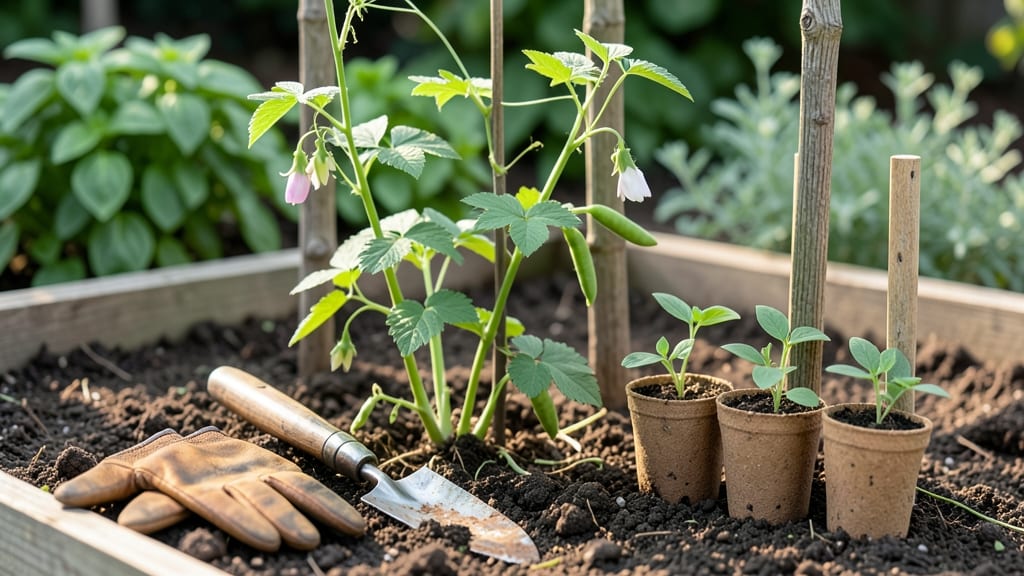
If you're eager to get your garden growing, planting peas in Zone 6 might just be the game-changer you need—these cold-hardy 🌱 stars can hit the soil weeks before most other veggies!
The key is timing: too early, and frost will nip your progress; too late, and you’ll miss the sweetest harvest window. But with the right approach, you could be enjoying fresh peas by May, beating the heat and pests that come later in the season.
Most gardeners in Zone 6 plant peas in early spring, as soon as the soil is workable—usually between March and April, before the last frost date. But did you know you can also sneak in a late-summer crop?
August plantings often yield a second harvest just before fall frost, giving you a double dose of these crunchy delights. The trick is choosing varieties that mature quickly and thrive in cooler temperatures.
Why does timing matter so much? Peas are finicky about heat—they bolt (flower prematurely) when temperatures creep above 75°F. By planting early, you avoid this pitfall and ensure tender, flavorful pods. Plus, peas fix nitrogen in the soil, making them a more efficient crop than many others.
Whether you're a beginner or a seasoned gardener, mastering the right window will set you up for success.
Ready to dive in? I’ll walk you through the exact weeks to plant, the best cold-resistant varieties for Zone 6, and pro tips to stretch your harvest season. Let’s get those peas growing—your taste buds will thank you!
Zone 6 pea planting timeline: exact weeks before/after last frost
In Zone 6, where last frost typically arrives around mid-April, timing your pea planting is critical. These cold-hardy plants can handle light frosts, but soil temperatures below 40°F slow germination. Aim to plant 4-6 weeks before your last frost date for the earliest harvests.
For most of Zone 6, that means starting seeds indoors by late February or sowing directly in the garden by early March. If you miss this window, don’t despair—peas can also be planted in late summer (August) for a fall harvest before frost.
Here’s the key: Soil temperature matters more than air temperature. Peas germinate best when soil stays above 40°F. Use a soil thermometer to confirm—if it’s colder, wait or use row covers to warm the soil faster.
🌱 Pro Tip: In Zone 6, early-maturing varieties like 'Green Arrow' (55 days) or 'Lincoln' (60 days) give you the best chance to beat bolting before summer heat arrives.
| Planting Window | Zone 6 Timeline | Soil Temp Requirement | Best Varieties |
|---|---|---|---|
| Early Spring (Direct Sow) | Late February - Early March | Above 40°F | 'Green Arrow,' 'Lincoln' |
| Mid-Spring (Indoor Start) | Late February (indoors), transplant by March 15 | Above 45°F for transplanting | 'Wando,' 'Sugar Snap' |
| Late Summer (Fall Harvest) | Late August - Early September | Above 50°F | 'Oregon Sugar Pod,' 'Tom Thumb' |
| Last Chance | September 15 (max) | Above 45°F | Fast-maturing: 'Little Marvel' |
If you plant too early in Zone 6, peas may rot in cold, wet soil. If you wait too long, summer heat causes them to bolt prematurely. The 4-6 week window before last frost strikes the perfect balance for most varieties.
For a continuous harvest, try succession planting: Sow a new row every 2 weeks until mid-April. This ensures fresh peas while the first batch matures.
🌿 Warning: Avoid planting peas where beans or tomatoes grew last year—these plants share diseases. Rotate crops to keep your pea patch healthy.
In Zone 6, your last frost date isn’t just a guideline—it’s your deadline. Use it to calculate backward: 60 days to maturity minus your frost date equals your planting window. For example, if frost hits April 15, plant by February 15 for a May harvest.
💡 Bonus: Test soil moisture before planting. Peas need consistent moisture to germinate. If your soil feels dry, water it 24 hours before sowing to kickstart growth.
Zone 6 pea planting timeline: exact weeks before/after last frost
In Zone 6, where average last frost dates fall around mid-April, timing your pea planting is crucial. These cold-hardy crops can handle light frosts, but planting too early risks poor germination in cold, wet soil.
Aim to sow seeds 4-6 weeks before your last frost date—typically early March to mid-April—for the earliest harvests.
Peas thrive in cool soil temperatures (40-85°F), making them perfect for early spring planting. If your soil is still frozen or waterlogged in early March, wait until temperatures stabilize.
For extended harvests, consider a second planting in late summer (August), allowing peas to mature before the first frost in mid-October.
| Planting Window | Soil Temp | Best Varieties | Harvest Time |
|---|---|---|---|
| Early March | 40-50°F | Green Arrow, Lincoln | Late May |
| Mid-April | 50-60°F | Wando, Sugar Snap | Early June |
| Late August | 60-70°F | Oregon Sugar Pod | September-October |
For successive harvests, stagger plantings every 2 weeks in spring. This ensures a steady supply of fresh peas. If you’re unsure about frost dates, use a planting calendar or check your local USDA frost maps.
In Zone 6, late-spring frosts can still occur, so have row covers ready to protect tender plants.
Peas planted in late summer (August) benefit from cooler fall temperatures. These fall crops often produce sweeter peas since they avoid the heat stress of mid-summer planting. Just ensure your soil remains moist but well-draining—peas hate soggy roots.
If you miss the spring window, don’t despair! Some cold-tolerant varieties, like 'Oregon Sugar Pod', can even handle light frosts after planting. For best results, aim to have peas in the ground by early April—this gives them enough time to mature before summer heat sets in.
Remember, peas are fast growers (50-75 days to harvest), so even late plantings can yield a crop. Just monitor your garden closely and harvest regularly to encourage more production. With the right timing, you’ll enjoy fresh peas for weeks!