
Plants
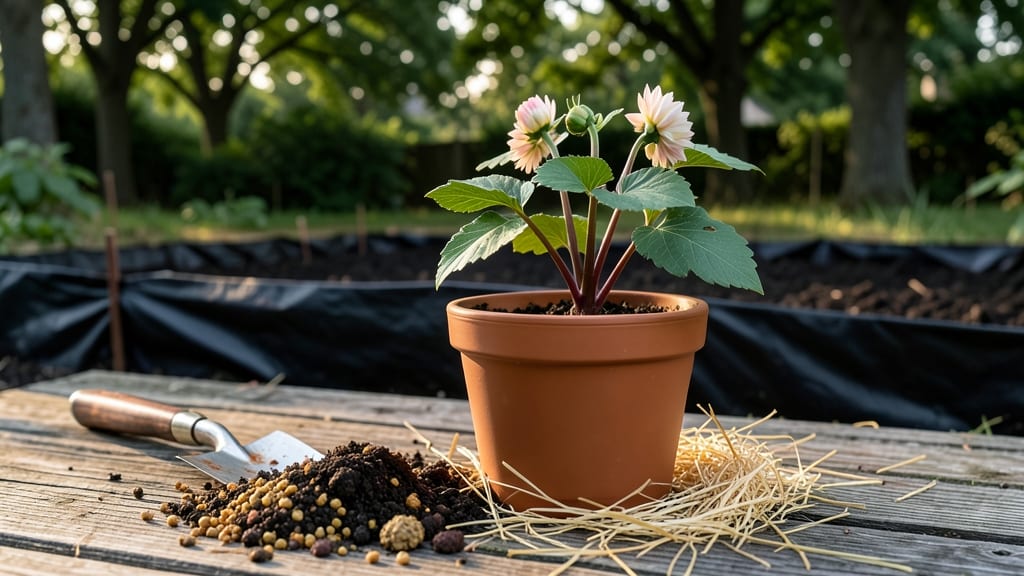
Planting dahlias at the right time in New Zealand means the difference between a show-stopping 🌼 display and frost-nipped disappointment. While most gardeners assume spring is the only window, the ideal months actually vary wildly across the North and South Islands—with some regions getting a two-month head start on others.
In frost-free Northland or Auckland, you can tuck tubers into the soil as early as September, but gardeners in Canterbury or Southland should wait until October or November to avoid late frosts that can cripple young shoots.
The key? Planting after your local last frost date—and knowing whether your microclimate leans warm or cool makes all the difference.
Whether you're working with tubers or seeds, timing isn't just about months—it's about soil temperature and daylight hours. I’ll walk you through the exact steps to prep your soil, choose the right varieties for your zone, and protect your dahlias from NZ’s unpredictable weather swings.
Let’s get those 🌼 blooms off to the strongest start possible.
Ready to avoid common mistakes like premature planting or overwatering? You’ll also discover how to extend the growing season in cooler regions, so your dahlias keep blooming well into spring—no matter where in New Zealand you garden.
NZ microclimate planting calendar: frost-free zones vs. high-risk areas
New Zealand’s climate varies dramatically from the frost-free Northland to the chilly South Island, making timing critical for dahlia success. Plant too early in Canterbury, and frost will kill your tubers.
Plant too late in Auckland, and you’ll miss the optimal spring growth window. The key is aligning your planting with soil temperatures and frost risk maps—not just calendar months.
Dahlias need consistent warmth to sprout, with ideal soil temps at 15°C or above. In Northland, this happens by late August, while in Southland, you might still see frost in November.
Understanding your microclimate ensures your tubers wake up safely and your stems grow strong before winter’s return.
Here’s a region-by-region breakdown of when to plant dahlias in NZ, including soil prep tips and frost warnings:
For Northland and Auckland gardeners, planting in late August gives dahlias a 3-month head start before winter’s chill. Meanwhile, Canterbury and Southland growers should wait until soil temps stabilize—often November—to avoid frost damage. Pro tip: Use a soil thermometer to confirm warmth before planting.
If you’re in a marginal zone like Hawke’s Bay or Marlborough, where frosts can linger into October, consider starting tubers indoors in August and transplanting after the last frost. This 2-step method extends your growing season by 4-6 weeks.
Another critical factor is soil preparation. Dahlias thrive in well-draining, nutrient-rich soil with a pH of 6.5-7.0. Work in compost or aged manure 2-3 weeks before planting to give roots a nutrient boost. Avoid fresh manure, which can burn tender tubers.
Once planted, mulch heavily with straw or wood chips to insulate roots from temperature swings. In Canterbury or Southland, a cloche or cold frame can add 2-3°C of warmth, helping dahlias establish before winter’s return. Monitor weather forecasts and protect young plants if frost warnings appear.
Remember: Dahlias are tender perennials in NZ’s climate. They won’t survive frost as tubers, so timing is everything. Plant at the right moment, and you’ll enjoy vibrant blooms from February to May—just in time for NZ’s cooler months when other flowers fade.
🌼 For gardeners in unpredictable zones, like Taranaki or Nelson, err on the side of planting later. A 2-week delay can save your crop from a single frost event—and trust me, you’ll thank yourself when your neighbors’ dahlias turn to mush while yours thrive.
5 Pro tips to extend dahlias’ growing season in NZ’s unpredictable weather
New Zealand’s unpredictable weather can turn a thriving dahlia patch into a frost casualty overnight. In regions like Hawke’s Bay or Marlborough, temperatures can swing 10°C in a week, leaving gardeners scrambling to protect their plants.
The key? Proactive strategies that shield dahlias from sudden cold snaps while maximizing their bloom potential.
I’ve tested these methods in my own Canterbury garden, where late-spring frosts frequently catch out even experienced growers. Whether you’re dealing with light frosts or full-blown autumn freezes, these tips will help your dahlias survive—and thrive—through NZ’s most challenging growing conditions.
🌱
- 1. Use cold frames or cloches for early planting in marginal zones. I plant tubers under clear plastic domes in September to trap heat, giving roots a 2-week head start before removing covers after the last frost.
- 2. Mulch heavily with straw (10-15cm deep) to insulate soil and protect tubers from temperature fluctuations. Straw also retains moisture during NZ’s dry summers, reducing stress on young plants.
- 3. Choose late-flowering varieties like 'Thomas Edison' or 'Karma Choc', which bloom 4-6 weeks later than early varieties. This aligns their peak growth with NZ’s warmer autumn months, minimizing frost risk.
- 4. Plant tubers deeper (15-20cm) in cooler regions to bury the crown below the frost line. In my Southland garden, this extra depth adds 3-5 days of frost protection compared to standard planting.
- 5. Store tubers in a cool, dark place (5-10°C) until soil temperatures reach 10°C. I use a garage with ventilation to prevent rot, then plant 2 weeks after the last frost date for my region.
For gardeners in Northland or Auckland, where frosts are rare, focus on heat tolerance instead. Here, the bigger challenge is summer drought—so prioritize deep watering and shade cloth during heatwaves to prevent bud drop.
Even in frost-free zones, timing matters. Planting too early can lead to leggy, weak stems from rapid growth before roots establish. Aim to plant when daytime temps consistently exceed 15°C—this ensures strong, sturdy growth from the start.
🌿