
Plants
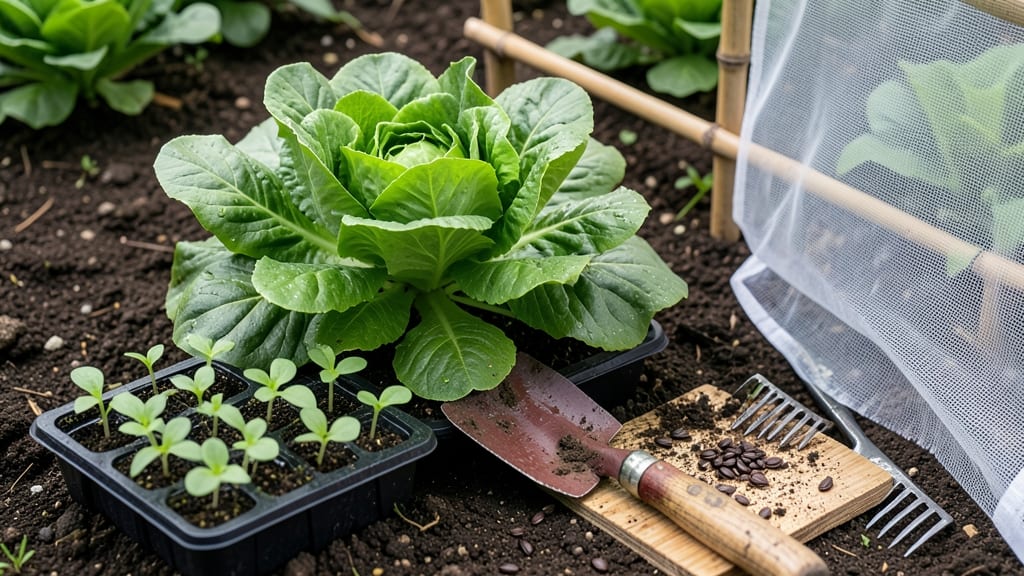
Planting lettuce in Georgia at the right time means the difference between crisp, homegrown salads and bitter, bolted disappointment. With USDA zones 7b-8b offering two prime windows—spring and fall—you’ll want to time your 🥬 harvests perfectly to avoid heat stress or frost damage.
Most gardeners in Georgia focus on spring planting, but fall offers another chance for success. The key is knowing when to sow seeds so lettuce matures before summer’s relentless heat or winter’s first frost.
For example, in Atlanta’s 7a zone, you’ve got just 4-6 weeks to grow lettuce before temperatures climb past its comfort zone.
In this guide, I’ll break down the exact planting schedules for your microclimate—whether you’re in the cooler mountains or the warmer coastal plains. You’ll learn how to stretch your harvests with shade tricks, succession planting, and heat-tolerant varieties that actually thrive in Georgia’s summer.
Ready to grow lettuce that stays crisp and delicious all season? Let’s dive into the timing secrets that’ll transform your garden from hit-or-miss to consistently rewarding.
Georgia lettuce planting deadlines by USDA Zone (avoid bolting & frost)
Georgia’s diverse microclimates mean USDA Zones 7a-8b can grow lettuce year-round, but timing is critical. In Zone 7a (Atlanta), last frosts average March 15, while Zone 8a (Savannah) sees frost-free winters.
Plant too early, and 32°F nights will blacken your greens; too late, and 85°F+ days trigger bolting (flowering). Here’s your zone-by-zone planting calendar to maximize crisp, sweet harvests.
For spring lettuce, aim to plant 4-6 weeks before your last frost date. In Zone 7b (Athens), that’s mid-February to early March. Fall lettuce needs 8-10 weeks before first frost—so late August to early September in most of Georgia.
Coastal areas like Brunswick (Zone 8b) can extend fall plantings into October thanks to milder winters.
| Zone & Location | Last Frost Date | Spring Planting Window | Fall Planting Window | Heat-Tolerant Varieties |
|---|---|---|---|---|
| 7a (Atlanta, Gainesville) | March 15 | Feb 15–Mar 1 | Aug 15–Sep 1 | ‘Black Seeded Simpson’, ‘Jericho’ |
| 7b (Athens, Macon) | March 1 | Feb 1–Feb 20 | Aug 1–Aug 15 | ‘Romaine’, ‘Winter Density’ |
| 8a (Savannah, Brunswick) | Jan 1 (rare) | Jan 15–Feb 10 | Sep 1–Oct 1 | ‘Oakleaf’, ‘Summer Crisp’ |
| 8b (Coastal GA) | Dec 1 (rare) | Jan 1–Jan 20 | Sep 15–Nov 1 | ‘Buttercrunch’, ‘Parris Island’ |
Pro tip: Use row covers to push spring plantings 2-3 weeks earlier in cooler zones like Zone 7a. These lightweight fabrics shield seedlings from 28°F nights while allowing sunlight. For fall plantings, prioritize heat-tolerant varieties like ‘Black Seeded Simpson’—they handle 90°F days better than butterhead types.
In Zone 7a (Atlanta), I’ve had success with succession planting every 2 weeks from March to May.
This ensures a steady supply of baby lettuce for salads while mature heads are ready by June. Leaf lettuce varieties like ‘Salad Bowl’ bolt faster in heat, so harvest them 30-40 days after sowing—before they reach 75°F soil temps.
For coastal Georgia (Zone 8a/8b), focus on fall and winter harvests. Plant ‘Winter Density’ romaine in September for crisp leaves through December. Mulch with straw to insulate roots during rare cold snaps.
In Savannah, I’ve grown lettuce year-round by using shade cloth (30%) in summer to keep soil temps below 80°F.
Watch for false spring in March—warm days followed by 25°F nights can kill tender seedlings. Harden off transplants by gradually reducing shade over 7-10 days before setting them in the ground. Direct sowing (planting seeds outdoors) is best for leaf lettuce; use transplants for head varieties like romaine.
In North Georgia (Zone 7a), I’ve lost entire lettuce beds to late-March frosts. To avoid this, use cold frames or plant under
How to extend lettuce harvests in Georgia’s heat (succession planting & shade hacks)
Georgia’s summer heat (often hitting 90°F+) can turn your crisp lettuce into sad, wilted leaves faster than you can say "salad." But with the right strategies, you can keep harvesting fresh greens all season long.
The key? Succession planting and smart shade solutions to beat the heat. Let’s break down how to keep your lettuce thriving when the thermometer climbs.
Start by choosing heat-tolerant varieties like ‘Black Seeded Simpson’ or ‘Jericho’, which can handle warmer temperatures better than traditional types. These varieties are your best bet for summer harvests, as they won’t bolt as quickly when exposed to heat.
Pair them with drip irrigation to keep soil moisture consistent without wetting the leaves, which can invite fungal diseases.
Here’s how to maximize your harvests with staggered planting and shade solutions:
For succession planting, aim to sow new seeds every 3-4 weeks during the growing season. This ensures you always have young, tender lettuce coming in while older plants are ready for harvest.
For example, if you plant your first batch in early March, follow up with batches in mid-March, late March, and early April to keep the cycle going.
If you’re dealing with extreme heat waves (above 95°F), consider temporarily moving potted lettuce to a cooler, shaded area like a garage or basement with indirect light.
This can buy you time until temperatures drop. Pair this with mulching (using straw or shredded leaves) to retain soil moisture and keep roots cool.
With these techniques, you can enjoy crisp, homegrown lettuce well into Georgia’s fall—even when the mercury rises. The secret? Stay proactive with planting, shading, and watering to outsmart the heat. Happy gardening! 🌱