
Plants
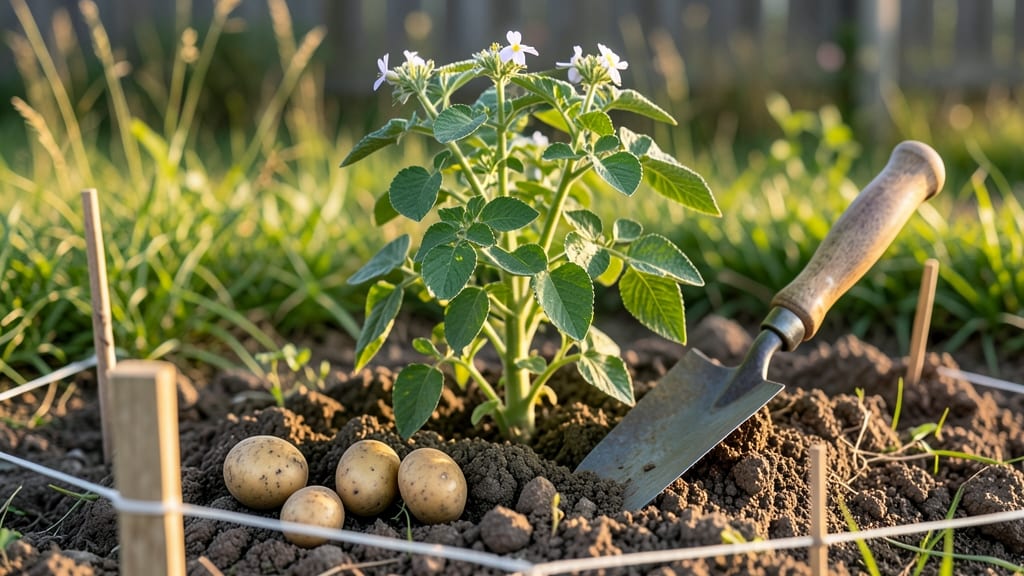
Planting potatoes in Mississippi at the wrong time can turn your garden dreams into a soggy, blight-ridden mess—so timing isn’t just important, it’s everything for a healthy harvest.
With the state’s humid subtropical climate and unpredictable frosts, knowing exactly when to stick those 🥔 in the ground makes the difference between a bumper crop and a sad, wilted failure.
If you’ve ever wondered why your neighbor’s potatoes thrive while yours struggle, the answer likely lies in the calendar. Mississippi’s 8a zone gives you a narrow window—typically between early March and mid-April—to plant seed potatoes for that perfect balance of warmth and moisture.
But here’s the catch: get it wrong, and you’re either battling frost or inviting fungal diseases that love the heat and humidity.
What if you could skip the guesswork and plant with confidence? I’ll break down the exact months to start your potatoes, whether you’re in the Delta’s cooler pockets or the Gulf Coast’s warmer stretch.
Plus, I’ll share pro tips for adjusting your schedule if you’re dealing with late frosts or early heatwaves—because Mississippi’s weather doesn’t play by the rules.
Ready to grow potatoes that outshine your neighbors’? Let’s dive into the climate-smart planting schedule that’ll give you zero-frost success and a harvest to brag about.
Mississippi potato planting calendar: best months by last frost date
Timing your potato planting in Mississippi is critical—get it wrong, and you risk blight, rot, or stunted tubers. The state’s humid subtropical climate (USDA Zone 7b-8b) means soil temperatures and frost dates vary dramatically between North and South Mississippi.
For most regions, the last frost date falls around March 15, but microclimates near the Gulf Coast may see earlier warm-ups.
In Mississippi, potatoes thrive when planted 4-6 weeks before the last frost. This window typically lands in late February to early March for most gardeners. However, if you’re in the Delta region (e.g., Greenville, Vicksburg), cooler springs may push planting back to early April.
Conversely, the Gulf Coast (e.g., Biloxi, Gulfport) can start as early as mid-February in protected microclimates.
For a second harvest, some gardeners attempt fall planting (late August to early September), but Mississippi’s high humidity and late-season blight risks make this a gamble. Only fast-maturing varieties (like ‘Yukon Gold’) succeed in this window.
🌱
| Region | Last Frost Date | Optimal Planting Window | Soil Temp Goal (°F) | Notes |
|---|---|---|---|---|
| North Mississippi (Tupelo, Oxford) | March 15–20 | Late Feb–Early March | 45–50°F | Cooler springs; use black plastic mulch. |
| Central Mississippi (Jackson, Starkville) | March 1–10 | Early Feb–Early March | 45–50°F | Moderate humidity; watch for early blight. |
| South Mississippi (Biloxi, Gulfport) | February 15–March 1 | Mid-Feb–Late Feb | 50–55°F | Warmer microclimates; risk of early heat stress. |
| Mississippi Delta (Greenville, Vicksburg) | March 20–April 1 | Early March–Early April | 40–45°F | Late frosts; plant in raised beds for warmth. |
To extend your growing season, consider container planting. Seed potatoes in 5-gallon buckets or fabric grow bags as early as January and move them outdoors when soil warms. This trick works especially well in North Mississippi, where frosts linger longer.
Always check soil temperature before planting—potatoes need 45–50°F soil to sprout consistently. Use a soil thermometer to avoid planting too early, which can lead to waterlogged tubers or damping-off disease.
For fall planting, limit attempts to late August in North Mississippi or early September in the South. Use disease-resistant varieties like ‘Red LaSoda’ and monitor for late blight (common in Mississippi’s humidity).
🌡️
Pro tip: If your last frost date is later than average, opt for early-maturing varieties (e.g., ‘Early Girl’ or ‘Kennebec’) to avoid summer heat stress. These varieties reach harvest in 90 days, giving you a June harvest even with a late start.
Mississippi’s climate rewards attention to detail. By aligning your planting schedule with local frost dates, soil temperatures, and regional microclimates, you’ll maximize your chances of a healthy, blight-free potato crop.
Mississippi potato planting calendar: best months by last frost date
Mississippi’s last frost date typically falls between March 15 and April 1, depending on your region—with the Delta experiencing frost later than the Gulf Coast. For spring planting, aim to get seed potatoes in the ground 4-6 weeks before your area’s last frost date.
This usually means mid-February to early March for most of the state.
In USDA Zone 8a, where Mississippi falls, early varieties like ‘Yukon Gold’ can be planted as soon as soil temperatures reach 45°F. Warmer southern regions may start even earlier, while cooler northern areas should wait until late March to avoid frost damage to emerging sprouts.
| Region | Last Frost Date | Optimal Planting Window | Soil Temp Requirement |
|---|---|---|---|
| North Mississippi (Delta) | March 20–April 1 | Late February–Early March | 45°F+ |
| Central Mississippi | March 15–March 25 | Mid-February–Late March | 45°F+ |
| South Mississippi (Gulf Coast) | March 1–March 15 | Early February–Mid-March | 45°F+ |
Note: Adjust for microclimates like elevated areas or low-lying zones.
For a second crop, Mississippi gardeners can plant late-season varieties like ‘Red LaSoda’ in late summer (August) for a fall harvest. However, this requires careful blight monitoring due to Mississippi’s high humidity. Always choose disease-resistant varieties for extended growing seasons.
If you’re unsure about your last frost date, check the Mississippi State University Extension Service or use a frost calendar for your specific county. Planting too early risks frost damage, while waiting too long may lead to overcrowded tubers or heat stress before harvest.
Pro tip: Use black plastic mulch to warm soil faster in early spring, or plant in containers to start 4-6 weeks earlier than outdoor planting dates. This is especially useful in cooler Delta regions where frost lingers longer.