
Plants
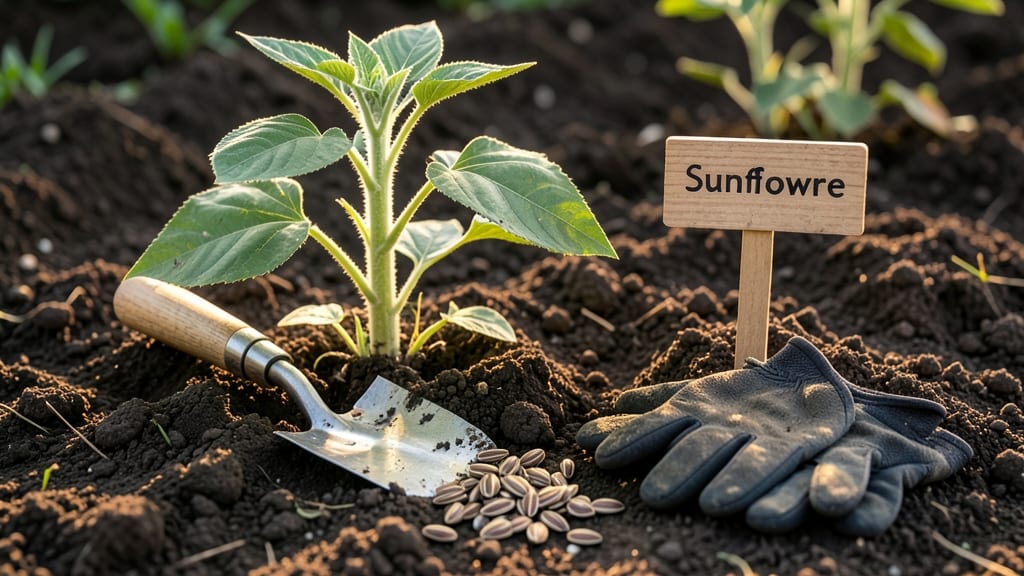
Planting sunflower seeds in Ohio isn’t just about dropping them in the dirt—it’s about catching that perfect window between frost and summer’s heat to unlock 10-foot-tall stalks that turn heads (and bird feeders).
With Ohio’s USDA zones 6a-6b and unpredictable spring weather, timing is the difference between scraggly plants and showstopping giants like the Mammoth Russian variety.
Most gardeners in Ohio swear by waiting until mid-April to late June, but here’s the catch: soil temperature matters more than the calendar. Seeds need at least 50°F soil to germinate, and planting too early risks frost damage while waiting too long cuts your growing season short.
I’ll break down the exact weeks before your last frost date—and how to stretch that window for maximum height.
You’ll also discover why succession planting in May and June can double your harvest, plus the simple soil prep tricks that boost stalk growth by 30%**. Whether you’re growing sunflowers for cut flowers, birdseed, or just backyard drama, these Ohio-specific tips will have your 🌻 reaching new heights this season.
Let’s skip the guesswork and get your sunflowers off to a towering start—because in Ohio, the best time to plant isn’t just “spring,” it’s these precise weeks before summer takes over.
Ohio sunflower planting Zones: exact weeks before last frost by region
Ohio’s USDA Zones 5-8 create distinct planting windows for sunflowers, where timing directly impacts stalk height and bloom success. Northern Ohio’s cooler springs demand earlier starts, while Southern Ohio’s warmer microclimates allow later sowing.
The key is planting 2-4 weeks after your average last frost date—when soil reaches 50°F+—to avoid frost damage while ensuring robust growth.
For Northern Ohio (Zones 5-6), like Cleveland and Toledo, aim for mid-April to early May planting. Southern regions (Zones 6-7), such as Columbus and Cincinnati, can start late April to mid-June.
These windows align with Ohio’s 165-day frost-free season, giving sunflowers enough time to reach their 10-16 foot potential before fall frosts.
Here’s how to translate frost dates into actionable planting schedules for your region:
| Region | USDA Zone | Avg. Last Frost | Planting Window | Soil Temp Goal |
|---|---|---|---|---|
| Northern Ohio | 5-6 | April 15 | Mid-April to early May | 50°F+ |
| Central Ohio | 6a-6b | April 20 | Late April to mid-May | 50°F+ |
| Southern Ohio | 6b-7 | April 25 | Late April to mid-June | 50°F+ |
| Southwest Ohio | 7a | May 1 | Late April to late June | 50°F+ |
🌱 Pro Tip: Use a soil thermometer to confirm readiness—sunflower seeds won’t sprout below 50°F.
Microclimates in Ohio can shift planting windows by 1-2 weeks. For example, urban heat islands in Columbus may allow earlier sowing, while valleys and shaded areas in Appalachian Ohio might delay germination.
Always check your local Cooperative Extension Service for hyper-local frost data—this ensures your sunflowers hit their maximum height potential.
If you’re eager to start earlier, cold-hardy varieties like ‘Autumn Beauty’ or ‘Moulin Rouge’ can tolerate light frosts after sprouting. These varieties also produce earlier blooms, giving you a head start in Ohio’s short growing season.
Just be prepared to protect seedlings with row covers if late frosts sneak in.
For tallest stalks, prioritize direct sowing over transplants—sunflowers resent root disturbance. Space seeds 6-12 inches apart in rows 18-24 inches apart, depending on your desired mature height. Dwarf varieties (2-4 feet) can handle closer spacing, while giants (10-16 feet) need room to avoid competition.
Ohio’s summer heat (July-August) is ideal for sunflower growth, but consistent moisture is critical. Aim for 1 inch of water weekly, focusing on the root zone to encourage deep growth.
Mulching with straw or grass clippings retains soil moisture and suppresses weeds—both of which help sunflowers reach their full height potential.
Remember: Succession planting in late May or early June can extend your sunflower season into October harvests. This works especially well for short-season varieties like ‘Teddy Bear,’ which mature in just 50-55 days.
By staggering plantings, you’ll enjoy continuous blooms and a steady supply of seeds for next year’s garden.
🌻 Key Takeaway: Ohio’s sunflower success hinges on timing soil temperature over frost dates. Plant when soil hits 50°F+, adjust for your microclimate, and choose varieties suited to your 165-day growing window for the tallest, healthiest stalks.
How to extend Ohio’s sunflower growing season for maximum height
Ohio’s short growing season can feel like a race against time for sunflowers, but with the right strategies, you can coax those 10+ foot stalks to thrive. The key? Cold-hardy varieties and season-extending techniques that give your sunflowers a head start or protect them from late frosts.
Start by choosing early-maturing varieties like ‘Autumn Beauty’ or ‘Moulin Rouge,’ which can reach maturity in just 80–90 days. These varieties are perfect for Ohio’s USDA Zones 5–7 and give you a buffer against early fall frosts.
Here’s how to maximize your sunflowers’ height and bloom potential:
For Southern Ohio (Zones 6–7), you can push planting into early July for a second crop, but prioritize dwarf varieties like ‘Little Becka’ to avoid late-season storms.
Pro tip: Mulch around the base with straw or wood chips to retain moisture and regulate soil temperature—this keeps roots cool in summer and warm in spring, promoting steady growth.
With these techniques, you’ll see sunflowers 20–30% taller than average Ohio gardens, with blooms that last well into October. Happy growing! 🌻