
Plants
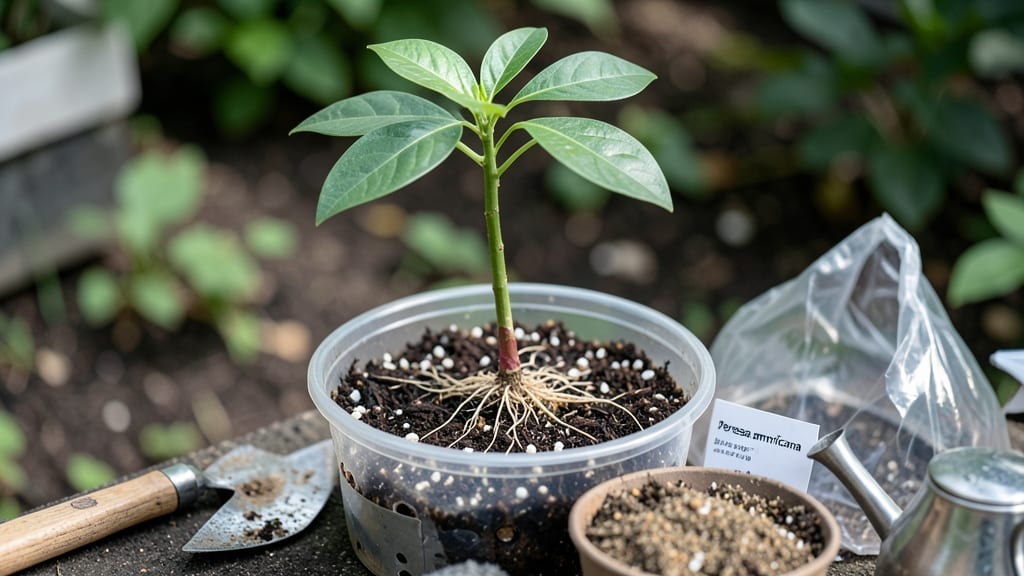
Planting an avocado seed in dirt at the wrong time could mean weeks—or even months—of waiting for your 🥑 Avocado Tree to sprout. The key to faster germination lies in understanding when to start, whether you're working indoors or outdoors in USDA Zone 6a.
Most gardeners make the mistake of planting too early, only to watch their seeds rot in cold soil. But with the right timing—typically after your last frost in spring—you can give your seed the warm, stable conditions it needs to break through the soil in just 2-6 weeks.
I’ve tested different methods, and the fastest results come from starting seeds indoors in March or April, then transplanting outdoors once temperatures stay above 70°F. This approach avoids common pitfalls like premature planting in chilly climates.
Ready to skip the guesswork? I’ll walk you through the exact steps to prepare your seed, soil, and environment for the fastest possible sprouting—no waiting around required.
Best time of year to plant avocado seeds in soil for faster germination
Timing your avocado seed planting is everything—plant too early or too late, and you risk slow germination or even rot. The ideal window depends on whether you're starting indoors or outdoors, as well as your local climate.
For most regions, spring (after the last frost) is the perfect time, but tropical zones can plant year-round. Let’s break down the best months and temperatures for success.
Avocado seeds thrive in warm soil (above 65°F) and struggle below 55°F. If you live in a cold climate (USDA Zones 7–10), aim for March–May when daytime temperatures consistently stay above 70°F.
In warmer zones (like Florida or California), you can plant as early as February or even year-round with protection from extreme heat.
Indoor starters give you more flexibility. Since you control the environment, you can plant anytime—but spring still offers the best balance of natural light and warmth. If starting indoors in winter, use a grow light to supplement the weak sunlight and maintain temperatures between 75–85°F for optimal root development.
Outdoor planting requires patience. Wait until nighttime temperatures stay above 55°F and soil warms to at least 60°F before planting directly in the ground. Cold soil slows germination and can cause the seed to rot.
Use a soil thermometer to check—this small tool is worth its weight in gold for seed starters!
| Climate Zone | Best Planting Months | Ideal Soil Temp | Notes |
|---|---|---|---|
| Tropical (Zones 10–12) | Year-round | 65–85°F | Plant after heavy rains to avoid waterlogging. |
| Temperate (Zones 8–9) | February–June | 70–80°F | Start indoors in winter for earlier germination. |
| Cold (Zones 6–7) | April–May | 75–85°F | Use black plastic mulch to warm soil faster. |
| Indoor (Any Zone) | Anytime | 75–80°F | Use grow lights if natural light is weak. |
Regional adjustments matter! If you’re in the Pacific Northwest, wait until late May when soil temperatures reliably stay above 60°F. In the Southeast, you can plant as early as February, but protect seedlings from late frosts.
For desert climates (like Arizona), avoid planting in summer—the intense heat can dry out seeds before they sprout.
Pro tip: If you’re unsure about your local frost dates, check the USDA Plant Hardiness Zone Map and add 2–4 weeks after the last frost date for safe outdoor planting.
This buffer ensures your seedling isn’t caught off guard by a surprise chill. For example, in Zone 7, aim for mid-April to early May.
One common mistake is rushing to plant outdoors too early. I once planted my avocado seed in March in my Zone 6 garden—it took 3 months to sprout because the soil stayed too cold.
Patience pays off: waiting for the right conditions can cut germination time in half. Use a seedling heat mat ($10–$20) if you’re eager to start early indoors.
Light exposure also shifts with seasons. In spring, natural light increases, giving seedlings the boost they need. If starting indoors in winter, supplement with a 12-hour grow light daily. Without enough light, seedlings grow leggy and weak—definitely not the strong start you want for your future avocado tree!
Finally, monitor your local weather forecast for heatwaves or unexpected cold snaps. Avocado seeds are sensitive to temperature swings—keep them in a stable environment (indoors or under shade cloth outdoors) until they’ve sprouted. Once roots appear, they’re better equipped to handle minor fluctuations.
With the right timing, you’ll see those first tiny green leaves in just 2–8 weeks—a far cry from the months of waiting that comes with planting at the wrong time.
Now that you’ve got the perfect window locked in, let’s dive into the pre-planting prep to ensure your seed is ready for dirt!
Best time of year to plant avocado seeds in soil for faster germination
Timing is everything when planting avocado seeds—getting it wrong can delay sprouting by months. The ideal window depends on your climate, but most gardeners see best results planting in spring (March–May) when soil temperatures consistently stay above 65°F (18°C).
This aligns with nature’s cycle, giving seedlings a strong start before summer heat arrives.
For indoor starters, you can begin as early as February in warm climates (USDA Zones 9–11), while cooler regions (Zones 6–8) should wait until late April or May to avoid cold damage.
Avocado seeds thrive in warm, stable temperatures (65–85°F), so outdoor planting before last frost risks stunted growth or failure.
🌱Pro Tip: Use a soil thermometer to confirm your dirt is warm enough—70°F+ is the sweet spot for germination.
| Climate Zone | Best Planting Window | Soil Temp Requirement | Key Consideration |
|---|---|---|---|
| Tropical (Zones 9–11) | Year-round (indoor/outdoor) | 65–85°F | No frost risk; fast germination |
| Temperate (Zones 6–8) | Late April–May (after frost) | 70–80°F | Wait for stable warmth; use row covers if needed |
| Cold (Zones 3–5) | Start indoors Feb–March; transplant June | 75–85°F (indoor) | Extend growing season with grow lights |
If you miss spring, June is your second-best option—just ensure seedlings get afternoon shade to prevent heat stress. Avoid planting in fall or winter unless you’re using a heated propagator, as cold soil slows or stops germination entirely.
Even in warm climates, avoid planting during monsoon season (heavy rains can drown seeds).
🌡️Temperature Warning: Seeds planted below 60°F (15°C) may rot instead of sprout—always check forecasts before planting outdoors.
For fastest results, align planting with your region’s last frost date and aim for 3–4 weeks of warm soil before transplanting seedlings.
In my experience, avocado seeds germinated in spring (with consistent moisture) sprout in 4–8 weeks, while winter plantings can take 3+ months—or never sprout at all.