
Plants
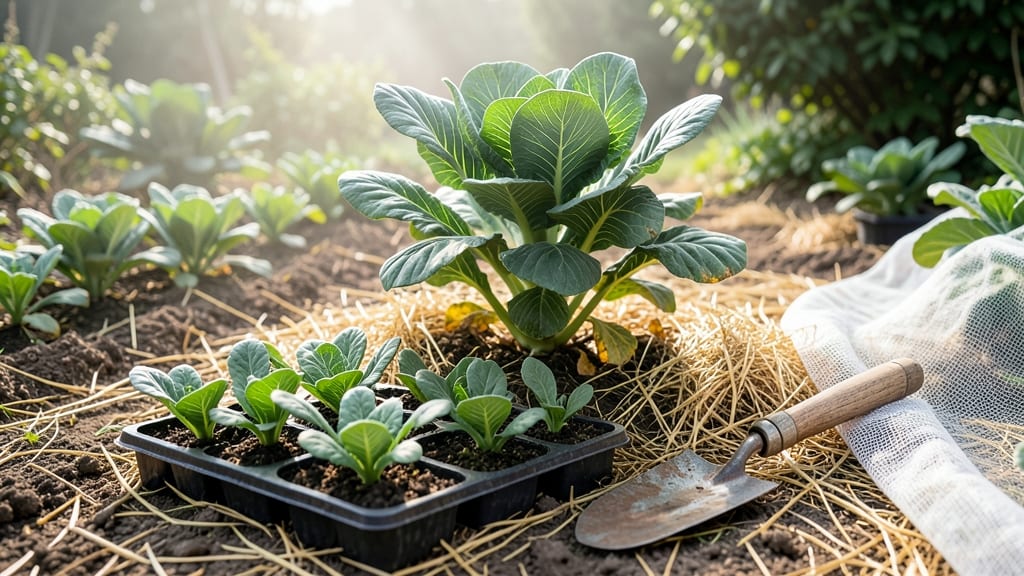
Planting collards at the wrong time in South Carolina can turn your garden dreams into a sad pile of wilted 🥬—but getting the timing right means crisp, flavorful harvests all season long.
The key isn't just knowing when to plant; it's understanding how your local frost dates and microclimates (coastal vs. Piedmont) create two distinct growing seasons for these cold-hardy greens.
If you've ever wondered why your spring collards bolt in the heat or your fall crop gets nipped by early frost, you're not alone. South Carolina's USDA Zones 7b-8a give you two perfect windows: early spring (March-April) and late summer (August-September), with fall harvests stretching into November.
But these timelines shift depending on whether you're near the coast or inland—where summer heat can turn your plants into sad, bolting shadows.
What most gardeners miss is how succession planting can give you fresh collards for 10+ weeks—from early spring through late fall. I'll show you exactly how to stretch your harvest by planting in two batches, plus how to protect your crop from SC's unpredictable frost patterns.
Ready to grow collards that actually thrive in our heat and humidity?
The secret lies in reading your local frost dates like a pro and adjusting for soil warmth—because in South Carolina, timing isn't just about the calendar, it's about the weather patterns that make our state unique. Let's get you planting with confidence so you can enjoy homegrown collards all season.
South Carolina frost-date zones: best collard planting windows by month
South Carolina’s USDA Zones 7b-8a create unique challenges for growing collard greens. Unlike northern states, SC’s mild winters and long growing seasons allow year-round planting—but timing is everything.
Plant too early in Zone 8a, and summer heat will stress your crop. Wait too late, and early frosts in November can ruin your harvest.
The key is leveraging frost-free windows while avoiding heat stress. Most SC gardeners succeed with two main planting windows: early spring (March-April) and late summer/early fall (August-September).
Coastal areas like Charleston (Zone 8a) have earlier last frost dates (mid-February) compared to Piedmont regions (Zone 7b) where frost lingers until mid-March.
Here’s how to match your planting schedule to SC’s frost zones for maximum yield:
| Zone & Location | Last Frost Date | Best Planting Window | Harvest Window | Key Risk |
|---|---|---|---|---|
| Zone 8a (Coastal: Charleston, Hilton Head) | Mid-February | Feb 15–March 15 Aug 1–Sept 15 |
April–May Oct–Nov |
Summer heat stress |
| Zone 7b (Piedmont: Columbia, Greenville) | Mid-March | March 15–April 15 Aug 15–Sept 30 |
May–June Oct–Dec |
Early frost risk |
| Zone 8a (Upstate: Spartanburg) | Late February | Feb 20–March 30 Aug 10–Sept 20 |
April–June Oct–Nov |
Heat + humidity |
For spring planting, aim to sow seeds 4–6 weeks before your last frost date. In Zone 7b, that’s mid-February; in Zone 8a, it’s early February.
This gives collards time to establish roots before summer heat arrives. Transplants can go in 2 weeks earlier since they’re already hardened off.
Fall planting is trickier in SC. Start seeds 8–10 weeks before your first frost (late September for Zone 7b, early October for Zone 8a).
If you miss this window, opt for transplants in August—they’ll mature faster and tolerate cooler temps better. Succession planting every 2 weeks in fall extends your harvest into December.
Pro tip: Use shade cloth (30–50%) during July–August to protect seedlings from heat stress. Coastal gardeners should also watch for humidity-related fungal diseases like downy mildew. Mulch with straw or pine needles to keep roots cool and moist.
Remember, collards thrive in cool weather but bolt in temperatures above 85°F. In SC’s Zone 8a, this means avoiding spring plantings after April 15 unless you’re using shade solutions. For year-round harvests, plan for two crops: one in spring and one in fall.
🌱
Collard growth timeline in South Carolina: from seed to harvest by planting month
Understanding your collard greens growth timeline in South Carolina is key to maximizing your harvest. Since SC spans USDA Zones 7b-8a, your planting month dramatically affects maturity dates and frost risk.
Let me break down what to expect when you plant in March, August, or October, including adjustments for Piedmont heat and coastal humidity.
For spring plantings (March-April), collards typically reach harvest in 60-80 days—just as summer heat arrives. This means you’ll need to harvest before late June to avoid bolting. Fall plantings (August-September) mature in 50-70 days, giving you a harvest window from October through December before hard frosts hit.
🌱
If you’re in Zone 8a (coastal SC), you can extend fall harvests by planting successive crops every 2-3 weeks from August through September. In Piedmont regions (Zone 7b), focus on late August plantings to avoid summer heat stress while still beating frost.
Pro tip: Use shade cloth (30-50%) during July-August if planting early for fall harvests. This prevents bolting from heat stress while still allowing enough sunlight for growth. Monitor your local frost dates—coastal areas like Charleston may have 2-3 weeks later first frosts than Upstate SC.
🌿