
Plants
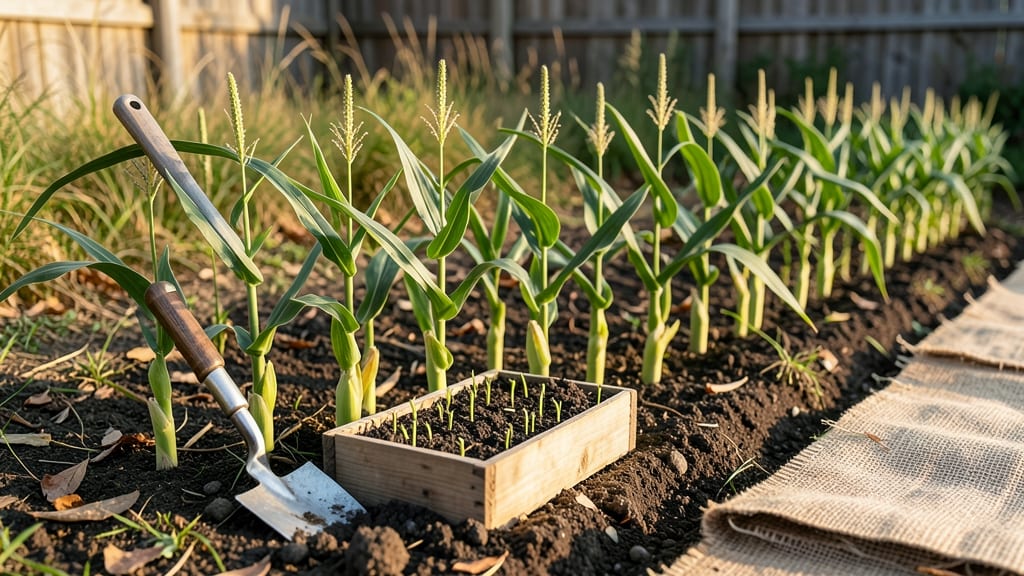
If you're dreaming of golden ears of corn 🌽 straight from your South Carolina garden, timing your planting is the most important step to success. Planting too early risks frost damage, while waiting too long can leave you with stunted crops—neither of which ends in a harvest-worthy feast.
South Carolina’s 7b-8a climate gives you a generous window from mid-April to early June, but the real secret lies in soil temperatures and frost-free dates.
We’re talking after the last frost—typically around March 15 in most regions—but only when the ground warms to at least 60°F for those tender seeds to sprout.
This guide breaks down the perfect planting schedule for your specific corner of the state, whether you're in the Upstate’s cooler hills or the Lowcountry’s humid coastal plains.
You’ll learn how to pick the right varieties, avoid common pitfalls, and even adjust for succession planting to keep fresh corn on the table from late July through October.
Ready to grow corn that’s sweeter, taller, and more productive than ever? Let’s get those seeds in the ground at the exact right moment for a bumper crop.
Best planting dates for corn in South Carolina by region
South Carolina’s three distinct regions—Upstate, Midlands, and Coastal—each have unique microclimates that affect corn planting timing. The last frost date (typically mid-March) and soil temperature (ideally 60°F+) are your best guides.
Planting too early risks frost damage, while waiting too late can shorten the growing season and reduce yields.
For Upstate SC (USDA zones 7b-8a), aim to plant mid-April to early May. This region’s cooler nights and slightly earlier frosts mean you’ll want to get seeds in the ground before June heat sets in.
The Piedmont area benefits from well-drained soil, making it perfect for early-maturing varieties like 'Silver Queen' or 'Peaches and Cream'.
In the Midlands, including Columbia and Augusta, you have a bit more flexibility. Start planting late April to early June, as this area enjoys warmer soils and longer frost-free periods. The heat tolerance of varieties like 'Bodacious' makes them ideal for this region’s summer humidity.
🌽 Best Corn Planting Dates by Region in South Carolina
| Region | USDA Zone | Optimal Planting Window | Soil Temp Requirement | Key Consideration |
|---|---|---|---|---|
| Upstate (Greenville, Spartanburg) | 7b-8a | Mid-April to early May | 60°F+ | Cooler nights; risk of late frost |
| Midlands (Columbia, Augusta) | 7b-8a | Late April to early June | 60°F+ | Warmer soils; longer growing season |
| Coastal (Charleston, Myrtle Beach) | 8a | Early April to late May | 65°F+ | Higher humidity; risk of fungal diseases |
💡 Pro Tip: Use a soil thermometer to confirm 60°F+ before planting. Coastal areas may need 65°F+ due to humidity.
The Coastal region, including Charleston and Myrtle Beach, offers the earliest planting window—early April to late May. However, the higher humidity and warmer soils (often 65°F+) mean you’ll need to monitor for fungal diseases like corn smut.
Varieties like 'Golden Bantam' (a heirloom option) thrive here with proper spacing and airflow.
Regardless of region, always plant 2-3 weeks after your last frost date. Use black plastic mulch in cooler areas to warm the soil faster and extend your planting window. For succession planting, stagger seeds every 2 weeks to ensure a continuous harvest from late July to October.
If you’re in a low-lying or wet area, consider raised beds to improve drainage and prevent root rot. The Lowcountry’s sandy soil drains quickly, so mulch heavily to retain moisture during ear formation. Avoid planting in low spots where water pools after rain.
For Upstate gardeners, prioritize early-maturing varieties (under 80 days) to avoid summer heat stress. In the Midlands and Coastal areas, you can afford slightly longer maturing times (up to 110 days) but must watch for early fall frosts.
Always check your local Cooperative Extension Service for region-specific frost dates and pest alerts.
One common mistake is relying solely on calendar dates instead of soil temperature. A cool, wet spring can delay planting even if it’s mid-April. Use a seedling heat mat if you’re eager to start early, but never plant until the soil is warm enough.
Corn seeds won’t germinate below 50°F, and slow starts lead to weak, disease-prone plants.
Finally, account for microclimates in your area. A south-facing slope warms up faster than a north-facing yard, so you might plant 1-2 weeks earlier in sunny spots. Conversely, shaded or windy areas may require delayed planting or protective structures like row covers.
With the right timing, your South Carolina corn will thrive—producing sweet, juicy ears that are the envy of the neighborhood. Start with the best planting window for your region, and don’t forget to monitor soil temps
How to adjust corn planting time for early varieties vs. late-maturing types
Choosing the right corn variety is just as important as planting timing in South Carolina’s climate. Early-maturing varieties like Silver Queen (70 days) thrive when planted in late March or April, while late-maturing types such as Golden Bantam (110 days) need a June planting to avoid frost.
Matching your variety to your planting window ensures a successful harvest before the first frost.
For early varieties, aim to plant 2-3 weeks after the last frost date.
This gives seedlings time to establish roots before summer heat arrives. Late-maturing varieties, however, require a longer growing season, so plant them in early June to allow enough time for kernel development before cold weather sets in.
Here’s how to adjust your planting schedule based on your corn’s maturity:
Plant in late March to April for a summer harvest. Ideal for short-season areas like the Upstate.
Plant in April to early May for a peak harvest in July-August. Perfect for Midlands and Coastal SC.
Plant in early June to avoid frost. Best for long-season areas like the Lowcountry.
Plant every 2 weeks from April to June for a continuous harvest through fall.
Wait until soil reaches 60°F or warmer before planting to prevent cold damage.
If you’re growing field corn for grain, opt for late-maturing varieties planted in June to ensure full kernel development. For sweet corn, early varieties planted in spring yield the sweetest, tenderest ears before heat stress sets in.
Adjust your planting schedule based on your local microclimate. Coastal areas stay warmer longer, allowing for later plantings than inland regions. Use raised beds in wet areas to improve drainage and extend the growing season.
For a reliable harvest, always account for your last frost date and the days to maturity of your chosen variety. This ensures your corn reaches full maturity before fall frosts arrive in November.