
Plants
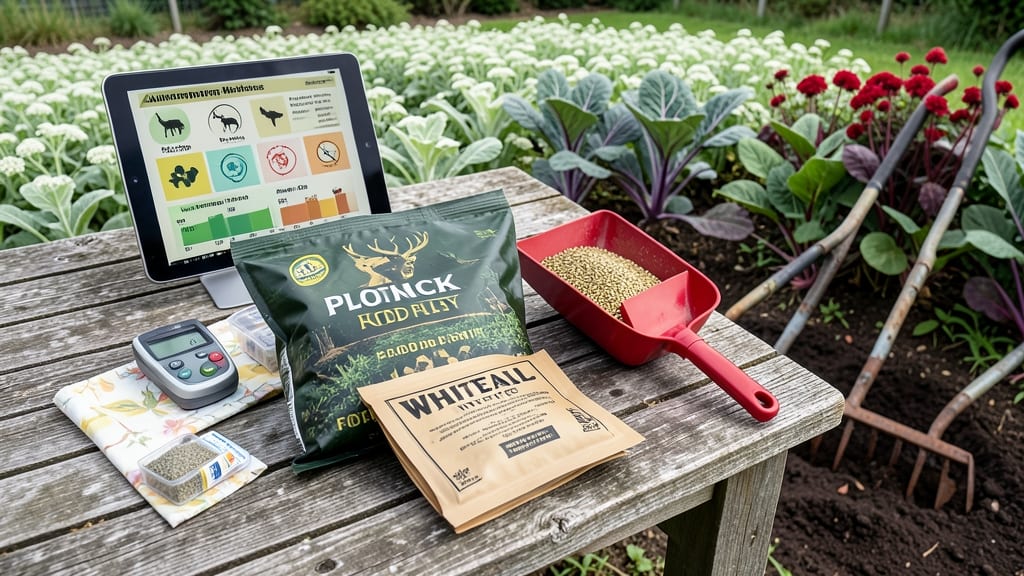
Planting your food plots at the right time in Alabama isn’t just about the calendar—it’s about catching deer when they’re hungry and your 🌱 plots are at their peak nutrition.
With Alabama’s 7a-8b climate zones, timing matters more than you might think. Plant too early, and frost could wipe out your hard work; too late, and you miss the window for lush, deer-attracting growth.
The sweet spot? February-March for spring and August-September for fall, when soil temps and rainfall align perfectly.
Whether you’re sowing clover for early spring bites or brassicas for fall feeding frenzies, getting the timing right means healthier plots and happier deer at your stand. I’ll break down the exact windows for each zone so you never miss another opportunity.
Ready to turn your food plots into a deer magnet? Let’s dive into the climate-specific strategies that’ll make this your most successful season yet.
Alabama’s 3 climate zones for food plot planting timing
Alabama’s diverse climate means your food plot planting schedule should match your specific region. The state spans USDA zones 7a-8b, creating distinct growing conditions from North Alabama’s cooler highlands to South Alabama’s warmer coastal plains.
Getting this right means choosing the perfect window for soil temperatures, frost dates, and deer activity peaks—all critical for lush, nutritious plots. Let’s break down the ideal planting times for each zone.
In Northern Alabama, where last frosts linger until mid-April, focus on cool-season crops like clover and brassicas planted in February-March. The cooler climate extends your growing season, letting you squeeze in fall plantings as late as October.
Meanwhile, Central Alabama offers a middle ground with last frosts around March 15, making it ideal for both spring (February-March) and fall (August-September) plantings.
Southern Alabama presents the longest growing season, with fewer frost risks and warmer winters. Here, you can plant cool-season crops in January-February and warm-season mixes like sorghum in late April. The extended season also allows for fall plantings until November, giving deer more food options during hunting season.
🌱
| Zone | Last Frost Date | First Frost Date | Best Spring Planting Window | Best Fall Planting Window | Top Crops |
|---|---|---|---|---|---|
| Northern Alabama | Mid-April | Mid-November | February-March | October | Clover, brassicas, winter rye |
| Central Alabama | March 15 | November 1 | February-March | August-September | Clover, chicory, sorghum |
| Southern Alabama | February 28 | December 15 | January-February | August-November | Brassicas, millet, warm-season mixes |
Soil temperature is your secret weapon for timing. Aim to plant when soil temps hit 50°F for cool-season crops or 65°F+ for warm-season mixes. Use a soil thermometer to check—this ensures seeds germinate quickly and uniformly.
In Northern Alabama, soil warms slower, so start seeds indoors in January for an early edge.
Don’t overlook deer behavior when scheduling. Plant cool-season crops in late winter to coincide with rutting season (November-February), when bucks need extra nutrition. Warm-season mixes planted in summer align with fawn nursing season (June-August), providing high-protein forage for does.
For Northern Alabama, prioritize early spring plantings of white clover and turnips—these thrive in cooler temps and offer year-round forage.
In Central Alabama, mix chicory with sorghum-sudangrass for a spring-to-fall food source. Southern Alabama gardeners should lean into warm-season brassicas like rape and collards, which handle humidity better and grow faster.
Always check Alabama Extension’s frost maps for your exact county—local microclimates can shift frost dates by 1-2 weeks. Pro tip: Plant a test strip of your chosen mix a week early to gauge germination success before committing to the full plot.
🌿
Best food plot species by Alabama planting season
Alabama’s warm climate lets you grow two distinct food plot seasons: cool-season crops that thrive in spring and fall, and warm-season mixes that dominate summer. Each season offers unique deer-attracting plants with specific planting windows to maximize nutrition and hunting opportunities.
For spring planting (February-March), focus on cool-season favorites like white clover and brassicas (turnips, radishes). These establish quickly when soil temps hit 50-60°F and provide lush forage by April, just as deer need protein after winter. My favorite mix? 80% clover + 20% brassicas for texture and nutrition.
Warm-season planting (August-September) shifts to sun-loving annuals like sorghum-sudangrass and millet. These handle Alabama’s summer heat (soil temps 70-85°F) and produce high-protein forage from October through December. Pro tip: Plant after the last summer heatwave to avoid seedling stress.
| Season | Best Species | Planting Window | Deer Rating | Peak Forage |
|---|---|---|---|---|
| Spring | White Clover, Turnips, Radishes | Feb-Mar | ⭐⭐⭐⭐⭐ | April-June |
| Fall | Chicory, Winter Rye, Brassicas | Aug-Sep | ⭐⭐⭐⭐ | Oct-Dec |
| Summer | Sorghum-Sudangrass, Millet | Aug-Sep | ⭐⭐⭐⭐⭐ | Sep-Nov |
| Year-Round | Crimson Clover, Winter Peas | Mar-Apr or Sep-Oct | ⭐⭐⭐⭐ | Multiple seasons |
Don’t overlook perennial options like chicory or sericea lespedeza, which establish in late summer (August) and produce forage for multiple years. These are my go-to for low-maintenance plots that deer love year-round. Just remember: soil prep is key—test your pH and amend to 6.0-7.0 before planting.
For maximum deer impact, stagger plantings by 2-3 weeks to create a continuous food source. For example, plant clover in February, then add brassicas in March for a two-phase forage system. This strategy ensures deer have something green to eat from spring through fall.
Always check Alabama Extension’s frost date maps before planting—North Alabama gets frost later than South Alabama, so adjust your timeline accordingly. My rule of thumb? Wait until soil temps stay above 50°F for 5+ days before seeding cool-season crops.