
Plants
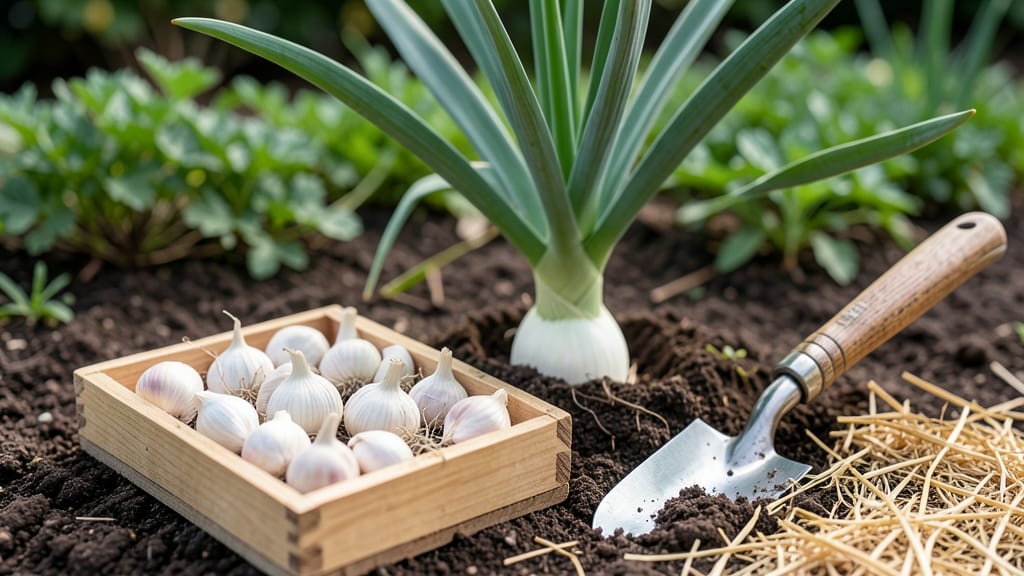
Planting garlic in Seattle isn't just about timing—it's about unlocking the best flavor and yield from your 🧄 crop. With our mild, wet winters and cool springs, getting the window right (typically October to November) makes all the difference between a thriving harvest and a disappointing one.
Most gardeners assume garlic can be planted anytime in fall, but Seattle’s unique climate demands precision. Hardneck varieties, which thrive in our cold winters, need to be in the ground 4-8 weeks before the first frost—usually by mid-October.
Softneck types, while more adaptable, still benefit from early planting to establish strong roots before winter sets in.
Why does this matter? Because planting too early risks rot from excess rain, while waiting too long leaves your garlic vulnerable to frost damage. I’ll break down the exact steps to time it perfectly, including soil prep and microclimate tweaks for urban vs. rural Seattle.
Ready to grow garlic that’s bold, plentiful, and perfectly suited to our Pacific Northwest weather? Let’s dive into the secrets that’ll transform your garden—and your meals—this season.
Best planting months for garlic in Seattle: hardneck vs softneck breakdown
Seattle’s USDA Zone 8a climate creates a unique challenge for garlic growers. Unlike warmer regions, our cool, wet winters and mild springs demand precise timing—especially when choosing between hardneck (cold-loving) and softneck (milder storage) varieties.
Plant too early, and your cloves may rot in soggy soil; too late, and they won’t establish roots before winter dormancy. The sweet spot? October through early November, when soil temps hover between 40°F and 50°F.
Hardneck varieties like ‘German White’ or ‘Music’ thrive in Seattle’s winters because they require vernalization (a cold period) to form bulbs. Softnecks, such as ‘Artichoke’, tolerate milder conditions but still need 4–8 weeks before the ground freezes to root properly.
Missing this window means smaller yields or no harvest at all. For Seattle gardeners, timing isn’t just about months—it’s about microclimates too.
| Factor | Hardneck Garlic | Softneck Garlic |
|---|---|---|
| Best Planting Window | October 1–November 15 | September 15–October 30 |
| Soil Temperature | 40°F–50°F (4–8°C) | 45°F–60°F (7–15°C) |
| Frost Requirement | Needs 40+ days below 40°F | Tolerates shorter cold spells |
| Urban vs. Rural | Urban: Plant by Oct 15 (warmer microclimates) | Rural: Can stretch to Nov 1 (cooler areas) |
| Harvest Time | Late July–early August | Mid-August–September |
| Storage Life | 6–8 months (shorter) | 12+ months (longer) |
🌱 *Hardnecks produce scape (flower stalk) in spring—harvest for cooking!
For hardneck garlic, aim to plant 4–6 weeks before the first hard frost (typically by October 15 in Seattle). Use a soil thermometer to confirm temps are below 50°F—this triggers root growth without encouraging rot.
In urban areas like Ballard or Fremont, where microclimates run warmer, you might push planting to early November, but rural spots like Snoqualmie Pass may need earlier starts.
Softnecks are more forgiving but still benefit from September planting if your soil stays workable. The key is drainage: Seattle’s clay-heavy soils hold moisture like a sponge. Amend beds with compost or sand to prevent waterlogged cloves.
I’ve seen softnecks planted as late as October 30 in sheltered spots, but yields drop sharply if frost hits before roots establish.
Pro tip: Break apart garlic bulbs into individual cloves right before planting—never store them in the fridge first. The paper skin on each clove acts as a natural fungicide, reducing rot risk in our damp climate.
Plant the pointy end up, 4–6 inches deep, and space them 6 inches apart in rows 12 inches apart for airflow.
Seattle’s rainy season (October–March) can drown garlic if not managed. After planting, top beds with 3–4 inches of straw mulch to insulate roots and reduce evaporation. In low-lying areas, like near Lake Washington, consider raised beds to improve drainage.
I’ve had success with drip irrigation on a timer to keep soil moist without soggy patches.
Don’t stress if you miss the ideal window—December planting can still work if soil temps stay above 35°F. Just expect smaller bulbs and prioritize hardnecks, which handle late starts better. The trade-off? You’ll miss out on scapes, those delicious garlic shoots that appear in spring.
Mark your calendar for late July, when hardnecks signal harvest readiness with brown lower leaves. Softnecks follow a month later. If you’re new to garlic growing, start with ‘German Red’ hardneck—it’s Seattle-proven and disease-resistant.
Just remember: patience is key. Garlic takes 8–10 months to mature, but the wait is worth it for homegrown flavor.
🌿 For extra insurance, test your soil’s pH (6.0–7.0
How to adjust planting for Seattle’s rainy season and microclimates
Seattle’s wet winters and microclimates (like Puget Sound’s milder zones vs. the drier Eastside) demand smart adjustments to your garlic planting strategy. Too much moisture can cause rot or mold, while urban heat islands may push planting windows later than rural areas.
Here’s how to adapt for Seattle’s unique conditions.
First, test your soil drainage before planting. Clay-heavy soils common in Seattle can trap water, leading to garlic bulb rot. Amend with compost or coarse sand to improve aeration, especially in low-lying areas where water pools.
If your garden sits in a frost pocket (like many urban backyards), plant garlic 2-3 weeks later than recommended timelines.
Mulching is non-negotiable in Seattle’s rainy season. Use straw or shredded leaves (4-6 inches thick) to insulate bulbs from excess moisture and temperature swings. Avoid synthetic mulches like black plastic—they can overheat soil in summer and trap too much dampness in winter.
🌧️Callout Warning:
⚠️ Avoid Planting in Waterlogged Soil
Seattle’s consistent rain can turn garden beds into soggy messes. If your soil stays wet for more than 48 hours, delay planting until conditions improve. Softneck varieties are slightly more tolerant of moisture than hardnecks, but neither thrives in standing water.
🔹 Fix it: Raise beds or plant on mounds in heavy-clay areas.
For urban gardeners, leverage microclimates to your advantage. South-facing walls or rooftop gardens often stay 5-10°F warmer than ground level, allowing you to plant 1-2 weeks later than cooler microclimates.
Conversely, if you’re in a valley or near water bodies (like Lake Washington), plant garlic earlier to avoid late-season frost risks.
Adjust your watering schedule based on Seattle’s unpredictable downpours. Once planted, garlic needs consistent moisture but hates soggy soil. Water deeply once a week unless you’ve had over 1 inch of rain—then skip watering to prevent rot.
In late winter, reduce watering to every 10-14 days to encourage bulb formation.
Finally, harvest timing may shift based on your microclimate. In warmer urban zones, garlic may mature 2-3 weeks earlier than rural areas. Watch for lower leaves turning brown (not the top leaves) and papery skins forming—these are your cues, not calendar dates.
Store harvested bulbs in a cool, dry place (like a mesh bag in your garage) to preserve them through Seattle’s damp winters.