
How To
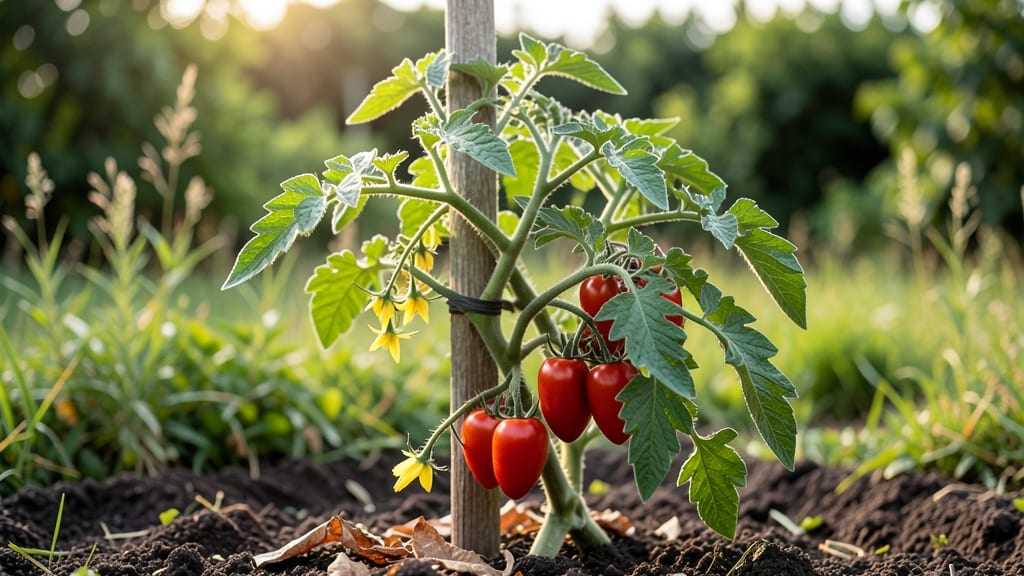
Wondering how tall your Roma tomato plants will grow before they’re heavy with 🍅? The answer depends on whether you’re growing the determinate (bush) or indeterminate (vining) variety—but here’s the game-changer: even the tallest types can be managed with the right staking and pruning.
Determinate Roma tomatoes typically max out around 3–4 feet, making them perfect for containers or small gardens. But indeterminate varieties? Those can shoot up to 6 feet or more if left unchecked—though with smart training, you’ll keep them compact without sacrificing yield.
The key is understanding their growth habits early.
If you’re short on space, vertical gardening is your best friend. A sturdy trellis or cage can support even the tallest plants while saving room for other crops. Plus, proper pruning not only controls height but also improves airflow, reducing disease risk and boosting fruit production.
Ready to transform your garden into a space-saving tomato powerhouse? I’ll walk you through the exact staking methods, pruning tips, and common mistakes to avoid—so you can enjoy a bountiful harvest without the sprawl.


Roma tomato plant height: average growth range and space requirements
If you’ve ever wondered, "How tall do Roma tomato plants grow?" the answer depends on whether you’re cultivating determinate or indeterminate varieties. Most Roma tomatoes fall into the determinate category, meaning they grow to a predictable height of 3 to 5 feet, perfect for small gardens or containers.
However, indeterminate types can reach 6 feet or taller if left unchecked, requiring staking or pruning to manage their sprawling vines.
The mature height of a Roma tomato plant directly impacts your harvest yield and space needs. Determinate plants produce fruit all at once, while indeterminate types offer a prolonged harvest—but they demand more vertical support.
Understanding these growth patterns helps you plan your garden layout efficiently, whether you’re working with a balcony planter or a raised bed.
For container gardening, Roma tomatoes thrive in 5-gallon pots or larger, where their roots can spread comfortably without overcrowding. In ground gardens, space them 18 to 24 inches apart to allow airflow and prevent disease.
If you’re short on space, vertical gardening with trellises or cages can turn a 4-foot-tall plant into a space-saving powerhouse.
Here’s a quick breakdown of what to expect from your Roma tomato plants based on their growth habits:
| Variety Type | Mature Height | Vine Spread | Harvest Pattern | Best For |
|---|---|---|---|---|
| Determinate Roma | 3–5 ft | 2–3 ft wide | All at once | Containers, small gardens |
| Indeterminate Roma | 6+ ft (if unstaked) | 3–4 ft wide | Prolonged harvest | Vertical gardens, trellises |
One common misconception is that all Roma tomatoes grow tall and wild like their indeterminate cousins. In reality, determinate varieties are bred to stay compact, making them ideal for urban gardeners or those with limited space.
If you’re growing in containers, choose a dwarf or semi-dwarf Roma to keep heights under 3 feet, while still enjoying a bountiful harvest.
To maximize your plant’s potential, provide full sun (6–8 hours daily) and well-draining soil rich in organic matter. Roma tomatoes are heavy feeders, so a balanced fertilizer (10-10-10) applied every 4–6 weeks will encourage strong stems and abundant fruit.
Without proper care, even determinate plants can flop or sprawl, reducing yield and increasing disease risk.
If you’re growing Roma tomatoes in row crops, leave 2–3 feet between plants to accommodate their leaf spread. In raised beds, you can space them 12–18 inches apart if using cages or stakes to support their weight.
For balcony gardens, opt for self-watering pots with trellis attachments to keep vines upright and save space.
Pruning is key to controlling height and improving airflow. For determinate plants, remove suckers (side shoots) to redirect energy to fruit production. For indeterminate types, prune aggressively to maintain a 4–5 foot height, especially if you’re growing in small spaces.
This not only keeps your plants manageable but also boosts fruit quality by reducing competition for nutrients.
Remember, the height of your Roma tomato plant isn’t set in stone—it’s influenced by genetics, care, and environment. With the right staking, pruning, and support, you can grow healthy, productive plants even in the tightest spaces.
Whether you’re aiming for a 3-foot dwarf or a 6-foot trellis, understanding these growth habits ensures a successful harvest every season.
Roma tomato plant height: average growth range and space requirements
When planning your garden, knowing how tall Roma tomato plants grow helps you maximize space and yield. These plants typically reach 4 to 6 feet tall at maturity, with vines spreading 2 to 3 feet wide. Their upright growth makes them perfect for vertical gardening, especially in small spaces.
Roma tomatoes are indeterminate varieties, meaning they grow continuously until frost. Without proper support, they can become top-heavy with fruit, leading to broken stems or sprawling vines. Understanding their growth habits lets you choose the right support system early.
Here’s a quick breakdown of their growth stages and space needs:
| Stage | Height | Width | Space Needs |
|---|---|---|---|
| Seedling | 6-12 inches | 6 inches | Small pot or tray |
| Transplant | 12-18 inches | 12 inches | 18-inch spacing in rows |
| Mature Plant | 4-6 feet | 2-3 feet | Tall cage or trellis |
| Fruiting Stage | 5-7 feet (with support) | 3 feet | Vertical support required |
If you’re growing Roma tomatoes in containers, choose pots at least 12 inches deep and wide to accommodate their root system. In-ground planting requires 18 to 24 inches of space between plants to prevent overcrowding and disease spread.
Pruning is key to controlling height and improving airflow. Remove suckers (side shoots) regularly to direct energy toward fruit production. This keeps plants 3 to 4 feet tall while boosting yield by up to 30%.
For urban gardeners, trellises or stakes are game-changers. They train vines upward, saving space and making harvests easier. Just ensure your support can handle 10+ pounds of fruit per plant!