
Plants
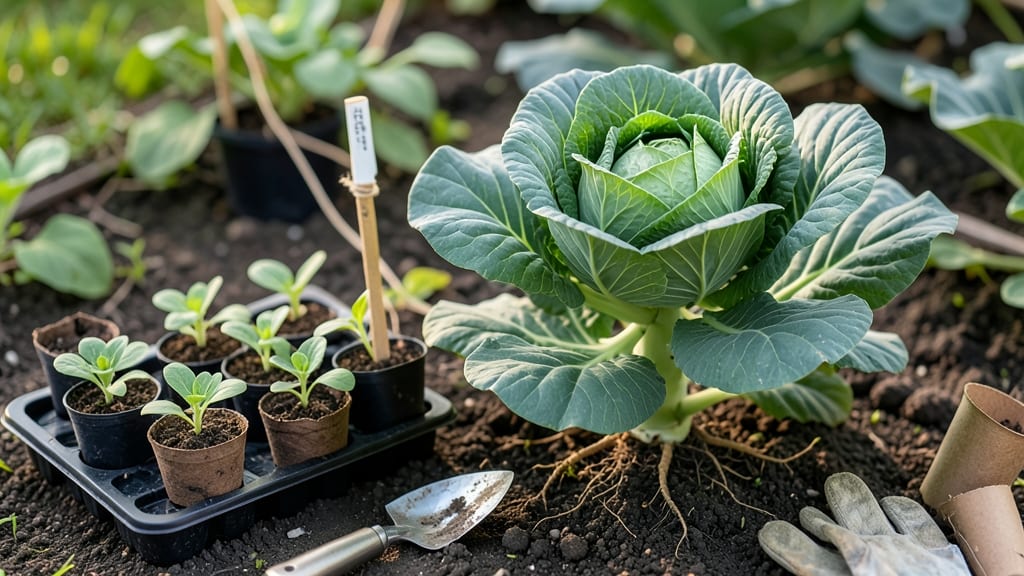
Timing your cabbage planting in North Carolina can feel like a high-stakes game of chance—one late frost, and your tender seedlings might not survive. The key to success lies in understanding your specific microclimate, whether you're in the cooler mountain regions or the warmer coastal plains.
Most gardeners in zones 7a-8b know that planting too early risks frost damage, while waiting too long can leave you scrambling to harvest before summer heat sets in.
For 🥬 that thrives in cooler weather, early spring (February-April) and late summer (July-August) are your best windows—but the exact dates depend on where you live.
In this guide, I’ll break down the ideal planting schedule for your region, including how to adjust for unpredictable weather and which varieties perform best in North Carolina’s diverse climate. You’ll learn exactly when to start seeds indoors or transplant seedlings for zero-frost survival.
Whether you’re a first-time gardener or a seasoned pro, these microclimate-specific tips will help you grow healthier cabbage with fewer headaches. Let’s get your garden on track for a bountiful harvest!
North Carolina cabbage planting calendar by microclimate Zone
North Carolina’s three distinct climate zones—Coastal Plain, Piedmont, and Mountains—each demand different cabbage planting windows to avoid frost damage. The Mountains (USDA Zone 6b-7a) experience earlier springs and later falls, while the Coastal Plain (Zone 8a-8b) enjoys longer growing seasons.
Let’s break down the optimal planting dates for each region to maximize your harvest.
For spring cabbage, aim to plant 4-6 weeks before your last average frost date. In the Piedmont (Zone 7a-7b), this typically means mid-February to early April.
The Coastal Plain can start slightly earlier, around late January to mid-March, while Mountain gardeners should wait until late March to early May to avoid late frosts.
Fall planting is equally critical. Start transplanting seedlings 10-12 weeks before your first frost. In the Mountains (first frost: late October), this means late July to early August.
The Piedmont (first frost: mid-November) has a July to early September window, while the Coastal Plain (first frost: late November) can extend planting until early September.
Here’s a quick reference for North Carolina’s cabbage planting calendar by zone, including key frost dates and ideal transplant windows:
| Zone | Last Frost Date | Spring Planting Window | First Frost Date | Fall Planting Window |
|---|---|---|---|---|
| Mountains (Zone 6b-7a) | Late March - Early April | Late March - Early May | Late October | Late July - Early August |
| Piedmont (Zone 7a-7b) | Mid-March | Mid-February - Early April | Mid-November | July - Early September |
| Coastal Plain (Zone 8a-8b) | Early March | Late January - Mid-March | Late November | July - Early September |
If you’re unsure about your local frost dates, check the NC State Climate Office or your county extension service for precise data. For example, Asheville (Mountains) averages its last frost on April 15, while Raleigh (Piedmont) typically sees its last frost by March 20.
These differences can shift your planting window by 2-4 weeks.
For fall cabbage, prioritize slow-maturing varieties in the Mountains, where the growing season shortens faster. In the Coastal Plain, you can push later plantings thanks to milder winters. Always harden off seedlings for 7-10 days before transplanting to improve frost resilience.
Pro tip: Use frost cloth or row covers to extend your spring planting window by 2-3 weeks in colder zones. This lets you start seeds indoors in January for an earlier transplant. Just remove covers by mid-May to avoid overheating.
Remember, soil temperature matters just as much as air temperature. Cabbage thrives in 45-85°F soil. Use a soil thermometer to confirm readiness—cooler soils in the Mountains may delay planting until mid-April, even if air temps seem warm.
For succession planting, stagger transplants every 2-3 weeks in spring and fall to ensure a continuous harvest. This works especially well in the Piedmont and Coastal Plain, where the growing season is longer.
🌱
How to adjust cabbage planting dates for North Carolina’s unpredictable weather
North Carolina’s unpredictable frost dates and microclimates can turn a simple cabbage planting plan into a gamble. The Piedmont region might see its last frost in early March, while the Coastal Plain could delay until mid-April. Without adjustments, your seedlings could face frost damage or bolt prematurely from heat stress.
To beat the odds, I rely on three key strategies: extending the spring season with protective gear, succession planting for continuous harvests, and prioritizing fall crops when summer heat arrives. These methods let me grow cabbage successfully in USDA Zones 7a-8b despite NC’s erratic weather patterns.
Row covers and cold frames are my secret weapons for early spring. By covering seedlings with lightweight fabric, I can push planting dates 2-3 weeks earlier than the average last frost. For example, in Asheville’s Zone 7a, I’ll plant cabbage as early as late February under protection, while coastal gardeners in Zone 8a might wait until mid-March.
- 📅 Spring Planting: Use row covers to plant 4-6 weeks before your local last frost date. Remove covers when temps stay above 50°F.
- ⏳ Succession Plant: Sow new seeds every 2-3 weeks from spring through early summer for staggered harvests.
- 🌡️ Fall Focus: Prioritize fall planting (July-August) for harvests before first frost. Choose fast-maturing varieties like ‘Golden Acre’ (58 days).
- 🌡️ Heat Tolerance: In Zone 8b, avoid planting after May 15—summer temps above 85°F cause bolting.
- 📊 Local Data: Check NC State Climate Office for your county’s 30-year frost averages—these are more reliable than USDA zones alone.
For fall cabbage, I calculate planting dates by working backward from the first frost date. In Raleigh’s Zone 7b, where frost typically arrives November 1, I aim to transplant seedlings by August 15 to ensure a 70-day harvest window.
This means starting seeds indoors in early July or buying established plants from local nurseries.
Another trick I use is succession planting to maximize yields. Instead of one big planting, I’ll sow a new batch of cabbage seeds every 2-3 weeks from March through June. This ensures a steady supply of fresh cabbage while accounting for NC’s variable spring weather.
For example, my first planting might get nipped by a late frost, but the second or third batch will thrive.
When summer heat arrives, I shift focus to heat-tolerant varieties and shade cloth. In Zone 8a, where summer temps can exceed 90°F, I’ll plant ‘Cavalo’ or ‘Surprize’ cabbage in partial shade and keep soil moisture high.
These varieties handle heat better than standard types, giving me a second chance at harvest before fall.
Remember, local extension offices are your best resource. They track real-time frost data and can advise on pest pressures like cabbage worms or flea beetles that may affect your planting timeline. With these adjustments, you’ll turn NC’s unpredictable weather into an advantage—not a roadblock.