
Plants
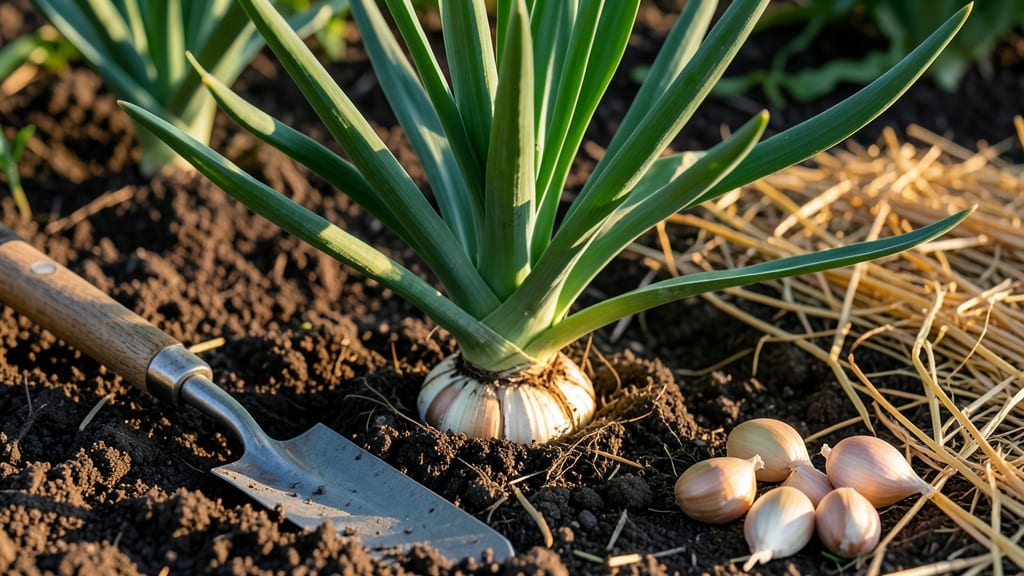
Timing your 🧄 garlic planting in Zone 7 isn't just about throwing cloves in the ground—it's the key to growing bulbs that are plump, flavorful, and ready for harvest. Plant too early, and you risk rot from winter moisture; too late, and your garlic may bolt before forming proper bulbs.
Most gardeners in Zone 7 swear by fall planting, typically between October and November, when soil temperatures drop but the ground remains workable. This gives your garlic roots time to establish before winter dormancy, setting the stage for a robust harvest the following summer.
But what if your fall schedule doesn't align with these dates? Spring planting is an option, though it often yields smaller bulbs.
I'll walk you through both approaches, including soil prep tips and how to adjust for your local microclimate—so you can confidently plant garlic at the perfect time for your garden.
Whether you're a seasoned gardener or just starting, getting the timing right means the difference between a handful of sad, underdeveloped cloves and a bounty of bold, flavorful garlic ready for your kitchen. Let's make sure your next planting season is a success.
Best planting windows for garlic in Zone 7: fall vs. spring timing
Garlic thrives in Zone 7 when planted during its optimal cold period, which typically means fall planting for most varieties. The 4–6 week window before your first frost (usually mid-October in Zone 7) is critical—this gives roots time to establish before winter dormancy.
For reference, my Zone 7a garden (average lows of 0–5°F) gets planted in early October, while Zone 7b (5–10°F lows) can wait until late October.
Fall-planted garlic benefits from vernalization, a chilling process that triggers bulb formation. Skipping this step often results in small, weak bulbs or even bolting (premature flowering).
I’ve seen neighbors plant too late—after November—and their harvests were disappointingly small. Timing isn’t just about the calendar; it’s about soil temperatures dropping below 50°F consistently.
Spring planting is possible but riskier in Zone 7. If you miss the fall window, aim for early spring (February–March) before active growth begins. However, spring garlic often produces smaller bulbs because it lacks the full cold period.
For example, my softneck varieties (like Silverskin) do better in spring, but hardnecks (like Rockstar) struggle without winter chilling.
Here’s the key difference: Fall-planted garlic overwinters, developing roots before shoots, while spring-planted garlic races to mature before summer heat sets in. In Zone 7, summer temperatures can exceed 90°F, stressing garlic plants and reducing yield.
I’ve tested both methods—fall garlic consistently delivers larger, more flavorful bulbs in my climate.
🌱
| Planting Method | Best Time in Zone 7 | Bulb Size | Flavor Profile | Climate Risk |
|---|---|---|---|---|
| Fall Planting | October–November (4–6 weeks before frost) | Large (1–2 inches) | Bold, complex (hardnecks) | Freezing temps (20°F risk) |
| Spring Planting | February–March (before active growth) | Small (½–1 inch) | Mild, sweet (softnecks) | Heat stress (> 85°F) |
🌡️ Pro Tip: Use a soil thermometer to confirm 50°F soil temps before planting in fall.
Your Zone 7 microclimate plays a huge role in success. Urban areas with heat islands may need earlier planting (September) to avoid summer stress, while rural zones can wait until November.
I’ve noticed that southern exposures in my garden warm up faster in spring, so I plant spring garlic there first. Conversely, northern or shaded spots might need a row cover to protect from late frosts.
For hardneck varieties, which produce scape shoots, fall planting is non-negotiable—they need 60+ days below 40°F to form bulbs. Softnecks, like Artichoke garlic, are more flexible but still prefer fall.
If you’re unsure about your variety, check the days to maturity on the seed packet—most Zone 7 garlic needs 240–300 days from planting to harvest.
One common mistake is planting garlic too shallow or with the root end up. Always plant cloves 2 inches deep, pointed end up, and 4–6 inches apart. I’ve had cloves sprout but fail to bulb properly because they were buried too deeply or crowded.
Spacing also improves air circulation, reducing fungal diseases like white rot, which is rampant in Zone 7’s humid summers.
Finally, don’t overlook soil preparation. Garlic loves well-draining, fertile soil with a pH of 6.0–7.0. Amend heavy clay soil with compost or sand to prevent waterlogging. My Zone 7 garden has clay soil, so I mix in aged compost and gypsum before planting.
This ensures roots can access moisture and nutrients without sitting in soggy conditions.
🌿
Best planting windows for garlic in Zone 7: fall vs. spring timing
In Zone 7, garlic thrives when planted during its dormant season—typically fall—but spring planting is possible with adjustments. The key is timing your planting so the cloves establish roots before winter dormancy or heat stress sets in.
For most of Zone 7, this means aiming for mid-October to early November, about 4-6 weeks before the first hard frost.
Fall planting gives garlic time to develop a strong root system before winter, which translates to larger bulbs by harvest. However, if you miss this window or live in a warmer microclimate within Zone 7, spring planting (late winter/early spring) can still work.
The trade-off? Spring-planted garlic often yields smaller bulbs because it misses the cold vernalization period that boosts bulb formation.
Here’s the critical difference: Hardneck varieties (like Rocky Mountain or German Red) need cold exposure to form bulbs, making fall planting ideal. Softneck varieties (like Silverskin) are more flexible but still prefer fall planting for best results.
| Factor | Fall Planting | Spring Planting |
|---|---|---|
| Best Time | Mid-October to early November | Late January to early March |
| Bulb Size | Larger (ideal for hardnecks) | Smaller (better for softnecks) |
| Cold Requirement | Yes (vernalization needed) | No (misses cold period) |
| Heat Risk | Low (dormant in winter) | High (early summer stress) |
| Harvest Window | Late July to August | Late August to September |
If you’re planting in fall, wait until soil temperatures drop below 70°F but haven’t yet frozen. This ensures cloves sprout roots but don’t start growing shoots too early.
In Zone 7, this usually aligns with late October, but check your local frost dates—some years, the first frost hits earlier than expected.
For spring planting, aim to get cloves in the ground by early March to avoid the heat of summer. This method works best in warmer microclimates or if you’re growing softneck varieties, which are less dependent on cold vernalization. However, expect 20-30% smaller bulbs compared to fall planting.
Pro tip: Test your soil’s drainage before planting—garlic hates soggy roots. Amend heavy clay soil with compost or sand to improve aeration, and always plant cloves with the pointed end up, 2 inches deep and 4-6 inches apart for optimal spacing.