
Plants
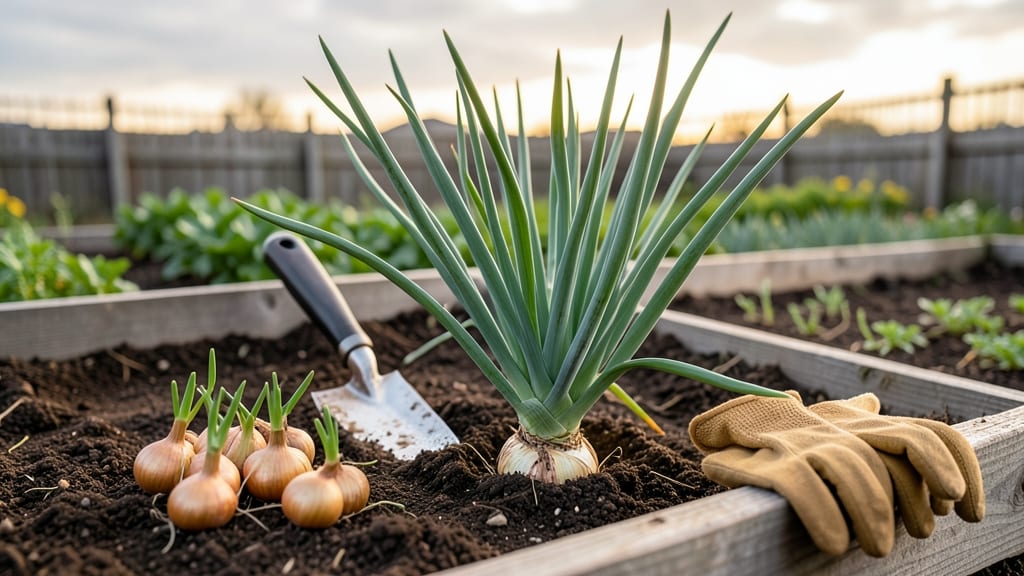
Planting onions in Georgia at the wrong time can mean the difference between a bumper crop of sweet, tender 🧅 bulbs and a disappointing harvest of tough, pithy scraps.
If you’ve ever wondered why your onions bolt too early or fail to mature before Georgia’s summer heat sets in, timing is the key. The ideal window opens in late winter—think February to March—when soil temperatures hover around 60-70°F, giving your onions the perfect start.
But don’t overlook fall planting either, as September and October can yield equally strong harvests before the first frost.
Here’s the game-changer: most gardeners miss the 6-8 week window before Georgia’s last frost date (around March 15), which is when onions need to establish roots.
Whether you’re using sets, transplants, or seeds, this guide breaks down the exact months, soil prep tricks, and climate hacks to avoid bolting and heat stress—so you can enjoy onions that store well into winter.
Ready to grow onions that rival your grocery store’s best? Let’s dive into the step-by-step schedule that’ll have your garden thriving, not wilting, in Georgia’s heat.
Best planting months for onions in Georgia’s climate zones
Georgia’s USDA zones 7b-8b create a unique challenge for onion growers—too early, and frost threatens young plants; too late, and summer heat triggers bolting. The key is planting during cool soil temperatures (60-70°F), which prevents premature flowering.
Most gardeners in Georgia achieve success with two planting windows: fall and early spring.
Fall planting is my top recommendation for Georgia growers. By sowing 8-10 weeks before the first frost (mid-November), onions mature before summer heat arrives. This means aiming for September 15-October 15, depending on your exact location.
For example, Atlanta gardeners should plant by October 1, while southern Georgia (like Savannah) can extend until October 15.
Spring planting is trickier but still viable if you start 4-6 weeks before the last frost (mid-March). This translates to February 1-March 1 for most of Georgia. However, spring-planted onions often struggle with heat stress by May, so choose short-day varieties like ‘Texas Early White’ for better results.
Here’s the critical soil temperature rule: Onions won’t germinate well in soil warmer than 70°F. In Georgia, this means avoiding April-May planting unless you’re using shade cloth or raised beds to cool the soil. Even then, growth will be slow in summer’s oppressive heat.
Pro tip: Use a soil thermometer to check temperatures before planting. In Georgia’s humid climate, soil stays warm longer than air temps suggest. For example, a 75°F air temp can still hide 80°F soil—a no-go for onions.
Now, let’s break down the exact planting windows by method—seeds, sets, or transplants—and how Georgia’s microclimates affect timing.
| Planting Method | Ideal Planting Window | Soil Temp Requirement | Georgia-Specific Notes |
|---|---|---|---|
| Seeds (direct sow) | September 1-October 15 (fall) or February 1-March 1 (spring) | 55-65°F | Slow germination in summer; use shade cloth if spring-sowing. |
| Sets (small bulbs) | September 15-October 30 (fall) or February 15-March 15 (spring) | 60-70°F | Fastest method; plant 1" deep, 4" apart. Avoid spring planting in southern GA. |
| Transplants (young plants) | September 1-October 1 (fall) or February 1-March 1 (spring) | 60-70°F | Best for late starters; harden off plants before transplanting. |
| ⚠️ Avoid planting after April 15—heat stress causes bolting (premature flowering). | |||
For northern Georgia (zone 7b), like Athens or Dahlonega, focus on fall planting (September-October). These areas have earlier frosts, so spring planting is riskier. In contrast, southern Georgia (zone 8b), such as Valdosta or Brunswick, can push fall planting to late October and still avoid frost.
One common mistake I see in Georgia gardens? Planting onions too close to summer. Even if you use shade cloth, onions planted after April 15 will likely bolt by June.
Instead, prioritize fall planting for the largest, sweetest bulbs. If you must plant in spring, choose short-day varieties and provide afternoon shade.
Finally, remember that Georgia’s humid climate means onions need well-draining soil to prevent rot. Amend your beds with compost or sand if your native soil is heavy clay. Mulch with straw to retain moisture and regulate soil temps—critical for preventing bolting.
With these timing guidelines, you’ll avoid the two biggest pitfalls for Georgia onion growers: frost damage in spring and heat-induced bolting in summer. Next, we’ll cover how to protect your onions once they’re in the ground—especially during Georgia’s brutal July-August heat.
Best planting months for onions in Georgia’s climate zones
Georgia’s USDA zones 7b-8b offer two ideal windows for planting onions: fall (September-October) and early spring (February-March). Fall-planted onions mature before summer heat triggers bolting, while spring plantings avoid winter dormancy risks.
The key is targeting soil temperatures between 60-70°F—too warm or cold stunts growth or causes premature flowering.
For spring harvests, plant onion sets or seedlings 4-6 weeks before your last frost date (typically around February 15-March 1). This gives bulbs time to establish roots before Georgia’s heat peaks.
Fall plantings should occur 8-10 weeks before first frost (usually September 15-October 15) to ensure maturity before winter chill.
| Planting Window | Soil Temp Goal | Variety Type | Harvest Window |
|---|---|---|---|
| Fall (Sept-Oct) | 60-70°F | Short-day onions | Oct-Nov |
| Early Spring (Feb-Mar) | 55-65°F | Intermediate-day onions | May-June |
| Late Spring (Apr) | 65-75°F | Heat-tolerant varieties | July-Aug |
Georgia’s humid summers make timing critical—planting too late in spring risks bolting (premature flowering) as days lengthen. Use shade cloth (30-50%) if extending spring plantings into April. For fall, prioritize disease-resistant varieties like ‘Texas Early White’ to combat Georgia’s fungal pressures during wet seasons.
Avoid planting onions in July-August unless using heat-tolerant varieties like ‘Yellow Granex’. The combination of high temps and long daylight hours forces onions to bolt before bulb formation. Instead, focus on fall or early spring plantings for consistent yields and flavor.
Test your soil pH (6.0-7.0) before planting—Georgia’s clay-heavy soils often need compost or sulfur to meet onion needs. Amend beds with aged manure 2-3 weeks pre-planting for nutrient-rich soil that supports bulb development.
Remember: Onion sets (small bulbs) sprout faster than seeds, giving you a 2-3 week head start in Georgia’s short cool seasons. For seed-started onions, begin indoors 8-10 weeks before transplanting to align with your target planting window.