
Plants
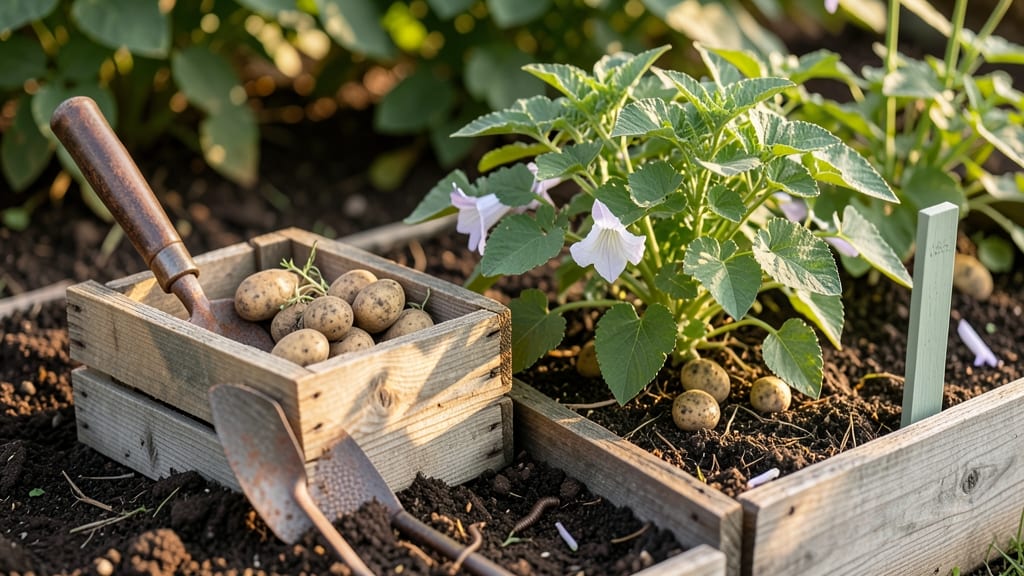
Planting potatoes at the wrong time in Australia can turn your 🥔 dreams into a soggy mess—whether it's frost-nipped tubers in the high country or stunted growth from summer heat.
The key isn't just picking a season, but matching your region's climate to the perfect window, whether you're in tropical Queensland or alpine Victoria.
I've seen gardeners miss the mark by weeks, only to watch their harvests fail. The solution? Timing that balances soil warmth, frost risk, and variety maturity.
For example, early varieties in NSW need to hit the ground by May, while WA growers wait until July to avoid summer's scorching heat.
This isn't one-size-fits-all gardening. We'll break down the exact months for each state, plus pro tips for adjusting planting times based on whether you're growing early, mid, or late-season potatoes. No more guessing—just data-backed strategies to maximize your yield.
Ready to dig in? Let's turn your potato patch from "maybe" to "bumper crop," no matter where you're planting across the country. The soil's waiting—will you be ready?
Best potato planting months by Australian region (with frost & heat zones)
Australia’s diverse climate means potato planting times vary dramatically—from tropical Queensland to alpine Victoria. In temperate zones like NSW and Tasmania, aim for late winter to early spring (August–September) when soil warms to 10°C (50°F).
Meanwhile, cooler regions (e.g., Victoria’s highlands) can start as early as July, while Queensland’s wet season demands dry-season planting (May–June) to avoid rot.
Frost is the biggest enemy: early varieties (e.g., ‘Rocket’) need planting before the last frost (typically late August in Sydney), while late varieties (e.g., ‘Kennebec’) can handle light frosts and go in September–October.
Heat is another factor—Western Australia’s summer (December–February) is too hot for planting; opt for autumn (March–April) for a winter harvest.
Soil temperature is critical: Potatoes won’t sprout below 7°C (45°F). Use a soil thermometer to check—8–12°C (46–54°F) is ideal. In Northern Australia, planting aligns with the dry season (May–October) to avoid fungal diseases from excess moisture.
Meanwhile, Southern Australia benefits from spring rains, making September–October perfect for seed potato planting.
Here’s how to tailor planting to your region—avoid these mistakes or risk stunted tubers or disease:
Pro Tip: Use row covers in frost-prone areas to extend your planting window by 2–4 weeks. In Northern Australia, shade cloth protects tubers from scorching heat during harvest. For double crops, plant early varieties (e.g., ‘Desiree’) in August and late varieties (e.g., ‘Sebago’) in September—this ensures a spring and summer harvest.
Soil prep is just as critical as timing. Work in compost or well-rotted manure 2 weeks before planting to boost drainage and nutrients. Avoid fresh manure—it can cause scab disease. In sandy soils, mix in peat moss to retain moisture, while clay soils benefit from gypsum to improve structure. pH should be 5.0–6.5—test and amend if needed.
Varieties matter too. Early-season types (e.g., ‘Red Pontiac’) mature in 70–90 days, perfect for frost-sensitive zones. Mid-season (e.g., ‘Bonita’) thrives in temperate climates, while late-season (e.g., ‘International Kidney’) handles cooler summers. In Queensland, heat-tolerant varieties like ‘Beauregard’ outperform others. Always chit your seed potatoes (place in light, cool conditions for 2–4 weeks before planting) to jumpstart sprouting.
Watch for pests like potato beetles in Northern Australia—start planting early enough to harvest before they peak in October. In Southern Australia, slugs are a threat; use copper tape or diatomaceous earth if needed. Disease pressure (e.g., blight) rises in wet springs—space plants 30cm apart and rotate crops annually to prevent buildup.
Harvest timing depends on variety: new potatoes can be dug 2–3 weeks early, while full-sized tubers need 90–120 days. In tropical regions, harvest by June to avoid tuber degeneration from heat. Store excess in a cool, dark place (5–10°C or 41–50°F) with high humidity to prevent shriveling.
By aligning planting with your local climate zone, you’ll maximize yield and avoid common pitfalls. Next, we’ll dive into how to adjust planting for early vs. late varieties—and the mistakes that ruin harvests. 🌱
How to adjust planting times for early vs. late varieties (and avoid common mistakes)
Choosing the right potato variety is just as critical as timing—early varieties like ‘Rocket’ mature in 70-80 days, while late varieties such as ‘Kennebec’ take 90-110 days. Planting early varieties too late or late varieties too early can ruin your harvest.
For example, if you plant ‘Kennebec’ in November in Victoria, you’ll likely miss the frost-free window and lose your crop.
Start by checking your last frost date—most Australian regions experience frost between May and September. Early varieties should go in the ground 4-6 weeks before your last frost, while late varieties need 8-10 weeks of frost-free growth before harvest.
In Queensland’s warmer climate, you can plant early varieties almost year-round, but late varieties still need cooler temperatures to mature properly.
For a double harvest, try planting early varieties in late winter (August-September) and late varieties in early spring (September-October). In temperate zones like NSW, this lets you harvest early potatoes in November-December and late potatoes in February-March.
Always chit your seed potatoes—placing them in light and warmth for 4-6 weeks before planting speeds up sprouting and ensures a faster harvest.
Another critical factor is soil temperature. Potatoes won’t sprout well in cold soil—aim for 10°C (50°F) or warmer. In cool climates like Tasmania, wait until October to plant, even for early varieties.
Use a soil thermometer to check—if it’s below 10°C, delay planting or use row covers to warm the soil faster.
If you’re unsure about your local frost dates, consult the Bureau of Meteorology or your state’s agricultural extension service. They provide region-specific frost maps that can save you from costly mistakes.
For example, Alpine Victoria has later frost risks than coastal New South Wales, so adjust your planting window accordingly.
Finally, keep a planting journal to track what works in your garden. Note the exact dates you plant, the varieties you choose, and any weather anomalies (like early frosts or heatwaves).
Over time, you’ll refine your timing to match your unique microclimate—whether that’s a sunny inland patch or a coastal breeze-prone area. 🌱