
Plants
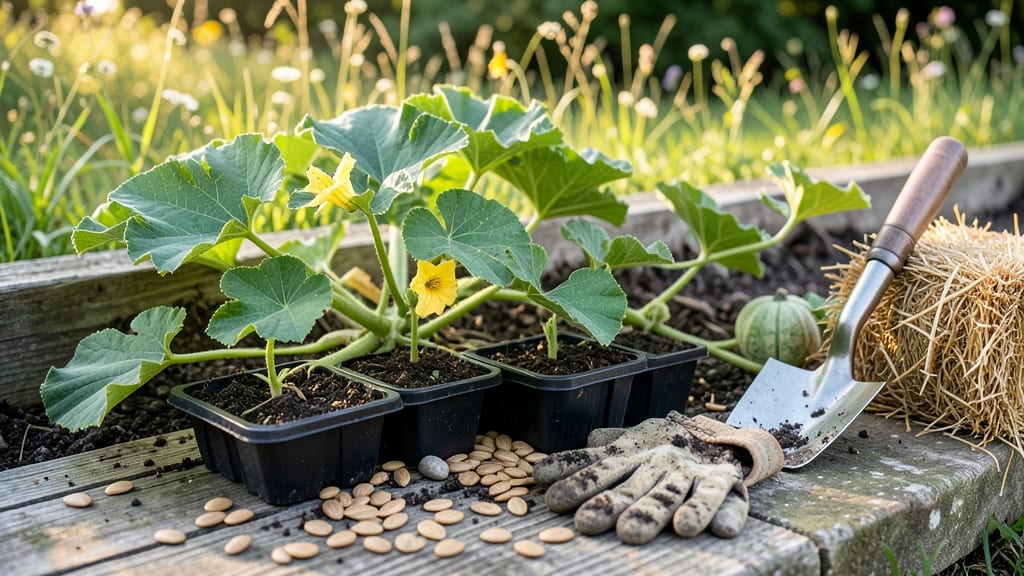
Planting pumpkin seeds in Indiana at the wrong time can mean the difference between a bountiful harvest and a sad, wilted 🎃 pile. The key isn't just waiting for spring—it's matching your planting to Indiana's 5b-6b heat zones and last frost dates to give those seeds the perfect head start.
Most gardeners in Indiana start planting pumpkin seeds between mid-April and early June, but timing depends on your exact location and variety. If you're in northern Indiana, you'll need to wait longer for the soil to warm up, while southern Indiana gardeners can plant earlier.
The goal? Get those seeds in the ground when the soil hits 60°F—about two weeks after your last frost date.
Here's the game-changer: whether you're growing small jack-o'-lanterns or giant pie pumpkins, understanding your local microclimate can save you from frost damage or stunted growth. I'll walk you through the exact steps to time your planting for maximum success, including when to start seeds indoors versus direct-sowing for Indiana's climate.
Let's dive into the optimal planting windows, soil temperature tricks, and variety-specific tips so you can avoid common mistakes and enjoy a harvest full of healthy, thriving pumpkins by fall.
Indiana’s pumpkin planting timeline by heat zone (USDA 5-6b)
Indiana’s USDA zones 5b and 6b create a tricky balance for pumpkin growers. The average last frost date hovers around April 15, but soil warmth and microclimates can shift planting windows by weeks.
In northern Indiana (zone 5b), you’ll need to wait longer for stable 60°F soil temperatures, while southern Indiana (zone 6b) gardeners can start sooner. The key? Planting when your pumpkins have 90-120 frost-free days to mature.
Most pumpkin varieties need 75-100 days to harvest, so timing is everything. For example, a ‘Jack Be Little’ (75 days) can be planted later than a ‘Howden’ (100 days). Below, I’ve mapped out the optimal planting windows for both zones, including soil temperature checks and regional adjustments.
Pro tip: Use a soil thermometer—pumpkin seeds won’t sprout below 60°F, even if air temps are warm.
🌱
| Zone | Last Frost Date | Soil Temp Threshold | Planting Window | Harvest Window |
|---|---|---|---|---|
| USDA 5b (Northern IN) | April 20–May 5 | 60°F+ (2 weeks after last frost) | May 1–15 (direct sow) or April 1–15 (indoors) | Late Sept–Oct 10 |
| USDA 6b (Southern IN) | April 10–20 | 60°F+ (1–2 weeks after last frost) | April 15–May 1 (direct sow) or March 20–April 1 (indoors) | Mid-Sept–Oct 15 |
*Adjust for microclimates: Low-lying areas may need 1–2 weeks later.
Northern Indiana gardeners should prioritize fast-maturing varieties (75–90 days) to avoid early frosts. For example, plant ‘Jack Be Little’ or ‘Small Sugar’ by May 1 for a September harvest.
In southern Indiana, you can afford longer-season varieties like ‘Howden’ or ‘Cinderella’, which thrive when planted by April 15. Always check your local Almanac frost dates—they’re more precise than USDA averages.
If you’re unsure about your exact last frost date, use the Indiana State Climate Office’s frost probability tool. This will give you a 90% frost-free guarantee for your specific county.
For example, Gary (zone 6a) has a later frost risk than South Bend (zone 5b), so adjust accordingly. Pro move: Plant a test row of bush beans two weeks before your target pumpkin date—they’re frost-sensitive and will tell you when it’s safe.
For container gardening in Indiana, start seeds indoors 4–6 weeks before your zone’s last frost. Use biodegradable pots to avoid transplant shock, and harden off seedlings for 7–10 days before moving them outside.
Containers warm up faster than soil, so you can plant 1–2 weeks earlier than ground plantings. Just ensure your container is at least 12 inches deep—pumpkin roots need room to stretch!
💧
One common mistake I see in Indiana gardens? Planting too early because the air temperature feels warm. Pumpkin seeds need consistent soil warmth, not just sunny days. If your soil is below 60°F, seeds will rot.
Use a black plastic mulch to warm the soil faster—this can shave 1–2 weeks off your planting timeline. For extra insurance, cover seedlings with frost blankets if a late frost sneaks in after planting. Trust me, your pumpkins will thank you.
Finally, don’t forget about succession planting for a longer harvest. In southern Indiana, you can plant a second crop in early June for a late-summer harvest, using fast-maturing varieties. Just be prepared to harvest before frost
5 Critical factors that determine your pumpkin planting success in Indiana
Timing isn’t the only secret to Indiana pumpkin success—soil warmth, frost risk, and variety choices matter just as much. I’ve planted pumpkins here for years, and these 5 critical factors separate the thriving vines from the frost-killed failures. Let’s break them down so you can avoid common mistakes.
First, soil temperature is your #1 indicator. Pumpkin seeds need 60°F+ soil to germinate—colder soil means rotten seeds. Use a soil thermometer (just $10 at garden centers) and wait until the ground stays consistently warm.
In northern Indiana, this usually means 2 weeks after last frost, while southern Indiana can start 1-2 weeks earlier.
🌱 Numbered Highlights: Indiana Pumpkin Planting Essentials
- Soil Temp Check: Wait for 60°F+ soil (use thermometer).
- Frost Probability: Plant after April 15 (northern IN) or April 1 (southern IN).
- Seed Starting: Direct sow preferred (avoids transplant shock), but start 4-6 weeks indoors for late varieties.
- Space Planning: 2-3 feet apart in hills—vines spread 10+ feet!
- Season Extension: Use black plastic mulch to warm soil 5-10°F faster.
Second, frost-free probability isn’t just about the average last frost date. Check the National Weather Service’s frost prediction maps (they update weekly) for your specific county. I once planted ‘Howden’ pumpkins in early May in Lafayette, only to lose half to a late-May frost.
Now I wait until May 10 as a safety net—better late than sorry!
Third, indoor vs. outdoor starting depends on your pumpkin variety. Fast-maturing types like ‘Jack Be Little’ (75 days) can be direct-sown after frost, but longer-season varieties like ‘Cinderella’ (110 days) need a 4-6 week head start indoors. Use biodegradable pots to avoid root disturbance when transplanting.
Fourth, extending the season is key for late varieties. I’ve had success with black plastic mulch (warms soil faster) and row covers for early protection. In USDA Zone 5b (northern IN), this can add 2-3 extra weeks of growing time—enough to squeeze in a ‘Sugar Pie’ harvest.
Finally, space planning prevents disaster. Pumpkin vines spread 10-20 feet, so give them 2-3 feet apart in hills. I learned this the hard way when my ‘Howden’ pumpkins crowded out my zucchini patch—now I dedicate a 10x10 ft section just for pumpkins.
Pro tip: Train vines along a trellis for smaller varieties like ‘Muskett’ to save space.