
Plants
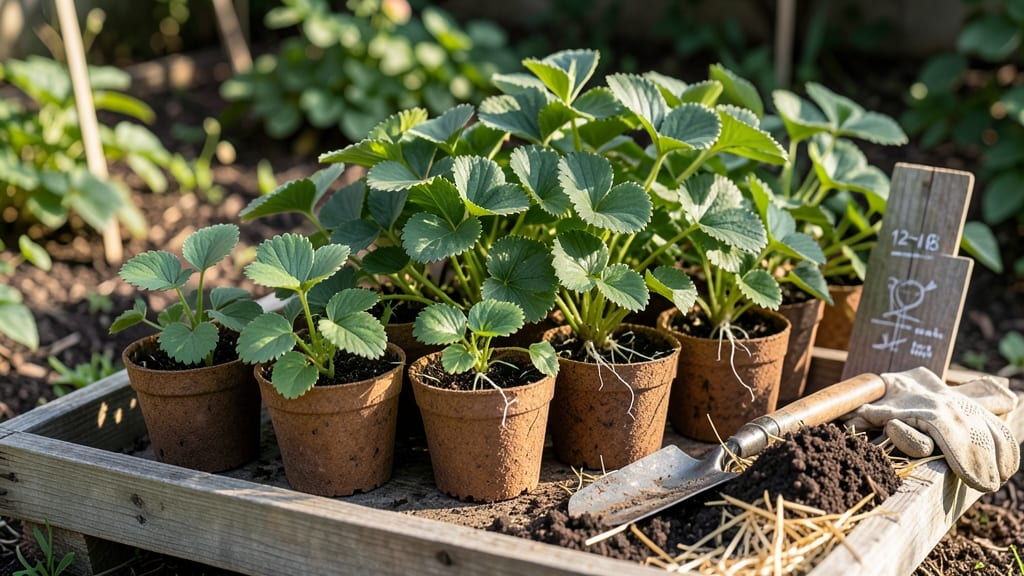
Planting strawberries in Michigan at the wrong time can turn your sweet dreams into a bitter disappointment—especially when unpredictable frosts lurk around every corner.
Whether you're growing June-bearing varieties for a summer feast or everbearing types for extended harvests, timing your 🍓 planting to match Michigan's chill-hours and frost patterns is the key to success.
Most gardeners in Zone 5b-6b know the struggle: too early, and frost zaps your tender plants; too late, and you miss the prime window for root establishment. But here's the secret—Michigan's climate actually gives you two ideal planting windows: early spring (March-April) and late summer/early fall (August-September).
I'll walk you through exactly when to plant for maximum yields, how to prepare your soil, and whether bare-root or potted strawberries work better in Michigan's climate.
Plus, I'll share my top tips for protecting young plants from late frosts so you can enjoy those juicy berries from June through September.
Ready to transform your garden into a strawberry paradise? Let's dive into the perfect planting schedule tailored just for Michigan gardeners like you.
Michigan strawberry planting calendar: chill-hours and frost timing explained
Michigan’s Zone 5b/6a climate means strawberries need precise timing to thrive. The key factor? Chill-hours—most varieties require 500–1,000 hours below 45°F to fruit well. If planted too early, young plants risk frost damage; too late, and they won’t mature before winter.
Let’s break down the ideal planting windows for both spring and fall, plus how to adjust for Michigan’s unpredictable frost dates.
For June-bearing strawberries (the most popular type), plant bare-root plants in early spring (late March to mid-April) or potted plants in late summer (August). Everbearing varieties (like ‘Seascape’) are more flexible, tolerating spring or fall planting.
The last average frost date in Michigan ranges from April 15 in southern regions to May 10 in the Upper Peninsula, so use local records to guide your schedule.
Soil temperature is just as critical as air temperature. Strawberries won’t thrive until the soil warms to 45°F or above. Use a soil thermometer to confirm—planting too early in cold soil can stunt roots.
Pro tip: Mulch with straw after planting to regulate soil temps and retain moisture during Michigan’s dry springs.
Here’s your Michigan strawberry planting timeline at a glance, including chill-hour requirements and frost risk windows:
Strawberry Planting Calendar for Michigan (Zone 5b/6a)
| Planting Window | Chill-Hours Needed | Soil Temp Requirement | Frost Risk | Best Varieties |
|---|---|---|---|---|
| Late March – Mid-April | 500–1,000 hrs | 45°F+ | High (use row covers) | Chandler, Honeoye, Jewel |
| August – Early September | 500+ hrs (overwinter) | 50°F+ | Low (established roots) | Seascape, Tristar, Albion |
Adjust dates 1–2 weeks later in the Upper Peninsula for safer frost-free planting.
Spring planting is the most common method, but fall planting offers advantages: fewer weeds, cooler soil, and a head start on root growth before winter. If you choose fall, aim to plant 6–8 weeks before the first frost (typically late August to early September).
This gives roots time to establish before dormancy, resulting in earlier and larger fruit the following year.
Michigan’s Upper vs. Lower Peninsula differences matter. Southern Michigan (e.g., Detroit, Kalamazoo) can plant 2 weeks earlier than northern areas (e.g., Traverse City, Marquette). For example, Traverse City’s last frost often hits May 15, while Ann Arbor’s is around April 25.
Check your local USDA frost map or use the Michigan State University Garden Hotline for precise dates.
One mistake many Michigan gardeners make? Planting bare-root strawberries too early without hardening them off. If you buy dormant crowns in early spring, soak roots for 30 minutes before planting, but wait until soil is workable (not soggy).
For potted strawberries, transplant them after May 15 to avoid late frosts—these are already hardened and ready to go.
Protecting young plants from late-spring frosts (common in Michigan’s Zone 5b) is non-negotiable. Use frost cloths or row covers until danger of frost passes. Even a 28°F night can kill tender new growth.
For extra insurance, plant in raised beds, which warm up faster in spring and drain better after heavy rains—critical in Michigan’s wet springs.
Remember: Strawberries planted in spring will fruit in June–July, while fall-planted varieties may produce a small crop the following August–September. Plan ahead if you want a year-round harvest by mixing both methods. For example, plant June-bearing ‘Chandler’ in spring and everbearing ‘Seascape’ in fall for a staggered harvest.
🍓
How to adjust strawberry planting for Michigan’s unpredictable weather patterns
Michigan’s unpredictable spring frosts and late snowfalls can turn a strawberry gardener’s plans upside down. But with the right adjustments, you can still get a bountiful harvest—even when Mother Nature throws curveballs.
The key is flexibility and preparation. Start by hardening off your plants if you’re transplanting after April 15, and always have row covers ready for sudden cold snaps.
For early spring planting (March-April), focus on bare-root strawberries and plant them as soon as the soil reaches 45°F. If you’re using potted plants, wait until after the last frost date (usually mid-April in the Lower Peninsula, later in the Upper Peninsula).
This timing ensures roots establish before the heat of summer arrives. Pro tip: Use a soil thermometer to confirm readiness.
Here’s how to protect your plants from late frosts, which can still hit after May 15 in some areas:
If you miss the spring window, don’t despair—fall planting (August-September) is a great backup. Plant 6-8 weeks before the first frost (usually mid-October) to give roots time to establish before winter.
Use straw mulch (3-4 inches thick) to insulate plants and prevent heaving during freeze-thaw cycles. This method often yields earlier spring harvests the following year.
For container gardening, move pots closer to the house or under a porch awning during cold snaps. Use heat mats under containers in early spring to extend the growing season. Just remember: Never let soil freeze—even for a few hours—during critical growth stages.
Finally, keep an eye on your local Michigan State University Extension updates for real-time frost advisories. Their frost-free date maps are invaluable for adjusting your planting schedule. With these strategies, you’ll turn Michigan’s unpredictable climate into an advantage—not a roadblock.