
Plants
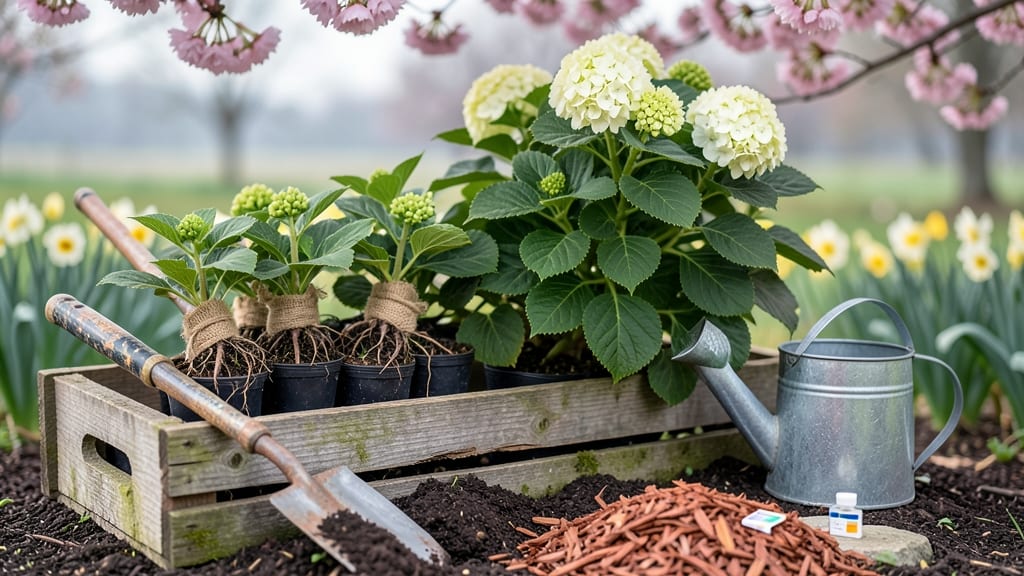
Planting hydrangeas in Michigan at the wrong time can mean the difference between vibrant blooms and struggling shrubs—especially when frost dates shift unpredictably between zones 5b and 6b.
The best window isn’t just about the calendar; it’s about soil warmth, last-frost averages, and whether you’re planting bare-root or in containers.
I’ve watched too many gardeners rush spring planting only to see their 🌸 hydrangeas wilt under late frosts, or delay fall planting until the ground hardens too soon. Michigan’s climate demands precision: too early, and roots freeze; too late, and your shrubs won’t establish before winter.
But here’s the good news—with the right timing, you can give your hydrangeas the strong start they need.
In this guide, I’ll break down the exact months to plant for your zone, how to prep soil for faster root growth, and why fall planting often works better than spring in Michigan’s unpredictable weather.
Whether you’re a first-time gardener or a seasoned pro, these tips will help you avoid common mistakes and set your hydrangeas up for years of lush color.
Ready to stop guessing and start growing? Let’s dive into the science-backed timing that’ll turn your Michigan garden into a hydrangea haven.
Michigan’s hydrangea planting timeline: frost dates by hardiness Zone (5-6)
Michigan’s USDA Zones 5b-6b create a unique challenge for hydrangea planting—too early, and a late frost can kill tender roots; too late, and your shrubs won’t establish before winter.
The average last frost date in most of Michigan falls between mid-April (Zone 5) and early May (Zone 6), but microclimates (like urban areas or lake-effect zones) can shift this by 2-3 weeks.
For bare-root hydrangeas, aim to plant as soon as the soil is workable—typically 2-3 weeks after the last frost. Container-grown plants, however, can handle slightly earlier planting since their roots are already established.
In Zone 5b, this usually means late April to early May, while Zone 6b gardeners can start as early as mid-April.
Soil temperature is just as critical as air temperature. Hydrangeas thrive when soil reaches 50°F (10°C). Use a soil thermometer to check—if it’s consistently above this threshold for 3-5 days, it’s time to plant.
In Michigan, this often aligns with late April to early May, but early springs (like 2021) can push timing to March.
Pro tip: Monitor your local almanac or use the Michigan State University Extension frost maps for real-time updates. For example, Detroit (Zone 6a) typically sees its last frost by April 20th, while Traverse City (Zone 5b) waits until May 5th. Adjust your schedule accordingly.
🌱
| Zone & Location | Last Frost Date | Ideal Planting Window | Soil Temp Threshold |
|---|---|---|---|
| Zone 5b (Northern MI, Upper Peninsula) | May 5th - May 15th | Late May (bare-root) / Early May (container) | 50°F (10°C) for 5 days |
| Zone 6a (Detroit, Grand Rapids) | April 15th - April 30th | Early April (container) / Mid-April (bare-root) | 50°F (10°C) for 3 days |
| Zone 6b (Southern MI, Ann Arbor) | April 1st - April 15th | Late March (container) / Early April (bare-root) | 50°F (10°C) for 3 days |
| Lake-effect zones (e.g., Marquette) | May 10th - May 20th | Late May (bare-root) / Early June (container) | 55°F (13°C) for 5 days |
If you’re planting bare-root hydrangeas, soak the roots in water for 1-2 hours before transplanting to revive them. Dig a hole twice as wide as the root ball but only as deep. Amend the native soil with compost or peat moss to improve drainage, as hydrangeas hate soggy roots.
In Zone 5, add a 3-inch layer of mulch after planting to insulate roots from late frosts.
For container-grown hydrangeas, timing is slightly more flexible. You can plant them 2-3 weeks earlier than bare-root varieties because their roots are already established. However, avoid planting in extreme heat (above 85°F/29°C), as this stresses young plants.
In Michigan, this usually means late April to early May for most regions.
One common mistake is waiting until June to plant, thinking the frost danger has passed. While this avoids frost risk, hydrangeas planted this late often struggle to establish roots before winter, leading to poor blooms or death in their first year.
Aim to get them in the ground by early June at the latest.
🌿
If you’re in a microclimate with delayed springs (like near the Great Lakes), consider raising beds or using black plastic mulch to warm the soil faster. Warmer soil speeds up root establishment, giving your hydrangeas a head start before Michigan’s humid summers arrive.
Just be sure to water deeply after planting—hydrangeas need 1-1.5 inches of water per week during their first growing season.
Finally, keep an eye on the 7-day forecast before planting. If a late frost warning pops up, delay planting by 1-2 weeks or use frost cloth to protect young plants.
In my Zone 6b garden, I’ve lost two hydrangeas to unexpected May frosts, so I now wait until after Mother’s Day (around May 10th) to be safe.
☀️
5 Signs your Michigan hydrangeas are ready to plant (and 3 mistakes to avoid)
Planting hydrangeas at the right time in Michigan isn’t just about checking a calendar—it’s about reading your garden’s cues. The soil temperature should consistently stay above 50°F (10°C) for at least a week.
Use a soil thermometer to confirm; hydrangeas hate cold feet! If your neighbor’s lilacs are blooming, it’s a green light for planting—these flowers signal safe frost-free conditions in most of Michigan.
Look for leaf emergence on deciduous trees like maples or oaks. When their buds swell and unfurl, your hydrangeas are ready. Another telltale sign? The ground feels spongy when pressed—no more rock-hard frost.
For container-grown hydrangeas, check the roots: if they’re snaking around the pot’s edges, they’re eager to stretch into Michigan’s soil.
Here’s a critical mistake many gardeners make: planting when the air temperature is warm but the soil is still cold. This stresses young roots. Another pitfall? Ignoring microclimates—urban areas warm up faster than rural spots, so adjust your timing accordingly.
And never skip amending clay-heavy Michigan soil with compost; hydrangeas despise soggy roots.
Timing isn’t the only trap—overwatering at planting is another common error. Hydrangeas need moisture, but waterlogged soil suffocates roots. Water deeply once after planting, then let the soil settle for a week before resuming regular care.
Also, avoid planting in full sun spots without afternoon shade; Michigan’s summer heat can scorch tender leaves.
For container-grown hydrangeas, the best time to plant is when you see new shoots emerging from the top of the root ball. This means the plant has already started its growing season and will establish faster than bare-root varieties.
If you’re unsure, dig a small hole nearby and check the soil temp—if it’s below 50°F (10°C), wait a week or two.
Pro tip: Plant bare-root hydrangeas as soon as you receive them—don’t let the roots dry out. Soak them in water for 1-2 hours before planting to revive any dormant roots.
And if you’re in Zone 5b, give yourself a 2-week buffer after the last frost date to account for late spring freezes. Your hydrangeas will thank you with vibrant blooms next summer! 🌸