
Trees
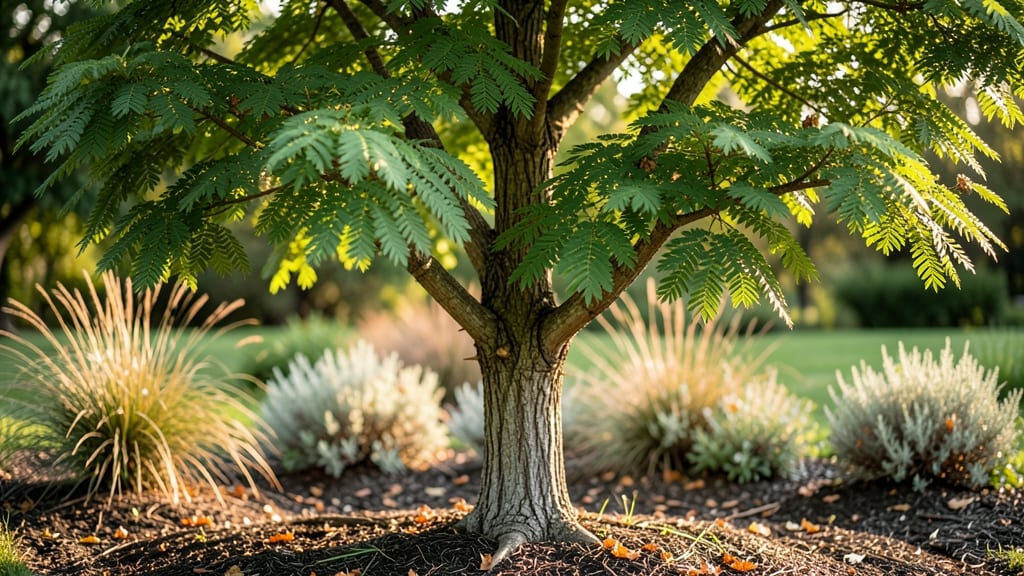
Planting a tree in Illinois at the wrong time can leave your 🌳 struggling to take root—especially in zones 5-6 where frost lingers well into spring and arrives early in fall.
You’ve probably heard that fall is ideal, but what about early spring? Both seasons offer advantages, but the key is understanding how Illinois’ climate affects root growth and survival rates.
Whether you’re planting a towering oak or a compact maple, timing makes all the difference between a thriving tree and one that barely makes it through its first winter.
Let’s break down the best planting windows—when to dig that hole for maximum success—and why some months are riskier than others. Spoiler: It’s not just about avoiding frost dates.
Ready to give your tree the best start? I’ll walk you through the science behind Illinois’ planting seasons, plus pro tips to set your sapling up for long-term strength.
Spring vs fall planting in Illinois: which season offers better root establishment?
When it comes to planting trees in Illinois, the two best windows are early spring (March–April) and fall (October–November). Both seasons offer unique advantages, but the optimal choice depends on your tree species, location, and climate zone.
Illinois spans USDA Zones 5–6, where frost dates can shift by weeks between northern and southern regions.
Fall planting is often preferred for most trees because cooler temperatures reduce transplant shock, while soil remains warm enough for root growth before the ground freezes. In contrast, spring planting gives trees a full growing season to establish roots before summer heat arrives.
Let’s break down the pros and cons of each season for Illinois gardeners.
🌳 Key Insight: Fall planting typically yields 30–50% higher survival rates than spring for deciduous trees, but evergreens may fare better in spring.
| Factor | Spring Planting (March–April) | Fall Planting (October–November) |
|---|---|---|
| Soil Temperature | 45–60°F (ideal for root growth) | 50–65°F (roots grow until frost) |
| Moisture Availability | Moderate (spring rains vary) | High (fall rains + cooler air) |
| Transplant Shock Risk | Higher (summer heat stress) | Lower (cooler temps reduce stress) |
| Best For Species | Evergreens (pines, spruces) | Deciduous (oaks, maples, elms) |
| Planting Deadline | Before May 15 (avoid drought) | Before November 15 (6 weeks before frost) |
For northern Illinois (Zone 5), aim to plant bare-root trees in early spring (March) or fall (October) to avoid late frosts.
Southern Illinois (Zone 6) can extend fall planting into early November, but monitor frost dates—Chicago’s average first frost hits around October 15, while Southern Illinois may see frost as late as November 1.
I recommend fall planting for most deciduous trees because the 6–8 weeks before frost allows roots to establish without competing with summer heat. For example, a red oak planted in October will develop a robust root system before dormancy, giving it a head start in spring.
However, evergreen trees like pine or spruce often struggle in fall due to winter desiccation. Plant these in early spring (March–April) to avoid dry winter winds that can damage their needles.
Container-grown trees are more flexible and can be planted anytime soil is workable, even in late fall or early spring.
Pro tip: Use a soil thermometer to check if soil temps are above 40°F before planting in spring or below 60°F in fall. If temps are too cold, roots won’t grow—wait for the right window.
Regardless of season, avoid planting during extreme heat or drought. In Illinois, summer planting (June–August) is risky unless you’re using drip irrigation and shade cloth to protect young roots. The best months are March–April (spring) and October–November (fall).
🌿 Regional Tip: Southern Illinois’ milder winters may allow December planting for container-grown trees, but northern areas should stick to October to avoid winter stress.
Critical factors to check before planting trees in Illinois (soil, weather, and tree species)
Before you dig that first hole, Illinois’ variable climate and heavy clay soils demand careful prep work. The USDA Zones 5-6 in Illinois mean frost dates shift yearly—always check your local last frost date (typically mid-April in most regions).
Planting too early risks frost damage, while waiting too late can stunt root growth before winter.
Start by testing your soil pH—most trees thrive in slightly acidic to neutral soil (6.0-7.5). Illinois’ clay-heavy soils often need organic matter like compost or aged manure to improve drainage.
Skip the amended soil in the planting hole itself—mixing it with native soil prevents root shock from sudden nutrient overload.
Choose your tree species wisely—Illinois natives like white oak or bur oak handle our climate better than tropical imports. Evergreens (e.g., eastern red cedar) need well-draining soil to avoid winter rot, while maples prefer moist but not soggy conditions.
Always match the tree’s mature size to your space—nothing worse than a 100-foot oak in a backyard garden!
⚠️ Common Planting Mistakes in Illinois
- Planting too early: Frost can kill tender roots (avoid before April 15 in most areas).
- Over-amending soil: Mixing compost into the hole disrupts root growth—focus on amending the surrounding soil.
- Ignoring windbreaks: Young trees need protection from winter winds—use burlap or temporary stakes.
- Skipping mulch: 3-inch mulch ring retains moisture and regulates soil temp (but keep mulch away from the trunk).
Pro Tip: Water deeply 1-2 weeks before planting to reduce transplant shock.
Timing also depends on tree type. Bare-root trees (like apple or cherry saplings) must go in during their dormant season—either late fall (October-November) or early spring (March-April).
Container-grown trees, however, are more flexible and can plant anytime soil isn’t frozen, including late summer for a head start before winter.
Pay attention to microclimates—southern Illinois (warmer, Zone 6) can plant 2-3 weeks earlier than northern areas (colder, Zone 5). Use the University of Illinois Extension’s frost date maps to pinpoint your exact window.
And remember: Fall planting (6-8 weeks before frost) gives roots time to establish before winter, while spring planting avoids drought stress during summer.
Finally, avoid planting during extreme weather. Hot, dry spells or heavy rains can stress young roots. If you must plant in summer, choose overcast days and water heavily afterward. For evergreens, late fall planting risks winter burn—opt for early fall (September) instead.