
Companion Plants
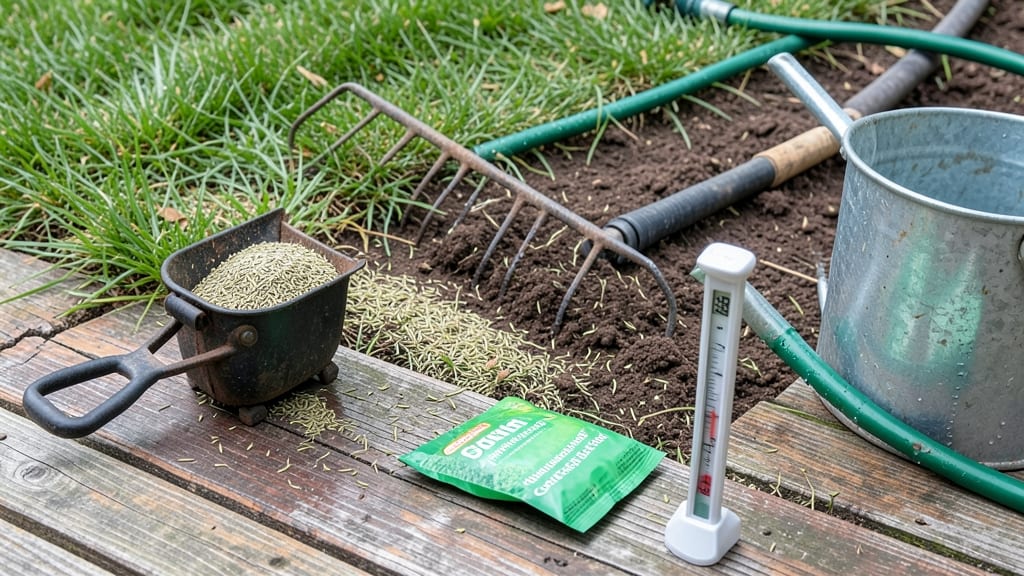
Planting your 🌱 grass seed in Minnesota at the wrong time can mean the difference between a lush, green lawn and a patchy, weed-infested mess. The key isn’t just picking a month—it’s understanding how frost, soil temperature, and even your specific climate zone play into the perfect window for success.
Most Minnesotans assume spring is the only time to plant, but early fall often gives grass a faster start with fewer weeds.
I’ll break down the exact months that work best for your region, whether you’re in the 3b chill of northern Minnesota or the slightly milder 5a of the south.
You’ll also discover how to check soil temperatures, choose the right seed for frost survival, and avoid common mistakes that derail even the best-laid plans. Let’s get your lawn off to the best possible start—no guesswork needed.
Ready to skip the trial-and-error? Here’s exactly when to plant for a lawn that thrives year after year, no matter what Minnesota throws at it.
Optimal Minnesota grass seed planting windows by region and climate Zone
Minnesota’s five USDA climate zones (3b-5a) create dramatic differences in frost dates and growing seasons. In Zone 3b (Northwest), like Duluth, your window is tight—plant late April to early May for spring or early September for fall.
Meanwhile, Zone 5a (Southeast), like Rochester, offers flexibility with March-April or September-October planting. These regional shifts mean your neighbor’s perfect timing might fail in your yard.
For spring planting, aim for 4-6 weeks before your last frost date—typically mid-April to early May in most of Minnesota. Soil temperatures should reach 50°F+ for consistent germination.
Use a soil thermometer to verify; cold, wet soil slows growth and invites fungal diseases. Fall planting is equally critical: seed 6-8 weeks before first frost (usually late August to mid-September) to allow roots to establish before winter.
Northern Minnesota (Zones 3b-4a) faces shorter seasons. Here, late August to early September is your only reliable fall window. Southern Minnesota (Zone 5a) can push planting into early October, but avoid seeding after October 15th—new growth won’t harden off before winter.
Always check your local frost dates via the MN State Climatology Office for precision.
🌱 Minnesota Grass Seed Planting by Climate Zone
| Zone | Region Examples | Spring Window | Fall Window | Soil Temp Threshold |
|---|---|---|---|---|
| 3b | Duluth, International Falls | Late April–Early May | Early Sept | 50°F+ |
| 4a | Minneapolis, St. Cloud | Mid-April–Early May | Late Aug–Early Sept | 50°F+ |
| 4b | Rochester, Mankato | Early April–Mid-May | Sept–Early Oct | 48°F+ |
| 5a | Winona, Albert Lea | March–Early April | Sept–Mid-Oct | 45°F+ |
⚠️ Pro Tip: Use a soil thermometer to confirm readiness—seed won’t germinate below 45°F.
Microclimates add another layer of complexity. South-facing slopes warm faster in spring, allowing earlier planting (as early as March in Zone 5a), while low-lying areas stay cold longer. Test your soil in multiple spots—if one area is 5°F colder, delay planting there by 2-3 weeks.
Shaded yards (common in wooded suburbs) also benefit from fall planting, as cooler temps reduce weed competition.
If you’re seeding in late spring (May-June), prioritize fast-germinating varieties like perennial ryegrass to outpace weeds. But expect thinner coverage—summer heat stresses seedlings. For fall planting after October 1st, use a winterizer fertilizer to boost root growth before dormancy.
Always water deeply (1 inch) to encourage deep roots before frost.
Timing isn’t just about months—it’s about weather patterns. Check the 7-day forecast for stable temps (no freezing nights) after planting. In 2023 alone, late April frosts in Zone 4a delayed germination
How to time grass seed planting for maximum frost survival and weed competition
Timing your grass seed planting in Minnesota isn’t just about picking a month—it’s about outsmarting frost and weed competition. Seedlings need soil temperatures above 50°F to germinate, but they’ll die if exposed to hard frosts.
The sweet spot? Plant when daytime highs hit 60°F+ and nighttime lows stay above 40°F. This usually lands in late April to early May for spring or mid-September to early October for fall.
For frost survival, aim to establish roots 4-6 weeks before the average first frost date. In Minnesota, this means September planting gives your grass time to strengthen before winter. Spring planting? Start seeds 6 weeks before your last frost date—typically mid-April in southern MN or early May in the north.
Here’s the critical rule: Never plant when weeds are already thriving. Weeds like crabgrass and chickweed germinate faster than grass seed, so planting too late in spring (after May 15) gives them a head start. Fall planting avoids this by outpacing weeds before they sprout in spring.
⚠️ Common Mistake: Planting Too Early
Planting in March or early April risks frost damage to tender seedlings. Soil may warm up, but nighttime temps can still drop below 32°F. Wait until daytime highs consistently reach 60°F+—usually late April—to ensure survival.
To check if your soil is ready, use a soil thermometer—plant when temps hit 50°F+ at a 4-inch depth. Pro tip: Morning soil temps are the most reliable indicator. If your thermometer reads 45°F or lower, wait another week. Patience here means thicker, healthier grass down the road.
Pre-planting prep is just as critical. Clear debris, loosen soil to 3-4 inches deep, and level the area to prevent water pooling. Add compost or peat moss to improve drainage, especially in heavy clay soils common in Minnesota.
This step cuts down on waterlogged roots and fungal diseases that thrive in damp conditions.
Once planted, keep soil consistently moist (not soggy) for the first 2-3 weeks. Water lightly in the morning to avoid evening dampness, which invites disease. After germination, reduce frequency but increase depth—1 inch per week—to encourage deep root growth.
With the right timing and care, your lawn will outcompete weeds and survive Minnesota’s harsh winters.