
Plants
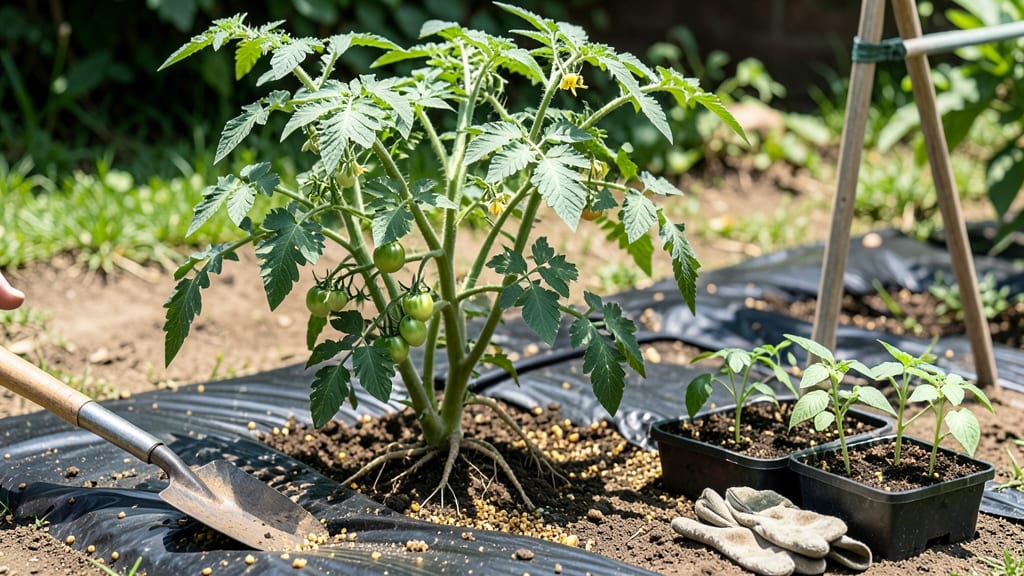
Planting tomatoes in Indiana at the wrong time could mean the difference between a bountiful harvest and a sad, frost-nipped disappointment. With Indiana's unpredictable spring weather, knowing the exact window to get your 🍅 seedlings in the ground is everything.
Most gardeners wait until after the average last frost date—around April 15 in Zone 6a—but that’s just the starting point. Soil temperature matters just as much: wait until it hits 60°F before planting, or your tomatoes will struggle to thrive.
And if you’re in northern Indiana, like Lake County, you might need to push back even further to avoid late frosts.
This guide breaks down the best planting times for your specific county, plus smart strategies to adjust for Indiana’s unpredictable weather. Whether you’re starting seeds indoors or transplanting seedlings, you’ll learn how to maximize your growing season and avoid common mistakes that waste time and effort.
Ready to grow tomatoes that actually ripen? Let’s dive into the exact dates, varieties, and backup plans that work for Indiana’s climate—so you can enjoy homegrown 🍅 from July through October without the guesswork.
Indiana’s last-frost dates by county: your planting timeline
Indiana’s diverse climate zones (USDA Zones 5-6) mean your tomato planting window depends on where you live. The average last frost date ranges from early April in southern Indiana to mid-May in the northern tier.
For optimal tomato growth, aim to plant 2-3 weeks after your county’s last frost date.
Northern Indiana (e.g., Lake County) has later frosts, while southern Indiana (e.g., Dubois County) warms up faster. Soil temperature is just as critical—wait until it reaches 60°F (15°C) before planting. Nighttime temps should stay above 50°F (10°C) to prevent frost damage.
🌱
| County | Avg. Last Frost | Planting Window | Notes |
|---|---|---|---|
| Lake County | May 10 | May 15–June 1 | Cool nights; use row covers. |
| Marion County | April 25 | April 30–May 15 | Moderate climate; ideal for heirlooms. |
| Dubois County | April 10 | April 15–May 1 | Early start; watch for heat stress. |
| Vigo County | td style="padding: 10px; border-bottom: 1px solid #74d3d4;">April 20April 25–May 10 | Humid; prioritize disease-resistant varieties. | |
| LaPorte County | May 5 | May 10–May 25 | Late frost risk; use black plastic mulch. |
For northern Indiana, like Lake or LaPorte County, consider starting seeds indoors in March for a 6-week head start. Transplant seedlings outdoors after Memorial Day to avoid frost. In southern Indiana, you can direct-sow seeds in late April or transplant 4-week-old seedlings in mid-April.
Use the Indiana State Climate Office for real-time frost alerts. Their historical data helps adjust planting dates yearly. For example, 2022’s late frost in May delayed plantings by 2 weeks in Elkhart County.
If you’re unsure about your last frost date, check the National Weather Service or local Purdue Extension office. They provide county-specific frost maps updated annually. Pro tip: Plant cold-hardy varieties like ‘Stupice’ or ‘Mountain Merit’ if frost lingers past average.
🌿
Remember, Indiana’s growing season is only 165 frost-free days on average. To maximize your tomato harvest, choose early-maturing varieties (e.g., ‘Early Girl’ or ‘Cherry Tom’) or use black plastic mulch to warm soil faster. This extends your planting window by 1-2 weeks in cooler regions.
For urban gardeners, container planting lets you delay outdoor exposure until soil warms. Place pots near south-facing walls to absorb heat during the day. Heat-loving varieties like ‘Solar Fire’ thrive in containers and can be moved indoors if frost threatens.
How to adjust your planting schedule for Indiana’s unpredictable weather
Indiana’s weather can be as unpredictable as a spring shower—one day it’s 60°F, the next it drops back to 32°F. To protect your tomato plants, I’ve learned to hedge my bets with a mix of soil warming, cold-hardy varieties, and flexible planting dates.
Start by checking the Indiana State Climate Office for your county’s 10-year frost averages—they’re more reliable than guessing.
If you’re planting in northern Indiana (Zones 5a-5b), like in Lake or Porter County, aim for May 1-15 after the last frost. But if you’re in southern Indiana (Zones 6a-6b), such as Vanderburgh or Gibson County, you can start as early as April 15-30.
The key is soil temperature, not just air temperature—use a soil thermometer to confirm it’s hit 60°F.
🌱
For extra insurance, I plant two batches: one 4-6 weeks before the last frost (under row covers) and another 2 weeks after the average date.
This succession planting ensures a continuous harvest, even if one batch fails. Cold-hardy varieties like ‘Mountain Merit’ or ‘Glacier’ can handle light frosts down to 28°F, giving you a safety net.
If you’re starting seeds indoors, begin them 6-8 weeks before your last frost date. Use grow lights to avoid leggy seedlings, and harden them off for 7-10 days before transplanting. Pro tip: Pre-warm seedling trays on a sunny windowsill or under a heat mat to jumpstart growth.
Finally, keep an eye on the 10-day forecast—if a late frost is predicted, cover plants with frost blankets or even old bedsheets. I’ve saved entire batches this way! The goal is to maximize your growing season without gambling on Mother Nature’s whims.
☀️