
Plants
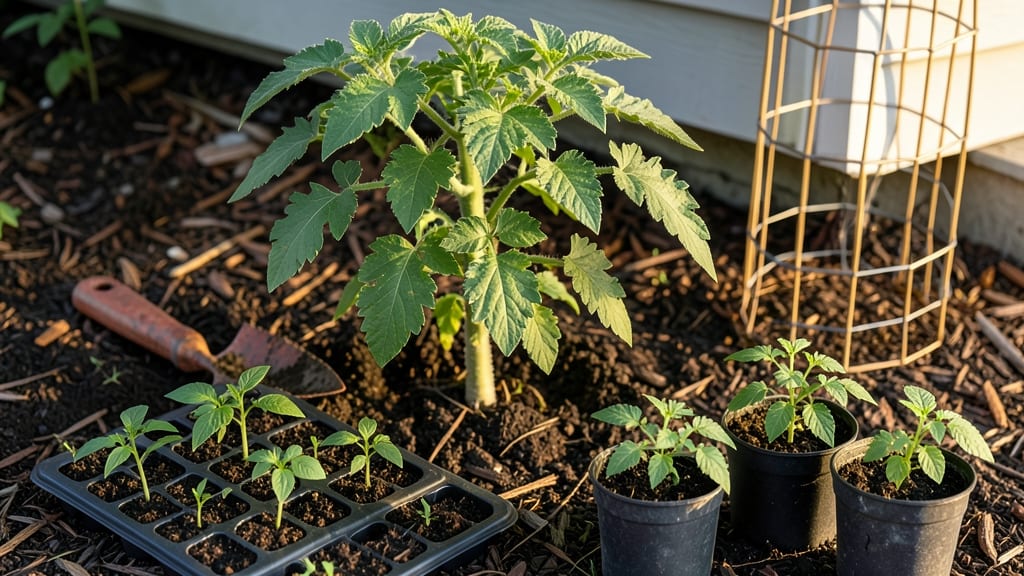
When should you plant tomatoes in Missouri? Timing your tomato planting in the Show-Me State could mean the difference between a juicy, vine-ripened harvest and a sad, frost-nipped disappointment. The ideal window—after the last frost but before summer heat sets in—isn’t just a guess; it’s a science backed by local climate data and years of gardener experience.
Missouri’s USDA Zones 5b-6a demand patience, especially when you’re itching to get those 🍅 seedlings in the ground. Planting too early risks frost damage, while waiting too long might cut your harvest short.
I’ll break down the exact dates, soil temperature thresholds, and pro tips to give your tomatoes the best possible start.
Whether you’re growing in containers or in-ground plots, understanding the nuances of Missouri’s microclimates—from St. Louis to Kansas City—will help you avoid common mistakes. Let’s dive into the perfect planting schedule and strategies to maximize your yield.
From hardening off seedlings to choosing the right varieties for your region, you’ll learn how to turn your garden into a tomato powerhouse. Ready to grow the best crop of your life? Let’s get started.
Missouri’s tomato planting zones: last frost dates by region
Missouri’s USDA Zones 5b–6a mean last frost dates can vary by 2–3 weeks across the state. St. Louis and Columbia typically see their final frost around April 15–20, while Kansas City and northern regions like Kirksville may wait until May 1–5.
These dates are critical for heat-loving tomatoes like 'Celebrity' or 'Better Boy,' which cannot tolerate frost.
For safe transplanting, wait until nighttime temperatures stay above 50°F and soil warms to 60°F. This usually aligns with mid-to-late May for most of Missouri, but microclimates matter. South-facing slopes or urban areas may warm 1–2 weeks earlier than rural fields.
Here’s a region-specific breakdown of last frost dates and ideal transplant windows for Missouri’s most popular tomato varieties:
| Region | Avg. Last Frost | Safe Transplant Window | Best Varieties |
|---|---|---|---|
| St. Louis | April 15–20 | May 1–15 | 'Celebrity,' 'Better Boy' |
| Columbia | April 20–25 | May 5–20 | 'Brandywine,' 'Solar Fire' |
| Kansas City | April 25–May 1 | May 10–25 | 'Mountain Merit,' 'Heatmaster' |
| Northern MO (Kirksville) | May 1–5 | May 15–30 | 'Stupice,' 'Early Girl' |
*Sources: Missouri State Climate Office (2010–2023), University of Missouri Extension
If you’re starting seeds indoors, begin 6–8 weeks before your region’s last frost date. For example, St. Louis gardeners should sow seeds by March 15, while northern Missouri growers may wait until April 1. Use grow lights or a sunny windowsill to ensure strong seedlings before transplanting.
For container gardening, warm soil faster by placing pots on black plastic mulch or using self-heating seedling mats. Containers also let you move plants indoors if frost threatens, giving you an extra 2–3 weeks of growing time.
Missouri’s fall frost typically arrives around October 15, leaving a 165-day frost-free window. This means late summer plantings (August 1–15) can still yield tomatoes by September–October, especially with heat-tolerant varieties like 'Solar Fire' or 'Heatmaster'.
Pro tip: Check the University of Missouri Extension’s Frost/Freeze Forecast for real-time updates. Their local agricultural agents provide hyperlocal advice tailored to your county’s microclimate.
Remember, soil temperature matters more than air temperature. Use a soil thermometer to confirm 60°F+ before planting. Cold soil slows root growth and increases disease risk, especially for indeterminate varieties that need consistent warmth to thrive.
🌱
Tomato varieties for Missouri’s short vs. long seasons: early vs. late planting strategies
Missouri’s short growing season demands smart choices when selecting tomato varieties. Determinate types like 'Mountain Merit' or 'Roma' thrive in cooler springs, while indeterminate varieties such as 'Better Boy' need warmer conditions to flourish.
Your planting timeline should match the variety’s tolerance for Missouri’s 50–70 day frost-free window in most regions.
For early spring planting (before May 15), opt for cold-hardy varieties like 'Stupice' or 'Glacier', which can handle 50°F nighttime temps. These determinate tomatoes produce fruit quickly—ideal for short-season gardens in northern Missouri (USDA Zone 5b).
In contrast, indeterminate varieties like 'Brandywine' or 'Cherokee Purple' require consistent warmth and longer seasons, making them better for southern Missouri (Zone 6a) or extended-season setups.
🌱 Early vs. Late Tomato Varieties for Missouri
- Variety: Stupice
- Type: Determinate
- Days to Harvest: 50–60
- Best For: Short seasons, cold snaps
- Variety: Solar Fire
- Type: Indeterminate
- Days to Harvest: 70–80
- Best For: Heat tolerance, fall harvests
- Variety: Mountain Merit
- Type: Determinate
- Days to Harvest: 60–65
- Best For: Reliable yields, disease resistance
- Variety: Early Girl
- Type: Indeterminate
- Days to Harvest: 55–65
- Best For: Staggered harvests, extended seasons
If you’re aiming for a fall harvest, plant heat-tolerant varieties like 'Heatmaster' or 'Solar Fire' between August 1 and September 1. These indeterminate tomatoes can handle Missouri’s late-summer heat and produce fruit until the first frost (typically mid-October).
For succession planting, sow 'Early Girl' or 'Patio' every 2–3 weeks starting in early May to ensure a continuous supply of tomatoes throughout the summer.
One common mistake is planting indeterminate varieties too early, which can stunt growth if nighttime temps dip below 55°F. Instead, start these in late May when soil temperatures consistently stay above 60°F.
For determinate types, you can plant as early as mid-April in protected microclimates (e.g., near south-facing walls or under row covers), but always monitor frost forecasts via the National Weather Service or University of Missouri Extension.
For container gardening in Missouri, choose compact varieties like 'Tiny Tim' or 'Balcony Red'. These thrive in 5-gallon pots and can be planted 2–3 weeks later than in-ground tomatoes since containers warm up faster.
Just ensure your containers are in a sunny, sheltered spot to avoid temperature swings that stress plants.
Pro tip: Use black plastic mulch to warm soil faster and straw mulch to retain moisture—critical for Missouri’s unpredictable rainfall. This simple trick can shave 1–2 weeks off your time-to-harvest and protect young plants from soilborne diseases like early blight. 🌱