
Plants
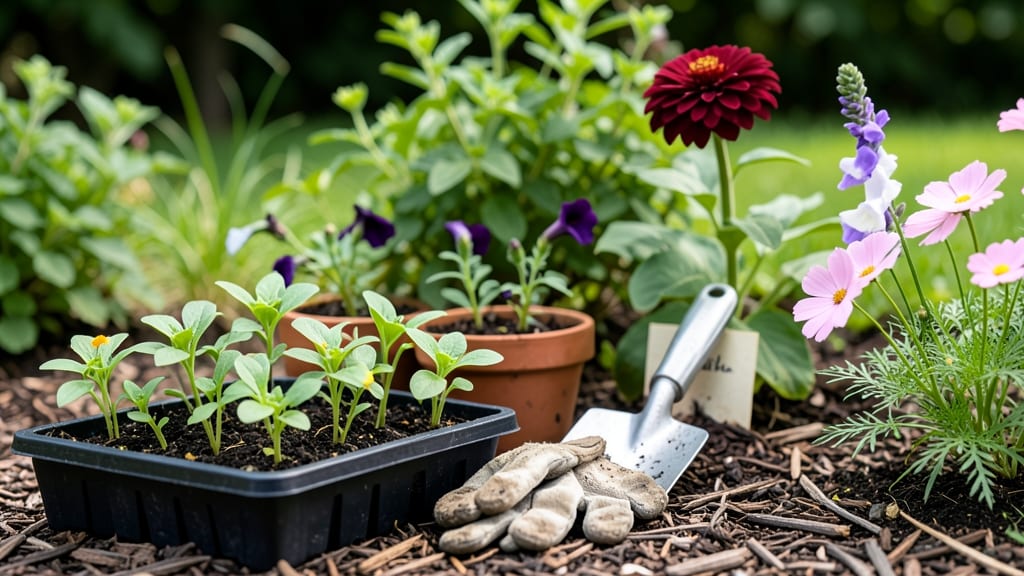
Knowing when to plant annuals in Missouri can feel like playing a game of chance—one wrong move and your 🌸 annuals wilt before they even bloom.
But here’s the secret: the key to vibrant gardens lies in knowing exactly when to plant for your zone, whether you’re growing frost-tolerant pansies or heat-loving zinnias.
Missouri’s 5b-6b climate throws curveballs with unpredictable frost dates and scorching summers, but mastering the planting calendar means you’ll skip the guesswork.
From cool-season blooms that thrive in early spring to summer varieties that need perfect timing, I’ll break down the best months for each—plus how to adjust for St. Louis’ urban heat or rural microclimates.
You’ll learn when to prep soil for mid-April plantings, why late July is your second chance for fall blooms, and how to avoid transplant shock in 90-degree heat.
Whether you’re a container gardener in the city or a backyard farmer in the Ozarks, these insights will help you grow annuals that thrive, not just survive.
Let’s dive into the month-by-month guide that’ll turn your Missouri garden from “meh” to “wow”—without waiting for the perfect (nonexistent) weather window.
Missouri planting calendar: best months for cold-hardy annuals by region
Missouri’s USDA Zones 5b-6b mean cold-hardy annuals like pansies and snapdragons can thrive if planted at the right time. The key? Waiting until after the average last frost date, which varies by region—April 15 in St. Louis but mid-May in rural northern Missouri.
These frost-tolerant beauties love cooler weather, so spring and fall are their prime seasons.
For St. Louis gardeners, aim to plant cool-season annuals between mid-April and early May, while Kansas City can start slightly later (late April to early June).
Rural areas in the Ozarks may need to wait until early June to avoid late frosts. Always check your local frost-free date—it’s your planting cue!
Soil prep is critical. Amend your garden beds with compost or aged manure in early spring (March) to improve drainage and fertility. Cold-hardy annuals prefer well-draining, slightly acidic soil (pH 6.0-7.0). Add a 2-inch layer of mulch after planting to retain moisture and regulate soil temperature.
Here’s how three Missouri regions differ in planting windows for cold-hardy annuals:
| Region | Last Frost Date | Best Planting Window | Top Cold-Hardy Annuals | Soil Prep Tip |
|---|---|---|---|---|
| St. Louis (Zone 6a) | April 15 | Mid-April to early May | Pansies, Sweet Alyssum, Lobelia | Add compost; test pH (aim for 6.5) |
| Kansas City (Zone 5b-6a) | April 25 | Late April to early June | Snapdragons, Calendula, Dianthus | Use raised beds for cooler microclimates |
| Rural Ozarks (Zone 5b) | May 10 | Early June | Stock, Candytuft, Iceland Poppy | Mulch heavily to protect from late frosts |
Don’t overlook fall planting for cold-hardy annuals! Many varieties, like pansies and calendula, thrive when sown 6-8 weeks before your first frost (typically late July to early September in Missouri).
This gives them time to establish roots before winter sets in. Just be sure to protect young plants with row covers if early frosts arrive unexpectedly.
Urban gardeners in container gardens can extend planting windows by using black plastic mulch or heat mats to warm soil earlier. Containers also warm up faster, so you can start 2-3 weeks earlier than in-ground plantings. Just ensure containers have drainage holes to prevent root rot.
Watch for late-spring frosts, which can still hit Missouri into early May. Use frost cloth or row covers on nights when temperatures dip below 32°F. These simple protections can save your tender seedlings from frost damage and give them the head start they need.
For best results, pair cold-hardy annuals with perennials that emerge early, like heuchera or hostas. This creates a low-maintenance, long-blooming display from spring through fall. Just remember: deadhead spent blooms regularly to encourage continuous flowering.
Missouri’s humidity and heat can stress cold-hardy annuals by midsummer. If your plants start looking wilting or leggy, provide afternoon shade and increase watering frequency. A light mulch layer will also help retain moisture during dry spells.
🌱
Heat-loving annuals in Missouri: when to plant for summer blooms without wilting
Missouri’s summer heat can be brutal on annuals, but zinnias, marigolds, and cosmos thrive when planted at the right time. The key is avoiding transplant shock from late spring heatwaves and giving them enough time to establish roots before the dog days of July.
In most of Missouri (USDA zones 5b-6b), your window is tight: late April to early June for direct-sown seeds or after May 15 for transplants.
Urban gardeners in St. Louis or Kansas City can push plantings slightly later due to the urban heat island effect, but rural areas like the Ozarks should start earlier.
Always check your local last frost date—planting marigolds too late (after June 1) risks them bolting (flowering too quickly) or struggling with powdery mildew from Missouri’s humidity.
🚨 CRITICAL WARNING: Planting heat-loving annuals after June 15 in Missouri often leads to stunted growth or poor blooming. The soil stays warm, but the plants can’t keep up with the 90°F+ temperatures.
If you miss the window, opt for shade-tolerant varieties like begonias or impatiens for partial shade spots.
⚠️ Too Late? Don’t Panic—Try These Fixes
Problem: Planted after June 1? Your annuals may struggle.
- ✅ Shade cloth: Use 30-50% shade to reduce stress.
- ✅ Deep watering: 1–2 inches weekly, early morning.
- ✅ Mulch: Retain moisture and cool roots (2–3 inches).
- ✅ Succession plant: Sow fast growers like bachelor’s buttons every 2 weeks.
🌡️ Pro Tip: Monitor soil temp—ideal for warm-season annuals is 70–85°F.
For succession planting, start a second round of cosmos or sunflowers in late July to extend blooms into fall. These varieties handle Missouri’s late-summer heat better than others. Just avoid planting tomatoes or peppers after August 1—they won’t mature before frost.
Missouri’s humidity (especially in the Bootheel) demands extra care. Space plants 12–24 inches apart for airflow and avoid overhead watering. Drip irrigation or soaker hoses keep foliage dry, preventing fungal diseases like downy mildew that plague zinnias in sticky heat.
Protect young seedlings with row covers if nighttime temps dip below 50°F after planting. Once established, these annuals will reward you with nonstop color from June to October. Just remember: patience is key—rushing plantings in Missouri’s heat rarely ends well.