
Plants
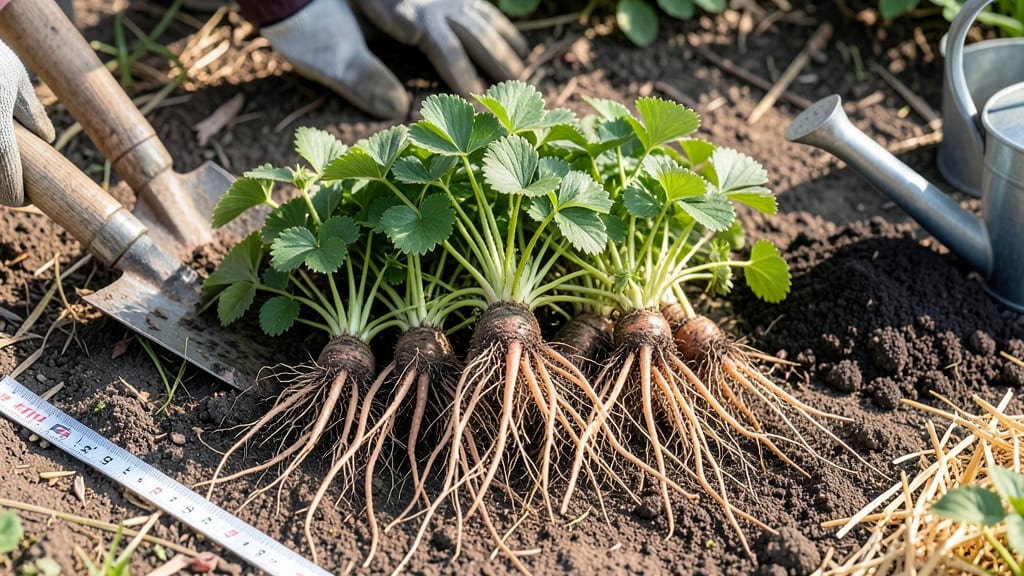
Planting bare root strawberries at the wrong time in Zone 8 can mean the difference between a thriving harvest and struggling plants—here’s the exact window for optimal root growth and fruit production.
If you’ve ever wondered why some gardeners in Zone 8 get lush, productive 🍓 plants while others struggle, timing is the key.
The best months to plant bare root strawberries in your area aren’t just about avoiding frost—they’re about giving those roots the perfect chill and warmth cycle to establish strong before spring.
In Zone 8, you’ve got a two-month window to plant: late fall (November) or early spring (February). But there’s a catch—planting too late in winter or too early in spring can stress your plants.
I’ll break down the ideal timing, soil prep, and care tips so you can set your strawberries up for success.
Whether you’re a first-time gardener or a seasoned grower, these insights will help you avoid common mistakes and get the most out of your strawberry patch. Let’s make sure your plants take root—and your harvest is sweet!
Best planting months for bare root strawberries in Zone 8
In Zone 8, timing is everything when planting bare root strawberries. The key is to plant while the plants are still dormant but before the soil warms too much. This gives roots time to establish before the heat of summer arrives.
For most of Zone 8, the optimal window is between November and February, with December and January being the sweet spot for maximum root growth.
Zone 8’s mild winters mean you can plant later than in colder zones, but don’t wait too long. If you plant after mid-February, your strawberries may struggle to establish roots before the heat sets in, leading to weak plants and poor fruit production.
The goal is to align planting with soil temperatures below 60°F—this ensures roots grow steadily without stress.
One of the biggest advantages of planting in Zone 8 is the ability to choose between fall and winter planting. Fall planting (November) allows roots to establish before winter rains, while winter planting (December-January) avoids the heat stress of spring.
Both methods work well, but winter planting often yields stronger plants because the soil stays cool and moist longer.
Here’s a quick rule of thumb: Plant bare root strawberries in Zone 8 when your local last frost date is at least 6-8 weeks away. For most of Zone 8, this falls between November 15 and February 15.
If you’re in a cooler microclimate within Zone 8 (like higher elevations), you can push planting slightly later into February.
| Planting Window | Soil Temperature | Zone 8 Ideal Months | Root Establishment Risk |
|---|---|---|---|
| Early Dormancy (Fall) | 50-60°F | November | Low (roots establish before winter) |
| Mid Dormancy (Winter) | 40-55°F | December - January | Optimal (cool soil, minimal stress) |
| Late Dormancy (Early Spring) | 55-65°F | February (early) | Moderate (risk of heat stress if delayed) |
| Avoid | Above 65°F | March - April | High (roots struggle in heat) |
If you’re unsure about your exact planting window, use the soil temperature as your guide. Stick to planting when the soil is below 60°F—this is your best bet for strong root growth.
You can check soil temps with a simple thermometer or by feeling the ground; if it’s cool to the touch, it’s safe to plant.
Another pro tip for Zone 8 gardeners: If you’re in a warmer microclimate (like coastal areas or urban heat islands), aim for the earliest possible window (November). These areas warm up faster in spring, so planting later can stress your strawberries.
Conversely, if you’re in a cooler mountain area, you might extend planting into early February.
Once you’ve chosen your planting window, prepare your soil at least 2-3 weeks in advance. Amend it with compost or aged manure to improve drainage and fertility. Strawberries hate soggy roots, so well-draining soil is non-negotiable in Zone 8’s humid summers.
After planting, mulch heavily with straw or wood chips to keep roots cool and retain moisture.
Remember, the earlier you plant within the November-February window, the better your strawberries will perform. Plants established by December will have a head start on root growth and will be ready to fruit earlier in spring.
This means a longer harvest season and fewer issues with summer heat stress.
For best results, mark your calendar and plant bare root strawberries in Zone 8 by mid-February at the latest. This timing ensures your plants have 6-8 weeks of cool soil to establish roots before the heat of summer arrives.
With the right timing and care, you’ll be rewarded with juicy, homegrown strawberries all season long. 🍓
Best planting months for bare root strawberries in Zone 8
In Zone 8, timing is everything when planting bare root strawberries. The ideal window spans from late fall to early spring, specifically between November and February. This timing ensures roots establish before summer heat arrives, giving your plants a strong foundation for fruit production.
For optimal root growth, aim to plant between November 1st and January 31st. This period allows roots to settle in without competing with summer heat or winter freezes. March planting is possible but riskier due to rising temperatures, while February offers a balanced middle ground.
Zone 8’s mild winters create unique opportunities. Planting in late fall (November-December) lets roots establish before dormancy, while early spring (January-February) planting gives plants time to mature before summer heat peaks. Avoid planting after February 15th to prevent heat stress during root establishment.
| Planting Window | Soil Temp (°F) | Root Establishment | Best Varieties |
|---|---|---|---|
| Late Fall (Nov-Dec) | 45-55°F | Slow but steady | Jewel, Seascape |
| Early Spring (Jan-Feb) | 50-60°F | Rapid growth | Albion, Chandler |
| Late Spring (After Feb 15) | 60-70°F | Risk of heat stress | Day-Neutral (e.g., Tristar) |
Zone 8’s microclimates can shift planting windows slightly. Coastal areas with milder winters may extend the window into early March, while inland regions should stick to January or earlier. Always check your local last frost date (typically around January 15th in Zone 8) to avoid frost damage.
For day-neutral varieties, which produce fruit throughout the season, you can push planting to early March—but prioritize shade cloth during summer to protect plants from intense heat. June-bearing varieties, however, demand cooler soil temperatures for optimal root growth, making fall planting the best choice.
Monitor soil temperature before planting—ideal conditions range from 45°F to 60°F. Use a soil thermometer to confirm readiness. If temperatures exceed 65°F, delay planting until cooler conditions return to prevent root burn and stress.