
Plants
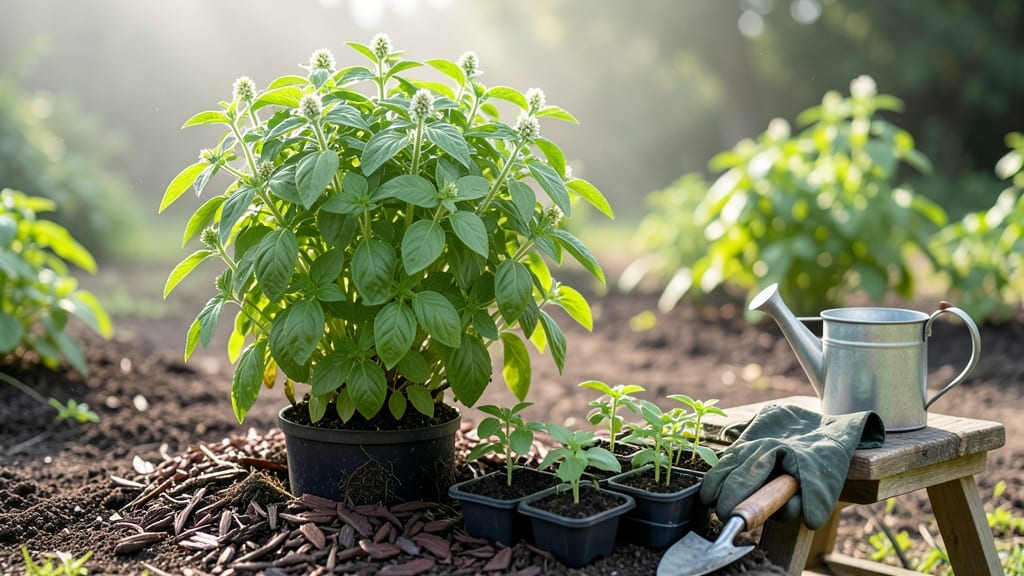
Timing your basil planting in Georgia wrong could mean tiny leaves or no harvest at all—but getting it right unlocks sweet, aromatic 🌿 harvests all season long. With Georgia’s 7a-8b climate, you’ve got two perfect windows: spring (after last frost) or fall (before cooler temps set in).
Miss either, and you’ll battle stunted growth or wilted plants.
I’ve grown basil here for years, and the difference between a thriving plant and a sad, leggy one comes down to one key factor: soil temperature. Too cold, and your basil won’t sprout; too hot, and it bolts before you even taste those first leaves.
Let me show you exactly when to plant for zero frost risk and peak flavor—plus how to adjust for your specific Georgia region.
Whether you’re a first-time gardener or a seasoned green thumb, this guide cuts through the guesswork. You’ll learn the exact months to transplant, how to prep your soil for maximum growth, and even how to stretch your harvest with simple tricks.
Ready to grow basil that tastes like a Southern summer?
Let’s dive into the perfect planting schedule—because in Georgia, timing isn’t just important; it’s everything. From coastal breezes to Piedmont heat, I’ll cover what works where so your basil thrives from seed to harvest.
Best planting months for basil in Georgia: frost-free timeline by region
Georgia’s diverse climate means your basil planting window varies dramatically from the Coastal Plain to the Mountains. In USDA zones 7a-8b, the last frost typically arrives between mid-March and early April, but microclimates can shift this by weeks.
For example, Savannah’s coastal zone often sees frost-free soil by early March, while the Blue Ridge Mountains may wait until mid-April.
Basil thrives when soil temperatures hit at least 50°F, but it’s heat-sensitive—transplanting in 90°F+ temperatures can shock roots. Aim for mid-April to early May for spring plantings, giving your basil 6-8 weeks of warm weather before summer’s peak.
For a fall harvest, late July to early August works best, allowing basil to mature before first frost (mid-November).
Here’s your region-specific planting timeline, including soil temp checks and frost risk:
| Region | Last Frost Date | Ideal Planting Window | Soil Temp Requirement | Frost Risk After Planting |
|---|---|---|---|---|
| Coastal Plain (Savannah, Brunswick) | Early March | Mid-March to early April | 50°F+ | Low (rare after March 15) |
| Piedmont (Atlanta, Macon) | Mid-March | Late March to early May | 55°F+ | Moderate (check forecasts) |
| Mountains (Blue Ridge, Dahlonega) | Mid-April | Late April to early June | 60°F+ | High (late frosts common) |
| Northwest (Rome, Dalton) | Early April | Late April to May | 55°F+ | Moderate (valley frosts possible) |
For fall basil, plant 8-10 weeks before first frost—typically late July to early August. This gives your plants 60-75 days to mature before temperatures drop.
In zone 8b (southern GA), you might squeeze in a second fall crop by planting in early September, but monitor weather closely.
Pro tip: Use a soil thermometer to confirm 50°F+ soil temps before planting. Cold soil delays germination, and basil seeds won’t sprout below 60°F. If your soil is still chilly, opt for transplants from a nursery—they’ll establish faster once temperatures rise.
Georgia’s humid summers can stress basil, so avoid planting during peak heat (June-August) unless you provide afternoon shade. Instead, focus on spring (April-May) or early fall (July-August) for the best balance of warmth and humidity control.
One common mistake? Assuming all of Georgia has the same frost dates. Elevation changes everything: Atlanta’s Piedmont zone might be frost-free by April 1, while 7,000-foot elevations in the north could see frost until May 15.
Check your local USDA zone map or ask your county extension office for precise dates.
For container gardening, you can push basil’s limits slightly. Potted basil warms up faster in spring and cools down slower in fall, giving you a 2-3 week extension on both ends of the season. Just ensure pots have drainage holes and use lightweight potting mix to prevent overheating.
Remember: Basil’s flavor peaks in cool weather but bolts (goes to seed) in heat. By planting at these optimal times, you’ll enjoy sweet, aromatic leaves all season long—no bitter surprises! 🌿
How to extend basil’s growing season in Georgia: starter tips for early/late planting
Georgia’s last frost dates vary wildly—from mid-March in Coastal regions to early April in the Piedmont. If you’re eager to grow basil earlier, you’ll need to protect young plants from unexpected chills.
The key is strategic timing and season-extending tools to give your basil a head start or a late-season boost.
For early spring planting, start seeds indoors 6-8 weeks before your area’s last frost date. Use grow lights to simulate sunlight, and transplant seedlings outdoors only when soil temps hit at least 50°F.
Hardening off (acclimating plants to outdoor conditions) for 7-10 days before transplanting cuts shock risks dramatically.
Here’s how to push basil’s limits in Georgia’s variable climate:
For late-season basil, aim to plant seeds directly outdoors in late July. Choose heat-tolerant varieties like ‘Genovese’ or ‘Spicy Globe’, which handle Georgia’s summer heat better than others. Mulch heavily to retain moisture and protect roots from temperature swings.
If you’re overwintering basil, move potted plants to a garage or sunroom before first frost. Reduce watering to every 2 weeks and prune back by 1/3 to conserve energy. With proper care, your basil can reboot in spring and produce even more vigorously.
Remember: Basil thrives on consistency. Whether you’re extending spring or delaying fall, the goal is to keep soil temps stable and protect leaves from cold stress. With these tricks, you’ll enjoy fresh basil year-round—or at least for 90% of Georgia’s growing season! 🌱