
Plants
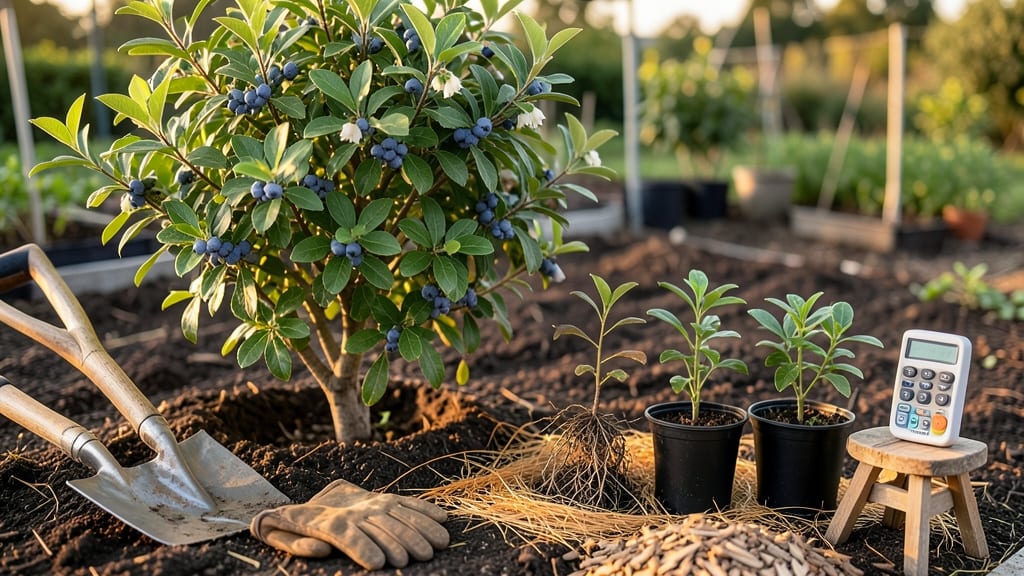
Planting blueberry bushes in Alabama at the wrong time means watching your 🫐 struggle—or worse, die—under the state’s brutal summer heat. The key to thriving Southern blueberries isn’t just about throwing plants in the ground; it’s about timing it right to avoid heat stress and maximize fruit production.
Alabama’s USDA zones 7a-8b create a unique challenge: late winters can still bring frost, while early springs heat up fast. That’s why the ideal window for planting—late February to early March—gives your blueberries time to establish roots before the real heat arrives.
Miss this, and you risk stunted growth or even plant failure.
I’ve seen gardeners in North Alabama (like in zone 7b) plant too early and watch their bushes wilt, while those in South Alabama (like zone 8b) wait too long and miss the best soil-moisture balance.
The difference? Knowing exactly when to dig in—and how to prep your soil for Alabama’s clay-heavy conditions.
In this guide, I’ll break down the exact timing, soil prep, and care steps to ensure your blueberry bushes thrive year after year. Let’s get started.
Best planting months for Alabama blueberries: zone-specific timing guide
Alabama’s USDA zones 7b-8b create a unique challenge for blueberry growers—too early, and you risk heat stress or drought damage; too late, and your bushes won’t establish roots before summer.
The ideal window for planting blueberries in Alabama is late winter to early spring, specifically February through March, when soil temperatures stabilize above 40°F (4°C).
Northern Alabama (Zone 7b) has slightly cooler springs, giving you a 2-3 week earlier planting window than Southern Alabama (Zone 8b). For example, Huntsville gardeners can plant as early as mid-February, while Mobile gardeners should wait until late March to avoid summer heat stress.
Fall planting is possible but riskier in Alabama due to early heat waves and irregular rainfall. If you choose fall, aim for October to early November, allowing 4-6 weeks before the first frost (mid-November) for root establishment. However, spring planting remains the safest bet for beginners.
Southern varieties like 'Climax', 'Powderblue', and 'Premier' thrive in Alabama’s heat but require cool root zones. Planting in early spring ensures roots stay cool while shoots harden off for summer. Avoid planting in April or later, as soil temperatures above 75°F (24°C) can stunt root growth.
Pro Tip: Use mulch immediately after planting to retain moisture and regulate soil temperature. A 3-inch layer of pine straw or wood chips works best for Alabama’s clay-heavy soils.
| Planting Window | Best For | Soil Temp | Risk Level |
|---|---|---|---|
| Mid-February to March | Northern Alabama (Zone 7b) | 40-60°F (4-15°C) | Low |
| Late March to early April | Southern Alabama (Zone 8b) | 50-65°F (10-18°C) | Medium |
| October to early November | Fall planting (riskier) | 60-70°F (15-21°C) | High (drought/heat risk) |
🌱 Note: Always check your local last frost date (varies yearly).
If you miss the optimal window, don’t panic—blueberries can handle bare-root planting in winter (December-January) as long as the ground isn’t frozen. However, container-grown bushes planted in late spring (May) may struggle with establishment due to Alabama’s intense summer heat.
For container gardening, plant anytime except during peak summer (June-August). Containers dry out faster in Alabama’s heat, so ensure your pots have drainage holes and use lightweight, acidic potting mix. Move containers to shadier spots during afternoon heat (12 PM - 4 PM).
After planting, water deeply (1-2 gallons) to settle roots and reduce air pockets. In Alabama’s clay soil, amending with organic matter (like compost or peat moss) improves drainage and water retention. Mulch again in early summer to lock in moisture during dry spells.
Remember: Patience is key—blueberry bushes take 2-3 years to bear fruit after planting. Proper timing now ensures healthier bushes and better yields in Alabama’s challenging climate. 🫐
How to prepare Alabama soil for blueberry bushes: pH, amendments, and mulching tips
Blueberries thrive only in acidic soil with a pH between 4.5 and 5.5—a challenge in Alabama’s naturally alkaline, clay-heavy soils. Without proper prep, your bushes will struggle to absorb nutrients, leading to poor growth and tiny, tart berries. Let’s fix that with science-backed steps tailored to Southern conditions.
First, test your soil’s pH using a digital meter or home test kit (available at garden centers). Alabama’s red clay soils often register 6.0 or higher, far too basic for blueberries. If your test confirms this, don’t panic—amendments like sulfur or peat moss can lower pH safely over time.
⚠️ CRITICAL STEP: Work 3–4 inches of organic matter (like pine bark fines or composted leaves) into the topsoil 4–6 weeks before planting. This improves drainage while gradually acidifying the soil. For faster results, mix in 1–2 pounds of elemental sulfur per 100 square feet and water thoroughly.
🌱 Step-by-Step Soil Prep Checklist
- Test pH: Aim for 4.5–5.5 (use a meter or kit).
- Amend with sulfur: 1–2 lbs per 100 sq ft if pH > 5.5.
- Add organic matter: 3–4" of pine bark fines or composted leaves.
- Loosen clay soil: Till to 12–18" deep to break compaction.
- Mulch heavily: 3–4" of pine straw to retain acidity.
Alabama’s clay soils drain poorly, so aeration is key. Rent a tiller or use a broadfork to loosen the soil to 12–18 inches deep, breaking up hardpan. This prevents waterlogging, which blueberries hate.
After tilling, rake the area smooth and create a mounded planting bed—blueberries despise "wet feet" and need slight elevation to avoid root rot.
Once planted, mulch is non-negotiable. Spread 3–4 inches of pine straw (not cedar chips, which can raise pH) around the base of the bush, keeping it 6 inches away from the stem.
This mulch layer mimics the acidic forest floor where blueberries evolved, while also suppressing weeds and retaining moisture during Alabama’s scorching summers.
Finally, feed your soil annually with an acid-loving plant fertilizer (like Espoma Blueberry Tone), applied in early spring and late summer. Avoid lime or wood ash—they’ll raise pH and ruin your bushes. With these steps, your Alabama soil will transform from a blueberry desert into a fruiting paradise!