
Plants
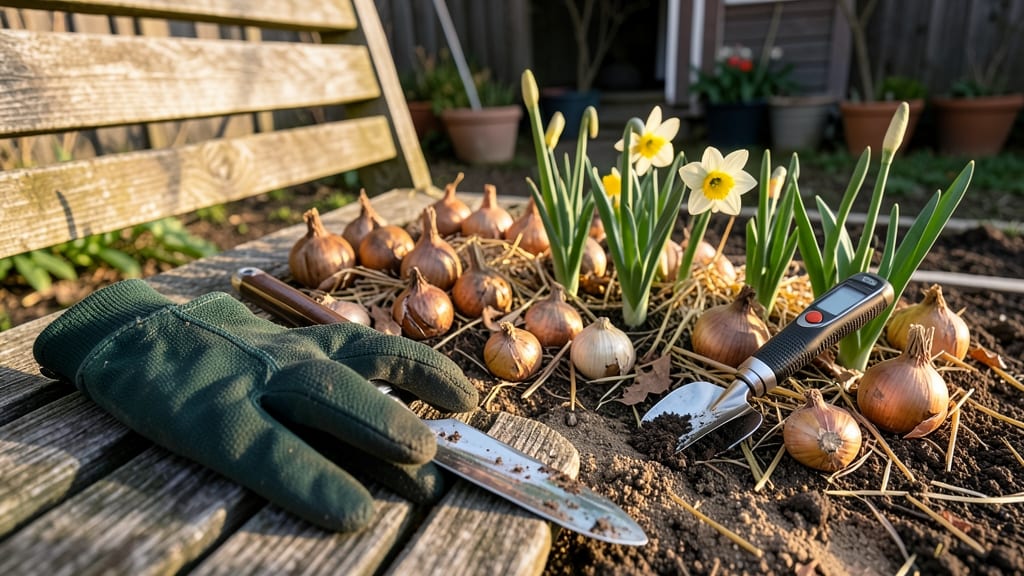
Planting bulbs in Kentucky isn’t just about sticking them in the ground—it’s about outsmarting the 6a-7a climate to guarantee those showstopping spring blooms. Whether you’re dreaming of 🌱 daffodils or bold hyacinths, timing matters more than you think, especially with Kentucky’s unpredictable frost dates.
Fall is your golden window for most bulbs, but spring planting can work too—if you play by the rules. I’ll break down the exact months to plant in Kentucky, from late October through early April, so you never miss a beat.
No more guessing games: just proven strategies to make your garden pop.
Here’s the secret: bulbs need time to root before winter hits, and Kentucky’s first frost around October 15th is your deadline. We’ll cover soil prep, depth tricks, and how to handle late freezes—so your tulips and crocuses wake up ready to shine.
Ready to transform your yard into a springtime masterpiece? Let’s dive into the month-by-month schedule that’ll have your bulbs thriving, no matter what Kentucky throws at them.
Kentucky’s frost zones & best months to plant spring vs fall bulbs
Kentucky’s USDA hardiness zones 6a-7a create a unique challenge for bulb gardeners—late frosts can ruin spring plantings, while early freezes demand precise fall timing. The key?
Planting bulbs 6-8 weeks before the first frost (typically October-November for spring bloomers) and avoiding spring planting in colder microclimates like the Appalachian foothills.
Most spring-flowering bulbs (tulips, daffodils, hyacinths) need cold stratification to bloom, so fall planting is ideal. Summer-blooming bulbs (like dahlias) go in late spring after frost danger passes. Kentucky’s average first frost falls around October 15, but mountain regions can freeze 2-3 weeks earlier.
Here’s how Kentucky’s zones break down for bulb planting:
| Zone | Ideal Planting Window | Key Bulbs | Frost Risk |
|---|---|---|---|
| 6a (Eastern KY) | Fall: Oct 1–Nov 15 Spring: Mar 15–Apr 15 |
Tulips, daffodils, crocus | High late frosts (Apr) |
| 6b (Central KY) | Fall: Sep 25–Nov 1 Spring: Mar 1–Apr 10 |
Hyacinths, alliums, grape hyacinths | Moderate (Apr 1–15) |
| 7a (Western KY) | Fall: Oct 15–Nov 30 Spring: Mar 10–Apr 20 |
Daffodils, snowdrops, fritillaries | Low (Apr 10–20) |
🌱 Pro Tip: Use mulch (3–4 inches) after fall planting to insulate bulbs from Kentucky’s temperature swings.
Spring planting in Kentucky works best for hardy bulbs like daffodils, which tolerate light frosts. However, tulips and hyacinths planted in spring may bloom poorly or not at all due to insufficient cold exposure.
For zone 6a gardeners, stick to fall planting unless you’re using pre-chilled bulbs from nurseries.
Kentucky’s soil moisture also plays a role—wet springs can rot bulbs planted too early. Aim to plant when soil temps hit 60°F in fall or 50°F in spring. Use a soil thermometer for accuracy, especially in low-lying areas prone to cold air pooling.
For summer-blooming bulbs (like dahlias), wait until after May 1 in most of Kentucky, or May 15 in cooler zones. These bulbs need warm soil to sprout and won’t survive frost, making late spring the only option.
If you’re in zone 7a, you can push fall planting into early December for early-blooming varieties, but avoid planting after November 30—roots won’t establish before winter sets in. Deer pressure is another Kentucky factor; plant daffodils (deer-resistant) in high-traffic areas.
Finally, test your soil’s drainage before planting. Kentucky’s clay-heavy soils in areas like Louisville and Lexington can suffocate bulbs. Amend with compost or sand to prevent rot. Well-draining soil is non-negotiable for bulb longevity.
With these zone-specific deadlines and soil prep tips, your Kentucky bulb garden will thrive—no frost-related surprises included! 🌷
Step-by-step fall planting schedule for Kentucky’s coldest regions
Fall is the critical window for planting spring-flowering bulbs like tulips and daffodils in Kentucky’s USDA zones 6a-7a. The goal? Plant 6-8 weeks before the first hard frost—typically mid-October to early November—to give roots time to establish before winter.
In colder microclimates (like the Appalachian foothills), aim for late September to beat early freezes.
Start by testing your soil pH—bulbs thrive in neutral to slightly acidic soil (6.0-7.0). Amend heavy clay (common in Western Kentucky) with compost or sand to improve drainage.
Avoid fresh manure, which can burn delicate roots. Choose a sunny spot with well-draining soil, even if it’s partial shade for summer-blooming varieties like alliums.
📅 Month-by-Month Fall Planting Checklist
- 🌱 Late August–Early September (Zones 6a): Plant crocuses and snowdrops—they need less time to root. Use 3-inch depth.
- 🌿 Mid-September (Zones 6a-7a): Add bone meal (1 tbsp per bulb) for phosphorus to boost root growth. Plant tulips and hyacinths at 6-inch depth.
- 🍂 October (All Zones): Focus on daffodils and alliums. Space bulbs 3x their width apart (e.g., 6-inch spacing for tulips). Mulch with 2–3 inches of straw after planting.
- 🌡️ November (Zones 7a): Plant late-blooming varieties (e.g., fritillaries) if soil is still workable. Avoid planting if ground temps drop below 40°F.
⚠️ Pro Tip: Mark bulb beds with stakes or flags to avoid disturbing them in spring!
Depth matters! Plant bulbs twice as deep as their height (e.g., 6-inch bulbs go 12 inches deep). In heavy clay soils, add a 1-inch layer of grit at the bottom of the hole to prevent rot.
For woodland gardens (common in Eastern Kentucky), opt for shade-tolerant bulbs like grape hyacinths or bleeding hearts.
After planting, water deeply to settle soil around roots. In drought-prone areas (like Western Kentucky), install drip irrigation on a timer to keep soil moist but not soggy. A 3-inch mulch layer of pine straw or shredded leaves insulates bulbs from temperature swings and suppresses weeds.
Kentucky’s late frosts (often mid-April) can damage emerging shoots. Protect delicate bulbs like tulips with a light frost cloth if temps dip below 28°F. For container-grown bulbs, move pots to a sheltered porch or garage during extreme cold snaps.
Remember: Patience pays off—bulbs need 6–8 weeks of chilling to bloom reliably.
By following this schedule, you’ll outsmart Kentucky’s frost and wake up to a sea of color in spring. Next, we’ll tackle late-spring planting hacks for extending bloom time—even in wet or deer-heavy gardens. 🌷