
Plants
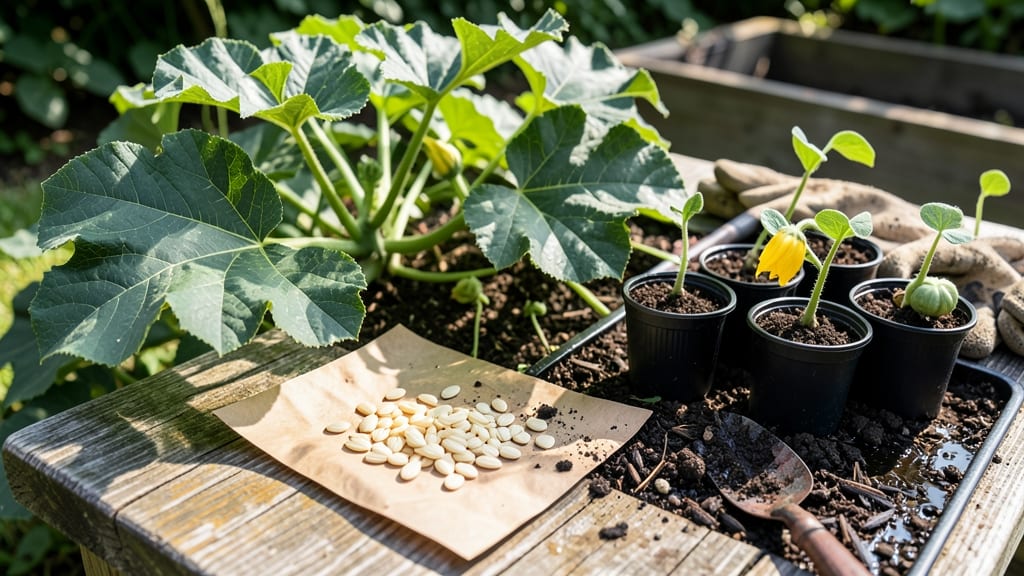
When to plant butternut squash seeds in the UK means the difference between a bumper harvest and wasted effort—especially when frost can strike as late as mid-May in some regions. This warm-loving 🎃 thrives in soil that’s at least 15°C (59°F), but getting it wrong can leave your seeds rotting or your plants struggling to survive.
If you’ve ever wondered why your squash patch flops despite your best efforts, the answer likely lies in planting too early or ignoring regional differences.
From London’s milder climate to Scotland’s cooler springs, the ideal window shifts dramatically—mid-April to early June is the golden period, but local frost dates and soil warmth dictate the exact moment.
What if you could beat the clock and enjoy an earlier harvest? I’ll show you how to start seeds indoors 4-6 weeks before the last frost, plus soil prep tricks and post-planting care to ensure your butternut squash grows strong enough to outlast the UK’s unpredictable autumn weather.
Whether you’re a seasoned gardener or a first-timer, these insights will help you avoid common pitfalls—like overwatering or poor drainage—and maximize your chances of a successful harvest from October to November. Let’s get those seeds in the ground at the perfect moment.
UK regional planting dates for butternut squash seeds (soil temp & frost-free guidelines)
Timing your butternut squash seeds correctly in the UK means accounting for soil warmth and frost-free periods. These vines need minimum 15°C (59°F) soil temps to germinate, which varies wildly from Cornwall’s mild climate to Scotland’s cooler regions.
Plant too early, and frost will kill tender seedlings; too late, and your harvest shrinks before winter sets in.
Most UK gardeners aim for mid-April to early June planting, but regional adjustments are crucial. Southern England’s warmer microclimates (like London) allow earlier sowing, while Northern Ireland and Scotland’s shorter seasons demand later starts. Let’s break down the ideal planting windows by region to maximize your butternut squash yield.
🌱
| Region | Last Frost Date (Avg.) | Soil Warmth Threshold | Direct Sowing Window | Indoor Start (4-6 wks early) |
|---|---|---|---|---|
| Southern England (London, Cornwall) | Mid-April | 15°C (59°F) by late April | Late April – early May | Early March |
| Midlands (Birmingham, Manchester) | Early May | 15°C (59°F) by early May | Early May – mid-May | Late March |
| Northern England (Yorkshire, Lake District) | Late May | 15°C (59°F) by late May | Late May – early June | Early April |
| Scotland (Edinburgh, Glasgow) | Early June | 15°C (59°F) by early June | Early June – mid-June | Late March |
| Wales (Cardiff, Snowdonia) | Late April – early May | 15°C (59°F) by late April | Late April – early May | Early March |
| Northern Ireland (Belfast) | Mid-May | 15°C (59°F) by mid-May | Mid-May – late May | Early April |
*Adjust for microclimates—urban areas may warm faster than rural spots.
For direct sowing, wait until the soil stays consistently above 15°C (59°F)—test with a soil thermometer or press your hand into the soil for 10 seconds.
If it’s too cool, your seeds will rot. Indoor starts (4-6 weeks before your region’s last frost) give you a head start, especially in cooler areas like Scotland.
Pro tip: Use black plastic mulch or cloches to warm soil faster in Northern Ireland or Scotland. This can push your planting window 2-3 weeks earlier without risking frost damage. Just remove covers once vines emerge to prevent overheating.
🌡️
Remember, butternut squash needs 180-220 frost-free days to mature. In London or Cornwall, this means planting by early May for a late October harvest. But in Edinburgh, you’ll likely only get one small harvest if you plant after mid-May.
Always check your local Met Office frost predictions and adjust accordingly.
If you’re unsure about your local frost dates, use the Royal Horticultural Society’s UK Planting Calendar as a guide. It’s updated annually and accounts for regional variations. For urban gardeners, city heat islands can push your planting window 1-2 weeks earlier—just monitor soil temps closely.
Finally, early varieties like ‘Small Sugar’ mature in 85 days, while standard types need 100-120 days. Choose accordingly based on your region’s first frost date. A late June planting
UK regional planting dates for butternut squash seeds (soil temp & frost-free guidelines)
Timing your butternut squash seeds correctly in the UK means the difference between a bountiful harvest and wasted effort. These warm-season crops need soil temperatures above 15°C (59°F) to germinate properly, and frost can kill young plants.
In the UK, this translates to planting between mid-April and early June, but regional variations matter—especially when comparing London’s milder climate to Scotland’s cooler summers.
For most of the UK, aim to plant after your last frost date, which typically falls in mid-May. However, in Northern Ireland or Scotland, you may need to wait until late May or early June to avoid frost damage.
Southern regions like Cornwall or Kent can start slightly earlier, often by 2-3 weeks, thanks to warmer microclimates.
🌱
| Region | Last Frost Date | Ideal Planting Window | Soil Temp Threshold | Notes |
|---|---|---|---|---|
| England (South: London, Kent) | Mid-May | Mid-April to late May | 15°C+ (59°F+) | Warmer microclimates allow earlier starts. |
| England (Midlands: Birmingham) | Late May | Late April to early June | 15°C+ (59°F+) | Cooler than southern regions; monitor soil temps. |
| Scotland (Edinburgh, Glasgow) | Early June | Late May to early June | 16°C+ (61°F+) | Short growing season; use cloches or fleece. |
| Wales (Cardiff, Swansea) | Late May | Late April to early June | 15°C+ (59°F+) | Mountainous areas may need later planting. |
| Northern Ireland (Belfast) | Early June | Late May to early June | 16°C+ (61°F+) | Cooler maritime climate; extend season with protection. |
If you’re unsure about your local frost dates, check the Met Office’s frost forecast or use a soil thermometer to confirm temperatures. In cooler regions like Scotland, I’ve found that starting seeds indoors 4-6 weeks before the last frost date gives them a head start.
This method also works well for urban gardens with limited space or microclimates that stay chilly longer.
For direct sowing outdoors, wait until the soil is consistently warm—probe it with your finger. If it feels cooler than your wrist, hold off for another week. Mulching with straw or black plastic can help warm the soil faster, especially in northern or elevated areas.
Remember, butternut squash needs 180-220 frost-free days to mature. In the UK, this means planting early varieties in southern regions and sticking to shorter-season types like ‘Waltham Butternut’ in cooler climates. Always check the seed packet for days-to-maturity estimates—it’s your best guide!
☀️