
Plants
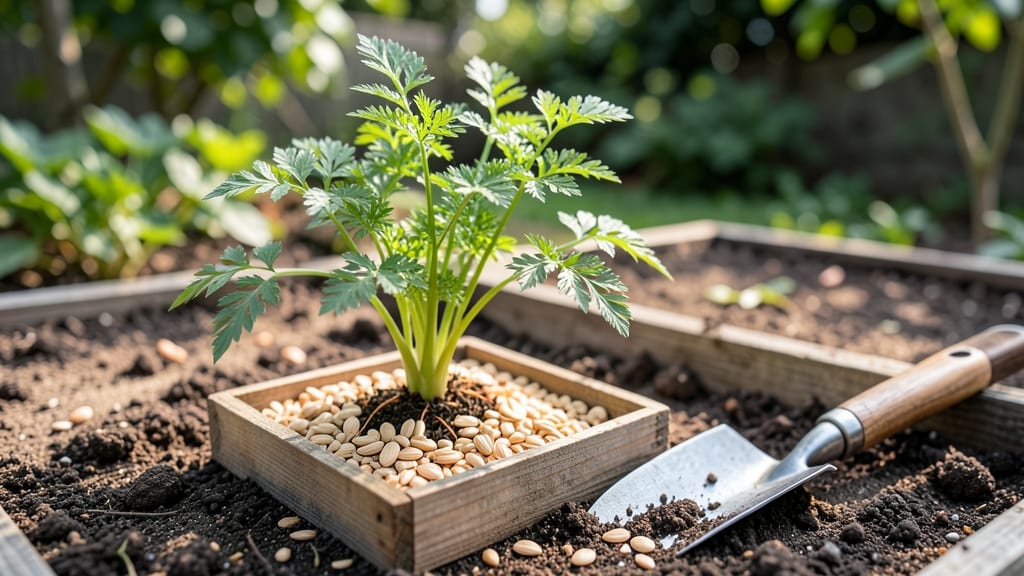
Planting carrots at the wrong time in Zone 5b can mean the difference between a bumper crop of crisp, sweet 🥕 and bitter, stunted roots—or worse, bolting greens before you even get a harvest.
The key to success lies in understanding your local frost dates and soil conditions, which I’ll break down so you can time your plantings perfectly for maximum yield.
In Zone 5b, where last frosts typically hit around mid-April and first frosts arrive by mid-October, you’ve got two prime windows to sow carrots: early spring and late summer.
But timing isn’t just about avoiding frost—it’s also about giving your carrots enough warm days to mature before the cold sets in. I’ll show you exactly when to start seeds for both seasons, plus how to stretch your harvest with succession planting.
Why does this matter? Because carrots are finicky about temperature—too much heat or cold, and they’ll either bolt (flower prematurely) or stay small and tough. The right timing ensures your 🥕 develop the perfect balance of sweetness and crunch, whether you’re growing them for baby carrots or full-sized roots.
Let’s dive into the exact weeks before frost that work best in your zone.
You’ll also learn how to prep your soil (the secret’s in the loose, rocky-free beds), when to fertilize without overfeeding, and how to protect late-season crops from unexpected chills.
By the end, you’ll have a foolproof plan to grow carrots that rival the ones at the grocery store—without the price tag. Ready to get started?
Zone 5b carrot planting calendar: exact weeks before frost for success
In Zone 5b, where average last frost dates hover around April 15 and first frosts arrive by October 15, timing your carrot planting is critical. The 60-70 day growth window means you'll need two main planting windows: early spring and late summer.
Planting too early risks bolting (flowering) from cool soil, while late planting often results in small, stunted roots before frost.
For perfect crisp carrots, aim to sow seeds 3-4 weeks before your last frost date in spring and 8-10 weeks before first frost in fall. This gives roots enough time to mature before winter arrives.
My Zone 5b garden thrives with these precise windows, and I've learned the hard way that cutting it too close leads to disappointment.
Here's the key: soil temperature matters just as much as air temperature. Carrot seeds need soil at least 50°F (10°C) to germinate. In Zone 5b, this typically means waiting until mid-April for spring plantings. Use a soil thermometer to confirm—don't guess!
🌱
| Planting Window | Recommended Months | Weeks Before Frost | Soil Temp Requirement | Harvest Window |
|---|---|---|---|---|
| Early Spring | March 15 - April 15 | 3-4 weeks | ≥50°F (10°C) | June - August |
| Late Summer | July 15 - August 15 | 8-10 weeks | ≥50°F (10°C) | September - October |
| Succession Planting | Every 2-3 weeks | Ongoing | ≥50°F (10°C) | Rolling harvest |
Let me share my Zone 5b planting schedule that's worked perfectly for years. For spring, I start with Danvers and Nantes varieties in mid-April when soil reaches 55°F (13°C). These varieties handle cooler soil better than Paris Market types.
I've found that planting 3-4 weeks before last frost gives me baby carrots by late June and full-sized roots by mid-August.
For fall plantings, I switch to short-day varieties like Chantenay and Golden Ball in late July. These mature faster in cooler fall temperatures. The key is to have roots 2 inches in diameter by mid-October to avoid frost damage.
I always mark my calendar for September 1 as the last chance for fall sowing—any later risks small harvests.
Don't forget about microclimates in Zone 5b. South-facing beds warm up faster and can support earlier spring plantings by 2-3 weeks. I've had success planting Danvers in these spots as early as late March, while my north-facing beds wait until mid-April.
Always test your specific location—your garden might have its own microclimate rules!
One critical tip I've learned: avoid planting when daytime temperatures exceed 85°F (29°C). Carrots bolt quickly in heat, and your roots will turn woody. In Zone 5b's summer heat, I often skip June plantings entirely and focus on succession sowing in May and July instead.
🌿
To maximize your harvest, consider two spring plantings spaced 3 weeks apart. The first batch gives you early summer carrots, while the second provides late summer harvests.
For fall, a single planting in mid-July usually suffices, but I've had great luck with a second planting in early August for a second fall harvest before hard frost.
Remember that carrots need consistent moisture during growth. The first 2 weeks after planting are critical—keep soil evenly moist to prevent cracking. I use drip irrigation on my spring plantings to maintain perfect conditions. Once established, they're more drought-tolerant, but never let them dry out completely during root development.
How to extend carrot harvests in Zone 5b with succession planting
Succession planting is my secret weapon for enjoying homegrown carrots from early summer through crisp fall harvests in Zone 5b. By spacing out your plantings every 2-3 weeks, you'll beat bolting and ensure a steady supply of sweet, garden-fresh roots instead of one big harvest that spoils your fridge.
The key is starting your first batch 4-6 weeks before your last frost date (around March 20-April 5 in Zone 5b) and continuing until mid-July. This gives you three main planting windows: early spring, late spring, and early summer—each producing carrots at different stages of the season.
For best results, I recommend using short-season varieties like 'Paris Market' (55 days) or 'Early Nantes' (60 days) in early plantings, while longer-maturing varieties like 'Danvers' (75 days) work well for late summer sowings. The trade-off? Shorter varieties give you more harvest windows but may sacrifice root size.
🌱Pro Tip: Use row covers or cold frames to extend your final planting into early August. This protects tender seedlings from unexpected September frosts while still giving you harvests before hard freezes hit in October.
- 📅 First Planting: March 20-April 5 (4-6 weeks before last frost) for early summer harvests (June-July)
- 🌱 Second Planting: April 15-May 1 (after soil warms to 50°F+) for mid-summer harvests (July-August)
- 🌿 Third Planting: May 15-June 1 (for late summer harvests, use row covers if needed)
- 🥕 Final Planting: July 1-15 (with protection) for fall harvests (September-October)
- ⏳ Spacing: Sow seeds 1/4" deep, thin to 2-3" apart when seedlings emerge
- 💧 Watering: Keep soil consistently moist (especially during germination) but avoid waterlogging
One common mistake I see is planting too densely in succession batches. Remember, carrots need room to grow—overcrowding leads to stunted, forked roots. Use a seed tape or precision seeder to maintain proper spacing, or thin seedlings carefully to avoid disturbing developing roots.
For late-season plantings, I always add a 2-3 inch layer of straw mulch to insulate the soil and protect emerging seedlings from chilly Zone 5b nights. This simple trick has extended my harvest window by 2-3 weeks in years with early frosts.
🌿 With this succession strategy, you'll enjoy homegrown carrots for 4-5 months—from early summer through crisp fall—without the risk of bolting or wasted harvests. The secret? Planning your plantings like a chef schedules courses: each batch has its own perfect timing for maximum flavor and texture.