
Plants
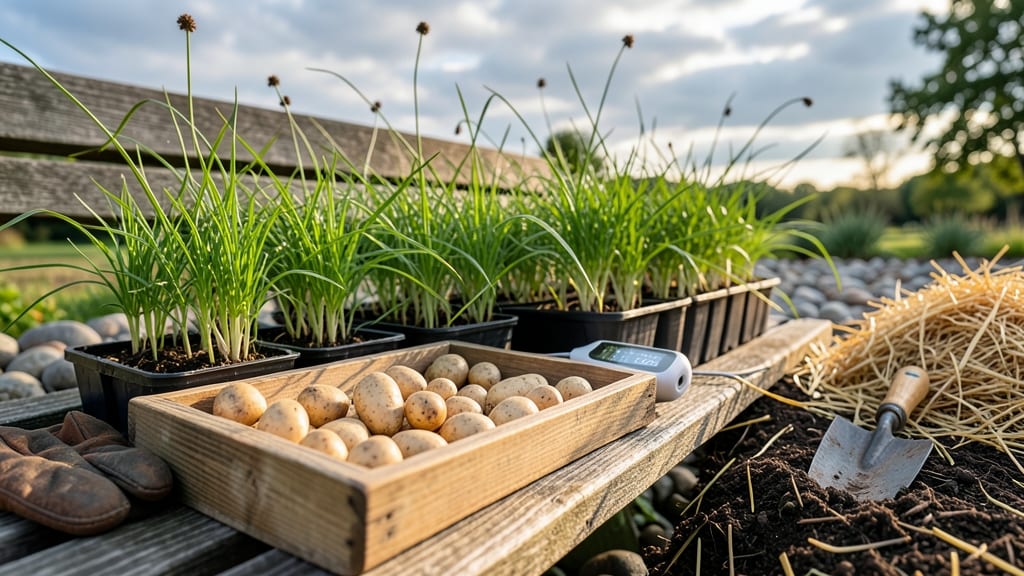
Timing your chufa planting in Georgia (GA) can mean the difference between a thriving harvest and wasted effort—especially when those late spring rains turn into summer droughts.
This tiger nut (yes, it’s not a nut!) thrives in USDA zones 7b-9a, but getting the soil warm enough (65°F+) before sticking those tubers in the ground is the real secret.
Most gardeners in Georgia rush to plant 🌾 chufa as soon as the frost risk fades, but that’s a recipe for stunted growth. The ideal window? Late April to early May—when the soil has baked enough to kickstart those slow-but-steady tubers.
Skip this, and you’ll either wait months for germination or watch your crop bolt before it matures.
Here’s the game-changer: pair your planting date with mulching to lock in moisture and a light fertilizer boost to jumpstart root development. We’re talking 5-10-10 NPK at planting, then deep watering once a week—no more, no less—to keep those tubers plump without inviting fungal friends.
Ready to avoid the August heat stress that turns chufa leaves crispy before harvest? Stick around—I’ll walk you through Georgia-specific tricks to stretch your growing season and dodge the three biggest mistakes that kill yields here. Let’s make this your most successful 🌾 chufa season yet.
Georgia’s chufa planting calendar: frost-free zones and heat requirements
Georgia’s USDA zones 7b-9a create perfect conditions for growing chufa (Cyperus esculentus), but timing your planting is critical to avoid frost damage or heat stress.
Since chufa thrives in warm soil temperatures (70°F+), your planting window should align with Georgia’s last frost dates—typically mid-March to early April in most regions.
For optimal germination, wait until the soil reaches 65°F or warmer, which usually occurs in late April to early May across Georgia. This ensures your tubers won’t rot in cold soil, a common issue for gardeners who plant too early.
In Zone 9a, you can start as early as February, but most gardeners in Zones 7b-8a should aim for April 15 to May 15.
Chufa’s 150-day growing season means you’ll want to plant early enough to harvest before first frost (typically mid-November in Zone 7b). If you miss this window, consider fall planting in September for a late-summer harvest, though this is riskier due to hurricane season and soil moisture fluctuations.
Here’s a quick breakdown of Georgia’s chufa planting calendar by USDA zone:
| USDA Zone | Last Frost Date | Ideal Planting Window | Soil Temp Requirement | First Frost Risk |
|---|---|---|---|---|
| 7b | March 15 | April 15–May 15 | 65°F+ | November 15 |
| 8a | March 1 | April 1–May 10 | 65°F+ | November 1 |
| 8b | February 15 | March 15–April 30 | 60°F+ | October 31 |
| 9a | February 1 | February 15–March 30 | 55°F+ | October 15 |
If you’re in North Georgia (Zone 7b), prioritize early May planting to maximize your 150-day growing season. In South Georgia (Zones 8a-9a), you can push planting to late April or even early March for a faster harvest.
However, avoid planting in July or August, as the intense heat can stress young tubers and reduce yield.
Use a soil thermometer to confirm readiness—chufa tubers won’t sprout until soil hits 65°F. In cooler microclimates (e.g., mountainous areas), extend your planting window by using black plastic mulch to warm the soil faster. This trick is especially useful in Zone 7b, where frost lingers longer.
Georgia’s humid summers also mean you’ll need to monitor soil moisture closely. While chufa tolerates drought once established, young plants need consistent watering to prevent tuber rot.
Aim for 1 inch of water per week during germination (first 30 days) and reduce to every 10 days once tubers form.
Pro tip: Plant chufa in raised beds if your garden soil drains poorly. Georgia’s clay-heavy soils in some regions can suffocate tubers, leading to poor harvests. Amend beds with compost and sand to improve drainage and aeration.
Finally, keep an eye on local weather forecasts for unseasonal cold snaps, which can occur even in Zone 9a. If frost is predicted after planting, cover young shoots with row covers or straw mulch to protect them until temperatures stabilize.
Chufa varieties best suited for Georgia’s climate and planting strategies
Georgia’s humid subtropical climate (USDA zones 7b-9a) offers perfect conditions for growing chufa (Cyperus esculentus), but not all varieties thrive equally. Some adapt better to heat and drought-like conditions common in Georgia’s summers, while others struggle with excessive moisture or high humidity.
Choosing the right variety ensures a higher yield and easier maintenance.
For Georgia gardeners, the ‘Valencia’ variety stands out as a top performer. It’s bred for heat tolerance and produces large, flavorful tubers even in 90°F+ temperatures. Another excellent option is ‘Mallorquina’, which matures faster and handles Georgia’s occasional drought spells better than traditional varieties.
Both are perennial, meaning they’ll return year after year if cared for properly.
Now, let’s compare how these varieties stack up in Georgia’s climate with a pros-cons breakdown to help you decide which fits your garden best.
Chufa Varieties for Georgia: Pros and Cons
- ✅ Heat-tolerant (thrives in 90°F+)
- ✅ Large tubers (ideal for harvest)
- ✅ Drought-resistant once established
Best for: Hot, dry summers
- ✅ Faster maturity (ready in ~140 days)
- ✅ Humidity-adapted (handles Georgia’s rain)
- ✅ Smaller tubers (good for snacks)
Best for: Humid climates
- ❌ Needs consistent moisture (avoid waterlogging)
- ❌ Slower to establish (takes ~60 days)
- ❌ Smaller yield per plant
- ❌ Less heat-tolerant than Valencia
When planting chufa in Georgia, direct sowing is the most common method, especially for ‘Valencia’ and ‘Mallorquina’. Start by soaking tubers for 24 hours to speed up germination, then plant them 2 inches deep and 6 inches apart in well-draining soil.
For nursery starts, transplant seedlings after the last frost date (typically mid-March in Zone 7b and earlier in Zone 8a+).
If you’re growing chufa in containers, opt for large pots (12+ inches deep) with drainage holes to prevent root rot from Georgia’s heavy rains. Use a lightweight potting mix blended with perlite or sand to improve drainage.
Container-grown chufa may need more frequent watering (every 5-7 days) compared to in-ground plants.
Remember, chufa is a perennial crop, so once established, it’ll regrow each year. In Georgia, you can even harvest tubers in late summer (August–October) and replant new tubers in April–May for a second harvest the following year. This dual-harvest strategy maximizes your yield without overcrowding the garden.
For best results, mulch around plants with straw or pine needles to retain moisture and suppress weeds. This is especially important during Georgia’s hot, dry spells in June–July. With the right variety and care, your chufa patch will thrive year after year! 🌾