
Plants
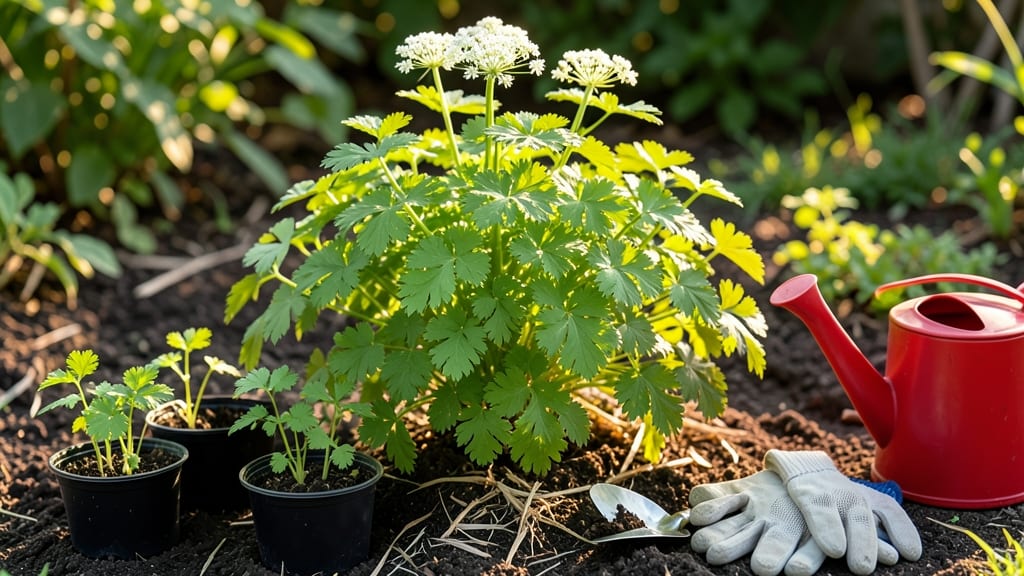
Planting cilantro in Florida’s heat can feel like a gamble—one wrong move, and your fresh 🌿 turns bitter or bolts before you can enjoy it. The key to success lies in timing: those crisp fall and cool winter months when temperatures dip just enough to let cilantro thrive.
If you’ve ever planted cilantro in the summer and watched it struggle, you’re not alone. Florida’s warm climate makes traditional spring planting a risky bet, but the right schedule—like starting seeds in September or February—can mean the difference between a thriving herb garden and a sad, wilted disappointment.
I’ve tested these windows firsthand, and the results speak for themselves: lush, flavorful cilantro that keeps producing until the heat ramps up again. Whether you’re a seasoned gardener or just starting, these two ideal planting windows will help you avoid common pitfalls and enjoy fresh cilantro all year.
Ready to grow cilantro that actually survives Florida’s climate? Let’s dive into the exact months, microclimate tips, and tricks to keep your plants happy and productive—no bitter surprises included.
Best planting windows for cilantro in Florida’s climate zones
Florida’s USDA Zones 9a–11 mean no frost to worry about, but heat stress is the real enemy for cilantro. The key is planting during cool-season windows when temperatures stay below 80°F.
In North Florida (Zone 8a), you’ll have slightly cooler spells, while South Florida (Zone 11) must rely on shade and timing to avoid bolting.
For direct sowing, aim for September–November and February–March. These months offer the best balance of moderate temperatures and lower humidity, reducing fungal risks. If you’re seed-starting indoors, begin 4–6 weeks before your target outdoor planting date to give seedlings a head start in Florida’s heat.
Here’s the breakdown by region to maximize your cilantro harvest:
In North Florida, you can push the envelope slightly later into spring (March) because cooler nights help delay bolting. Meanwhile, South Florida gardeners must act fast—cilantro planted after mid-February often bolts by April due to rising temperatures.
For a second harvest, try succession planting every 2–3 weeks in September or February.
Pro tip: Test your soil before planting—cilantro thrives in well-draining soil with a pH of 6.2–6.8. Florida’s sandy soils often need compost or peat moss to retain moisture and nutrients. Mix in aged compost or a balanced fertilizer (10-10-10) at planting time to give your cilantro a strong start.
If you’re growing cilantro in containers, opt for 5–6 inch pots with drainage holes. Container-grown cilantro bolts faster in heat, so place pots in dappled shade and water daily in summer. Elevate pots slightly to improve drainage and prevent root rot in Florida’s humid climate.
For direct-sown cilantro, scatter seeds ¼ inch deep and 1 inch apart in rows spaced 12 inches apart. Thin seedlings to 6 inches apart once they’re 2 inches tall to reduce competition.
In Florida’s heat, seed germination can take 7–14 days, so keep soil consistently moist during this period.
Remember, cilantro is a cool-season annual that bolts quickly when stressed. By planting at the right time and providing optimal growing conditions, you’ll enjoy fresh, flavorful leaves for 6–8 weeks per planting cycle. With these timing strategies, even Florida’s heat won’t stand in your way!
How to extend cilantro’s growing season in Florida’s heat
Florida’s heat turns cilantro into a bitter, flowering nightmare—but with the right tricks, you can delay bolting and enjoy fresh leaves for months. The key is strategic shade, succession planting, and smart companion choices that keep your cilantro cool and happy.
Cilantro bolts when temperatures hit 80°F consistently, but by combining shade solutions with weekly harvests, you can push harvests into summer’s edge. Even in South Florida’s Zone 11, I’ve kept cilantro producing for 8+ weeks beyond the usual spring window.
Here’s my battle-tested 3-step plan to beat the heat: use shade cloth (30-50%), plant in short successions every 2 weeks, and pair cilantro with heat-tolerant companions like basil or lettuce. These methods work even in containers on patios.
- Shade is non-negotiable: Install 30-50% shade cloth by late April to block afternoon sun. In containers, move pots to east-facing spots or under trees with dappled shade.
- Plant in waves: Sow new seeds every 2 weeks from September through March. This ensures you always have young, tender plants that bolt slower. Example: Plant Sept 1, Sept 15, Oct 1 for staggered harvests.
- Companion plants work magic: Pair cilantro with basil (repels pests) or lettuce (shades soil). Avoid planting near dill or fennel—they cross-pollinate and ruin cilantro’s flavor.
- Harvest aggressively: Pinch off outer leaves weekly to encourage bushier growth. Never let plants flower—this triggers bolting. Use clean scissors to snip just above a leaf pair.
- Revive bolting plants: If your cilantro bolts too early, harvest the stems before seeds form. The leaves near the base may still be edible and less bitter. Cut back bolted plants by 50% to encourage new growth.
For container growers, choose self-watering pots with 1-gallon capacity per plant. Cilantro in containers bolts 2 weeks faster than in-ground plants, so double your shade efforts and water daily in summer. I’ve had success with black plastic pots (retains moisture) placed on drip irrigation systems.
Pro tip: In North Florida (Zones 8a-9a), you can push cilantro into early summer by planting under row covers after the last frost. Remove covers by late May to avoid overheating. In South Florida (Zones 10a-11), focus on fall/winter plantings and accept that summer cilantro will bolt quickly.
With these strategies, you can enjoy fresh cilantro year-round—even in Florida’s heat. The secret? Stay one step ahead of the sun and never let your plants get stressed. Your salsa will thank you! 🌱