
Trees
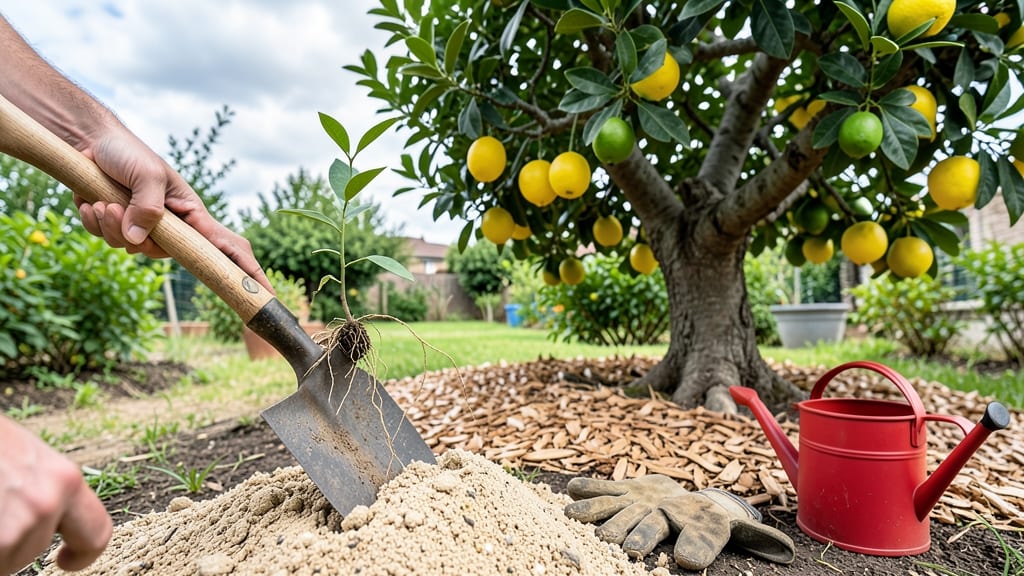
Planting a 🍊 citrus tree in Arizona isn’t just about grabbing a sapling and sticking it in the ground—timing makes all the difference between a thriving orchard and a sad, wilted investment.
The key window runs from November through March, when cooler temperatures and lower humidity give young roots the best shot at establishing themselves before summer’s scorching heat arrives.
Why does this matter? Arizona’s microclimates—from Phoenix’s urban heat islands to Tucson’s slightly cooler foothills—create wildly different conditions. Plant too early, and a rare cold snap could fry your tree; too late, and summer’s intensity will stress it before it’s ready.
I’ve seen firsthand how just a few weeks can mean the difference between a tree that flourishes and one that struggles.
In this guide, I’ll break down the exact months to plant based on your specific Arizona zone, plus pro tips for soil prep, watering schedules, and protecting your tree from unexpected frost or heat spikes.
Whether you’re in the Low Desert or High Desert, you’ll leave here knowing exactly when to dig—and how to set your citrus up for year-round success.
Ready to grow your own homegrown oranges and lemons? Let’s get started with the perfect planting timeline for your corner of Arizona.
Best planting months for Arizona citrus trees by microclimate zone
Arizona’s microclimates create unique challenges and opportunities for citrus tree planting. Unlike most states, Arizona’s Low Desert (Phoenix/Tucson) and High Desert (Prescott/Sedona) have vastly different temperature thresholds. Even Mountain Valleys like Flagstaff can support citrus with the right timing—just not during summer’s 110°F+ heat.
Below, I break down the ideal planting windows for Arizona’s 5 key zones, including soil prep timing and survival tips.
Most citrus trees thrive when planted during cooler months (November–March), but your exact window depends on elevation, urban heat, and frost risk. For example, Phoenix’s Low Desert can plant year-round with minimal risk, while Flagstaff’s High Desert must wait until late spring to avoid late frosts.
Let’s dive into the specifics for each zone to ensure your citrus tree gets off to the best possible start.
| Zone | Best Planting Months | Soil Temp Threshold | Key Considerations | Survival Tip |
|---|---|---|---|---|
| Low Desert (Phoenix, Tucson, Yuma) | November–March or September–October | 60–75°F (soil) | Minimal frost risk; urban heat islands can delay planting until fall | Use drip irrigation to avoid evaporation |
| High Desert (Prescott, Sedona, Payson) | April–May or September–October | 55–65°F (soil) | Late frosts possible until May; container growing extends options | Choose cold-hardy varieties like ‘Carrizo’ |
| Mountain Valleys (Flagstaff, Show Low) | May–June or September | 50–60°F (soil) | Short growing season; protect from cold air pooling | Plant near south-facing walls for warmth |
| Urban Heat Islands (Tempe, Mesa, Gilbert) | November–January | 65–70°F (soil) | Extreme heat stress in summer; shade cloth helps | Water deeply at night to reduce evaporation |
| Coastal Areas (Yuma, Ajo) | October–March | 60–75°F (soil) | Higher humidity; fungal risks in summer | Space trees 10–15 ft apart for airflow |
Notice how soil temperature (not air temperature) dictates planting success. Use a soil thermometer to confirm your zone’s thresholds—citrus roots need warm soil to establish quickly. For example, Phoenix’s soil can hit 80°F+ in summer, but planting then risks heat stress and poor root development.
If you’re in the High Desert or Mountain Valleys, aim for late spring planting (May–June) to avoid late frosts. These areas can experience 28°F dips even in May, which is deadly for young citrus.
Meanwhile, Low Desert gardeners have the most flexibility, with year-round planting possible if you use shade cloth during summer.
Pro tip: Container-grown citrus can be planted 4–6 weeks earlier than bare-root trees because their roots are already established. This is a game-changer for High Desert gardeners who want to push their planting window into early spring.
Just ensure your container has drainage holes and use a lightweight potting mix.
For urban heat islands, timing matters even more. Planting in November–January gives your tree time to establish roots before summer’s 115°F+ pavement heat. If you miss this window, consider partial shade (30–50%) during the hottest months to protect young leaves.
Varieties like ‘Improved Meyer Lemon’ handle heat better than Valencia Oranges, so choose wisely.
Finally, coastal Arizona (like Yuma) has a longer planting window due to milder winters. However, summer humidity increases fungal risks, so avoid planting in July–August. Instead, opt for fall planting (October–November) when temperatures drop and humidity is lower. Mulch heavily to retain moisture and keep roots cool.
Regardless of your zone, soil prep is critical. Work in compost and organic matter 4–6 weeks before planting to improve drainage
Critical factors that determine your citrus tree’s planting window
Arizona’s citrus success hinges on soil temperature, not just air temperature. Citrus roots thrive when soil stays above 60°F (15°C)—below that, they struggle to absorb water and nutrients. Use a soil thermometer to check depth (6 inches down) before planting.
Most Arizona zones hit this threshold by late October, but High Desert areas may wait until December.
Frost risk is the next critical factor, even in Arizona. While rare, 28°F (-2°C) can kill young citrus trees. Check the National Weather Service’s frost maps for your area—Tucson’s Santa Cruz Valley often escapes frost, while Flagstaff’s mountain valleys can drop below freezing.
Plant after your local last frost date, which typically falls between February 15 and March 15 for most regions.
Key Planting Factors for Arizona Citrus
- ✅ Soil temp: 60°F+ (use thermometer)
- ✅ Frost risk: Avoid after Dec 1 in cold zones
- ✅ Humidity: >30% for root growth (check local forecasts)
- ✅ Water access: Irrigation or hose within 50 ft
Humidity plays a surprising role in Arizona citrus planting. Citrus roots need at least 30% humidity to establish—below that, they dry out too quickly. Monsoon season (July-September) might seem ideal, but planting then risks fungal diseases from prolonged moisture.
Instead, aim for fall’s higher humidity (40-50%) while avoiding late-season rains that can waterlog soil.
Your irrigation setup is non-negotiable. Citrus trees need deep, infrequent watering, but young trees can’t survive Arizona’s 100°F+ summers without consistent moisture. If you lack a drip irrigation system, commit to hauling water—5+ gallons per tree every 3-5 days in peak heat.
Without reliable water, even the best planting timing fails.
Finally, wind exposure matters more than you’d think. Arizona’s Santa Ana winds (fall/winter) can dehydrate young trees in hours. Plant near a windbreak—a fence, building, or even a row of desert shrubs—to protect tender leaves.
In open desert areas, wait until winter winds calm down (typically after January 1) to reduce transplant shock.
Pro tip: Test your soil’s pH before planting—citrus thrives in 6.0-7.0. If your soil runs acidic (<6.0), amend with lime 2-3 months before planting. This gives microbes time to adjust, ensuring your tree’s roots access nutrients from day one. 🌱