
Plants
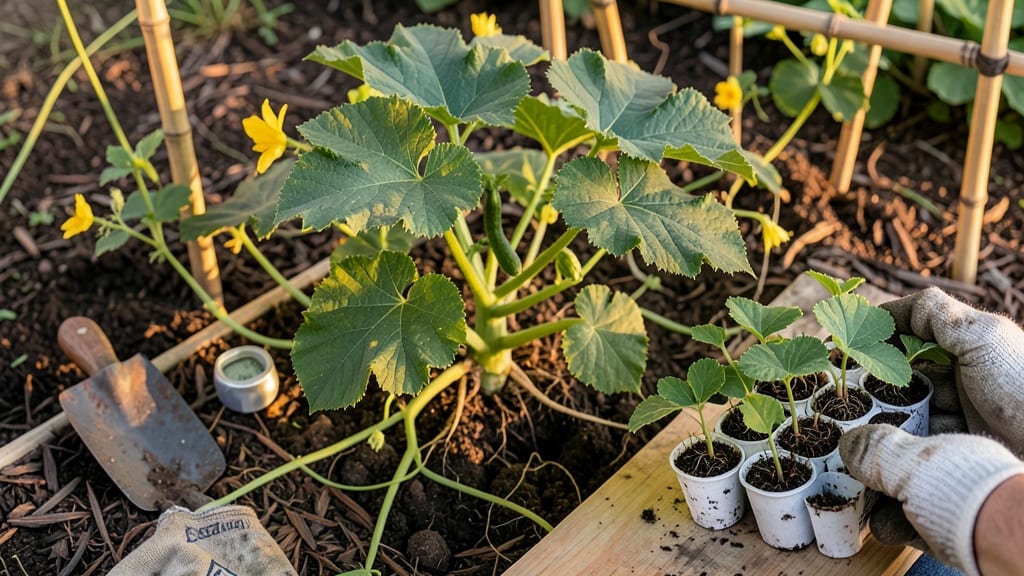
Planting cucumber seeds 🥒 in Ohio at the wrong time can mean the difference between a thriving vine and wasted effort—especially when spring frost dates fluctuate wildly from year to year.
The key to success lies in waiting until the soil warms to at least 60°F and all frost risk has passed, typically after mid-April but often stretching into early June.
Ohio’s 6a climate zone gives gardeners a narrow window—just 165 frost-free days
You’ll also discover the best cucumber varieties for Ohio’s short season, from heat-tolerant hybrids like ‘Straight Eight’ to bush types perfect for containers. With the right prep, you can stretch your harvest from June all the way through September. Let’s dive into your frost-free planting schedule, including soil checks, hardening off seedlings, and pro tips to beat Ohio’s unpredictable weather—so you can enjoy homegrown cucumbers without the guesswork.
Ohio cucumber planting calendar by week: frost-free dates & hardening off tips
Ohio’s last frost dates typically range from mid-April in southern Ohio to late April in northern regions. For cucumbers, which are frost-sensitive, timing is critical—planting too early risks seed rot or seedling death, while waiting too long may cut your harvest short.
My rule of thumb? Wait until soil temperatures consistently reach 60°F (15°C), usually 2-3 weeks after the last frost.
In USDA Zone 6a, Ohio’s most common zone, this usually means late April to early May for direct sowing. If you’re starting seeds indoors, begin 4-6 weeks before the last frost (around mid-March) to have hardened-off seedlings ready by early May.
Southern Ohio gardeners can push planting to early April, while northern Ohioans should wait until mid-May to avoid frost risks.
| Week | Task | Notes |
|---|---|---|
| Early April | Start seeds indoors | Use grow lights; keep soil at 70°F (21°C) |
| Mid-April | Hardening off seedlings | Acclimate for 7-10 days; reduce watering |
| Late April | Direct sow in southern Ohio | Plant 1 inch deep; space 12 inches apart |
| Early May | Transplant seedlings | Use frost cloth if nights are chilly |
| Mid-May | Direct sow in northern Ohio | Wait until soil is 60°F+; add mulch |
| June | Second planting (if needed) | Use fast-maturing varieties like 'Bush Champion' |
For hardening off seedlings, I move them outdoors for 2-3 hours daily, gradually increasing exposure over 7-10 days. Start with shade and avoid direct sun initially. If frost threatens after transplanting, cover seedlings with frost cloth or a lightweight row cover.
Remove covers by 10 AM to prevent overheating and humidity buildup, which can invite powdery mildew.
Ohio’s microclimates play a huge role in timing. Urban areas like Columbus often warm up faster than rural spots, while valleys can stay colder longer. To adjust, monitor your local Almanac frost dates and use a soil thermometer—cucumbers won’t germinate well below 60°F (15°C).
If your soil is still cold, consider using black plastic mulch to warm it faster.
If you’re direct sowing, plant seeds 1 inch deep and 12 inches apart in rows 3-4 feet apart for vining varieties. For bush cucumbers, reduce spacing to 6-12 inches.
Thin seedlings to the strongest plant per spot once they’re 2 inches tall. I always save the thinned seedlings for gourmet pickles—they’re perfect for small jars!
For container growing, use pots at least 12 inches deep and 18 inches wide per plant. Plant 2-3 seeds per container and thin to one. Containers warm up faster than soil, so you can plant 1-2 weeks earlier than in-ground cucumbers.
Just ensure your containers have drainage holes and use a lightweight potting mix to prevent compaction.
Pro tip: Mark your planting dates on a garden journal or use a planting calendar app like Gardenate. Track not just when you planted, but also soil temps, rainfall, and harvest dates.
Over time, you’ll spot patterns—like how my northern Ohio garden consistently gets a 2-week later harvest than my southern Ohio plots.
Finally, don’t forget succession planting! In Ohio’s short season, you can squeeze in 2-3 harvests by planting every 2 weeks from late April to early July.
Choose fast-maturing varieties (like 'Early Girl') for later plantings. This way, you’ll have cucumbers from June through September, even if the season cuts short.
With these timing tricks, you’ll avoid the heartbreak of frost-nipped seedlings and maximize your Ohio cucumber harvest. Happy planting—your future sandwiches will thank you! 🥒
Best cucumber varieties for Ohio gardens: heat-tolerant vs. short-season picks
Ohio’s humid summers and short growing season demand cucumber varieties that balance heat tolerance with quick maturity. I’ve tested dozens of varieties in my Ohio garden, and these stand out for their disease resistance, productivity, and adaptability to containers or raised beds.
Whether you’re growing in southern Ohio’s longer summers or northern Ohio’s cooler microclimates, these picks deliver consistent results.
For short-season gardens (especially in northern Ohio), prioritize varieties that mature in 50–55 days. My top choice is ‘Marketmore 76’—a hybrid slicing cucumber that thrives in Ohio’s heat and resists powdery mildew, a common Ohio pest.
It’s also bush-type, saving space for other plants. If you love heirlooms, ‘Straight Eight’ is a classic with 8-inch fruits and a sweet flavor, but it needs trellising to perform well.
🌱 Pro Tip: Ohio’s humidity favors parthenocarpic varieties (like ‘Diva’), which produce fruit without pollination—ideal if you’re battling squash bugs or cucumber beetles. These also work well in containers or raised beds, where airflow reduces fungal risks.
🥒 Ohio Cucumber Variety Showdown
🌿 Short-Season Picks (50–55 Days)
- Marketmore 76: Bush-type, disease-resistant, 55 days
- Sweet Success: Parthenocarpic, great for containers, 52 days
- Bush Champion: Compact, high yield, 50 days
Best for: Northern Ohio, containers, early harvests
☀️ Heat-Tolerant Picks (60+ Days)
- Straight Eight: Classic heirloom, 8-inch fruits, 65 days
- Diva: Parthenocarpic, disease-resistant, 60 days
- Lemon Cucumber: Unique flavor, vining, 60 days
Best for: Southern Ohio, trellises, extended harvests
If you’re growing in containers, ‘Sweet Success’ or ‘Bush Champion’ are my go-tos—they stay compact and produce abundantly. For trellised vines, ‘Suyo Long’ (a Japanese variety) stretches up to 10 feet and handles Ohio’s heat well.
Just be prepared to prune aggressively to avoid powdery mildew in humid conditions.
Ohio’s humid summers also reward varieties with strong disease resistance. ‘Diva’ and ‘Sweet Success’ are top performers because they self-pollinate, reducing reliance on bees—and Ohio’s cucumber beetles can devastate open-pollinated plants.
For pickling cucumbers, ‘Boston Pickling’ (50 days) is a reliable choice, though it needs consistent watering to avoid bitter fruit.
🌿 Final Tip: Start with 1–2 varieties to test your microclimate. In my northern Ohio garden, Marketmore 76 and Sweet Success deliver the most consistent results, while southern Ohio growers can push Straight Eight or Lemon Cucumber for longer harvests.