
Plants
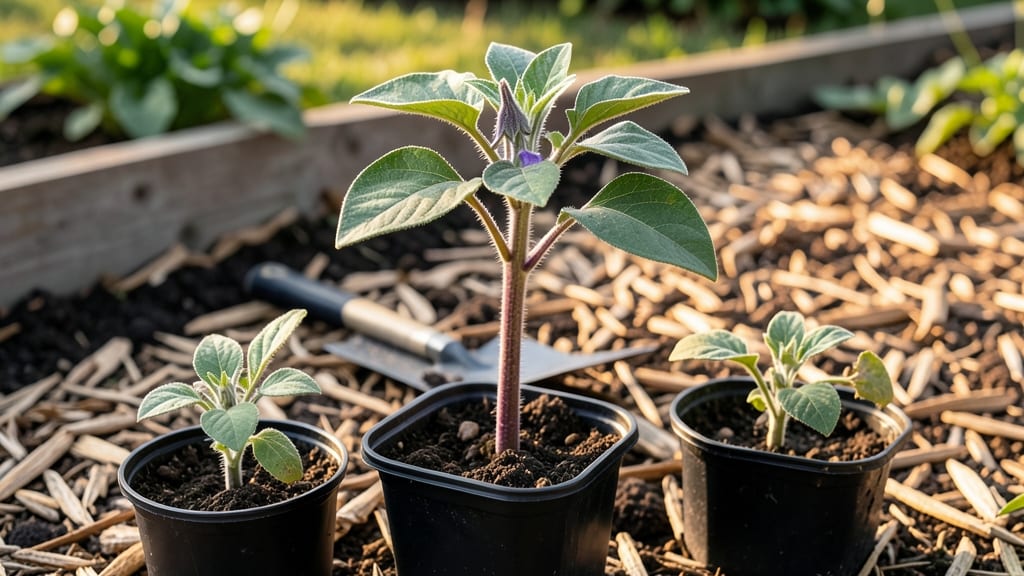
Timing your eggplant 🍆 planting in Louisiana isn’t just about avoiding frost—it’s about mastering the heat. Skip the guesswork, and you’ll end up with a bumper crop instead of wilted plants by summer’s end.
With Louisiana’s 8a-9b climate, you’ve got two golden windows: early spring (after that last frost date) or late summer for a fall harvest. But here’s the catch—eggplant hates cold soil, and waiting too long means sweltering plants before they even set fruit.
Let’s break down the exact calendar and tricks to get it right every time.
You’ll learn which months to plant for maximum yield, how to prep your soil for Louisiana’s humidity, and which varieties actually thrive in our heat. No more second-guessing—just a foolproof plan to turn your garden into an eggplant powerhouse.
Ready to skip the trial-and-error? I’ll walk you through the 5 critical factors that separate a great harvest from a gamble. Let’s get those plants in the ground at the perfect moment.
Louisiana eggplant planting calendar by heat zones (avoid frost & heat stress)
Louisiana’s USDA zones 8a-9b give eggplant growers a 240-day frost-free window, but timing is critical. The last frost date typically falls around March 15, but soil warmth matters more than air temperature.
Eggplants thrive when soil hits 60°F+, which usually occurs 2-4 weeks after last frost in most regions.
For spring harvests, aim to transplant seedlings 4-6 weeks before summer heat peaks (around mid-March to early April). This gives plants time to establish roots before 90°F+ temperatures arrive. Fall plantings should happen July-August for a September-November harvest before early frosts.
Here’s your heat-zone planting calendar with key deadlines and soil prep tips:
| Month | Action | Soil Temp (°F) | Notes |
|---|---|---|---|
| January | Start seeds indoors | 65-70°F | Use grow lights; transplant ready in 6-8 weeks |
| February | Hardening off seedlings | 60°F+ | Acclimate to outdoor temps for 1-2 weeks |
| March | Transplant outdoors (after last frost) | 65°F+ | Use black plastic mulch to warm soil faster |
| April | Direct sow for late starts | 70°F+ | Best for southern LA (zones 9a-9b) |
| July | Transplant for fall harvest | 65°F+ | Choose heat-tolerant varieties like 'Black Beauty' |
| August | Last chance for fall planting | 60°F+ | Harvest before first frost (Nov 15) |
Pro tip: Use a soil thermometer to confirm 60°F+ soil temps before transplanting. In northern Louisiana (zone 8a), wait until mid-April to avoid late spring frosts. For southern regions (zones 9a-9b), you can plant as early as February with row covers.
Missed the spring window? Don’t panic! Louisiana’s heat allows for a second planting in July. Just choose fast-maturing varieties (like 'Ichiban') to finish before first frost. Mulch heavily to retain moisture during summer’s intense heat and protect roots from soil-borne diseases common in humid climates.
For container growing, plant in 5-gallon pots and move to partial shade during 100°F+ days to prevent heat stress. Eggplants in containers dry out faster, so check soil moisture daily during peak summer heat.
Remember: Eggplants hate cold soil. If your March soil is still chilly, delay planting or use black plastic mulch to raise temperatures by 10-15°F. This simple trick can extend your planting window by 2-3 weeks in cooler microclimates.
🌱
5 Critical factors that determine eggplant planting success in Louisiana
Louisiana’s humid climate and long growing season create perfect conditions for eggplant—but only if you account for these 5 critical factors. Skipping even one can mean stunted growth, pests, or failed harvests. Let’s break down what truly matters beyond just planting dates.
First, soil temperature is non-negotiable. Eggplant roots won’t thrive below 60°F. In Louisiana, this means waiting until mid-March in most zones before transplanting. Use a soil thermometer to confirm—cold soil equals root rot risk. Black plastic mulch can add 5-10°F to soil warmth, giving you an earlier start.
Next, humidity management separates successful gardens from soggy failures. Louisiana’s 90%+ humidity during summer creates fungal nightmares like powdery mildew. Space plants 18-24 inches apart for airflow, and water at soil level (not overhead) to keep foliage dry. A light shade cloth (30-50%) during peak heat can also help.
Don’t overlook companion planting—it’s your secret weapon against squash vine borers and aphids. Pair eggplant with basil, marigolds, or nasturtiums to repel pests naturally.
Avoid planting near fennel or dill, which can stunt growth. My go-to combo? Eggplant + basil + tomatoes in a raised bed for maximum protection.
Transplant shock is the silent killer of Louisiana eggplant gardens. Harden seedlings for 7-10 days before moving them outside, gradually increasing sun exposure. Transplant on a cloudy day or in late afternoon to reduce stress. A root stimulator (like seaweed extract) at transplant time can boost survival rates by 30%.
Finally, variety selection makes or breaks your harvest. Louisiana’s heat and humidity favor disease-resistant, compact varieties. Skip tall, sprawling types—they’ll flop in our summer storms. Instead, opt for ‘Black Beauty’ (classic but reliable) or ‘Ichiban’ (disease-resistant and prolific). For small spaces, ‘Fairy Tale’ (bush-type) is a game-changer.
Master these 5 factors, and you’ll turn Louisiana’s challenges into eggplant-growing advantages. Start with soil warmth, then layer in humidity control, companion plants, gentle transplanting, and smart varieties—your harvest will thank you.