
Plants
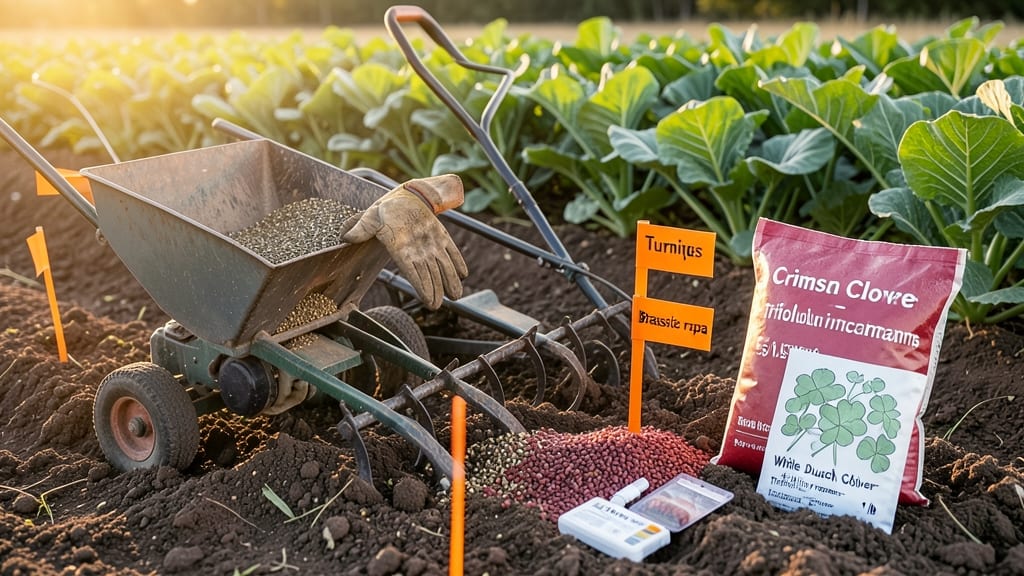
Planting a Fall Food Plot 🌾 in Georgia at the wrong time means watching deer pass by your property while your plot underperforms. The difference between a thriving food source and a missed opportunity often comes down to when you plant—and Georgia’s unique climate demands precision.
Most hunters assume they have until October to plant, but the ideal window actually closes much earlier. If you wait too long, your plot won’t reach peak maturity before frost, leaving you with sparse forage when bucks are most active.
The key is understanding how Georgia’s 7a-8b zones and early frost dates shape your planting timeline.
In this guide, I’ll break down the exact planting months that guarantee a lush, deer-attracting plot—plus the crops that perform best in your region.
Whether you’re a first-time planter or a seasoned hunter fine-tuning your strategy, these insights will help you create a food plot that draws deer like a magnet.
Ready to turn your property into a hunting hotspot? Let’s dive into the critical timing that separates successful food plots from disappointing ones.
Best months to plant fall food plots in Georgia for maximum deer impact
Georgia’s fall food plots thrive when planted during the 4-6 weeks before the first frost, typically late August through early October. This window ensures your crops mature before winter, creating a reliable food source for deer during rutting season (late October to December).
Timing is critical—plant too early, and weeds take over; too late, and your plots won’t establish before frost.
Georgia’s USDA zones 7a-8b experience first frosts between mid-November and early December, so aim to plant by early October in northern regions (e.g., Blue Ridge Mountains) and mid-October in southern areas (e.g., Savannah or Macon). Soil temperatures should ideally stay above 60°F for optimal germination.
Here’s the golden planting window broken down by region and crop type to maximize deer attraction and plot success:
For maximum deer impact, prioritize September planting—this aligns with peak acorn drop and deer’s natural feeding patterns. Bucks are most active during rutting season (November), so a well-timed plot ensures they have a reliable food source when energy demands are highest.
If you’re planting clover or brassicas, late August is ideal—they’ll establish roots before cooler weather sets in. For winter peas or rye, wait until mid-September to avoid early frost damage. Always check your local frost date averages (e.g., NOAA climate data) for precise timing.
Georgia’s variable rainfall patterns can disrupt planting, so monitor weekly forecasts and prepare to plant as soon as conditions allow. A 4-inch rain can delay germination, so aim for dry, sunny days when possible. Use a no-till drill or broadcast spreader for even seed distribution in larger plots.
Proper soil preparation is just as critical as timing. Test your soil’s pH (6.0–7.0 ideal) and phosphorus levels (20–50 ppm) at least 4 weeks before planting. Apply lime or sulfur to adjust pH and phosphorus-rich fertilizer (10-20-20) to promote root and seed development.
Once planted, maintain consistent moisture—deep watering every 3–5 days prevents stress. Mulch with straw or wood chips to retain moisture and suppress weeds. By mid-October, your plots should be lush enough to attract deer, especially if you’ve included high-protein crops like turnips or chicory.
Remember: Deer don’t just eat—they browse. A diverse mix of broadleaf plants, grasses, and legumes mimics natural habitats, encouraging longer visits. Plant near edge cover (brush piles, trees) to provide safety and maximize your hunting success.
With the right timing and prep, your fall food plots will become a deer magnet—turning your property into a hunting hotspot for weeks. Start planning now, and you’ll be ready to reap the rewards by archery season! 🌿
Best months to plant fall food plots in Georgia for maximum deer impact
Georgia’s fall food plots thrive when planted between late August and early October, but the ideal window is September. This timing aligns with soil temperatures dropping below 80°F while still offering enough warmth for seed germination.
Deer activity peaks in November and December, so planting early ensures lush growth when bucks are most active.
Northern Georgia (USDA Zone 7a) has a slightly earlier frost risk (mid-November), so aim for late August to early September. Southern Georgia (Zone 8b) can extend planting until early October due to milder winters.
Always check your local first frost date—planting 4-6 weeks before frost guarantees robust growth before winter sets in.
| Month | Planting Window | Soil Temp (°F) | Deer Activity |
|---|---|---|---|
| Late August | Early Northern GA | 75-80°F | Low (Pre-Rut) |
| September | Ideal Window | 65-75°F | Moderate (Rut Begins) |
| Early October | Southern GA Only | 60-65°F | High (Peak Rut) |
For fastest germination, shoot for soil temperatures between 65°F and 75°F. Use a soil thermometer to monitor—cooler soils (60°F) slow growth, while warmer soils (> 80°F) risk stress. Clover and brassicas germinate best in this range, ensuring deer have fresh forage when they’re most hungry.
Don’t overlook moisture management during planting. Georgia’s fall rains taper off by October, so water deeply (1-2 inches) immediately after planting. A mulch layer (straw or wood chips) helps retain moisture and suppress weeds. Morning watering prevents fungal diseases that thrive in damp evening conditions.
Pro tip: Plant warm-season crops like sorghum-sudangrass in late July for early fall forage, then transition to cool-season plots (clover, winter peas) in September. This two-phase approach extends deer attraction from September through December.
Finally, test your soil pH before planting—Georgia’s clay-heavy soils often need lime (pH 6.0-7.0) for optimal nutrient uptake. A soil test kit ($20) saves time and ensures your food plot thrives when it matters most.