
Plants
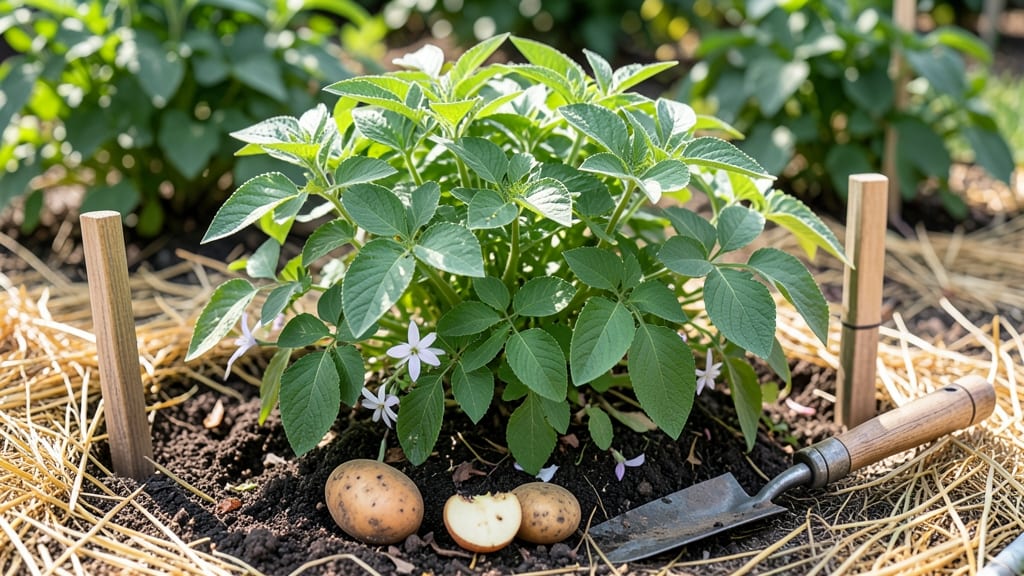
Planting fall potatoes in Texas isn’t just about timing—it’s about catching that sweet spot between scorching September heat and the first frost that could ruin your harvest.
If you’ve ever watched your 🥔 plants wilt under late-summer sun or seen tubers rot before they mature, you know how critical this window really is.
Here’s the truth: Texas gardeners in zones 8a-10a have just a 4-6 week window to plant these cool-season crops—starting in September and wrapping up by early October. Miss this, and you’re either battling heat stress or racing against frost before the tubers bulk up.
But don’t worry—with the right varieties (like Yukon Gold or Red Pontiac) and a few pro tips, you can turn your Texas garden into a potato powerhouse.
I’ll walk you through exactly when to plant, how to prep your soil, and what to watch for to ensure a harvest that lasts from November through January.
Let’s get your fall potatoes growing strong—before the first chill hits.
Best planting windows for fall potatoes in Texas regions
Texas' diverse climate zones—from North Texas to Central Texas to South Texas—create wildly different planting windows for fall potatoes. In North Texas (USDA Zones 7b-8a), where frost typically arrives by mid-November, aim to plant between late August and early October.
Meanwhile, South Texas (Zones 9a-10a) enjoys milder winters, allowing planting until early November with harvests stretching into January. Timing is everything to avoid heat stress or early frost damage.
Your first frost date is the anchor for calculating the ideal planting window. For example, if your area’s frost date is November 15, plant 90-120 days before that—around early August to mid-September.
But wait! Texas summers are brutal, so late August plantings in North Texas often struggle with soil temperatures above 90°F, stunting growth. Instead, prioritize September plantings when soil temps drop below 80°F.
Here’s the golden rule: Plant when daytime highs hover around 75°F and nighttime lows dip below 65°F. This sweet spot ensures strong tuber formation without heat stress.
For Central Texas (Zones 8a-8b), this usually means mid-September to early October. Use a soil thermometer to confirm—potatoes thrive when soil temps are 50-70°F.
Don’t overlook microclimates in your area. Urban heat islands, elevated gardens, or sheltered valleys can shift frost dates by 1-2 weeks. Check local Texas A&M AgriLife Extension resources or use Almanac’s Frost Calculator to pinpoint your exact window.
For instance, Amarillo’s frost date is November 20, while Houston’s is January 15—a 55-day difference!
Pro tip: Stagger your plantings in 2-week intervals to extend your harvest. For example, plant half your seed potatoes in late September and the rest in early October. This strategy ensures a continuous supply of fresh potatoes before winter sets in.
| Texas Region | USDA Zone | First Frost Date | Ideal Planting Window | Best Varieties | Days to Maturity |
|---|---|---|---|---|---|
| North Texas | 7b-8a | Mid-November | Late August–Early October | Yukon Gold, Red Pontiac | 90-110 days |
| Central Texas | 8a-8b | Late November–Early December | Mid-September–Mid-October | Kennebec, LaSoda | 80-100 days |
| South Texas | 9a-10a | January 15 | Late August–Early November | Sweet Potato (no, wait—Russet!), Fingerling | 70-90 days |
If you’re in North Texas and plant in late September, choose early-maturing varieties like Red LaSoda (70 days) to beat frost. Meanwhile, South Texas gardeners can afford to plant Russet Burbank (110 days) in October and still harvest before winter.
Always verify seed potato maturity dates—this is non-negotiable for Texas’ short growing season.
Watch for unpredictable cold snaps, especially in October. If temperatures dip below 50°F at night, protect young plants with frost blankets or row covers. In Central Texas, where nights can drop to 40°F by November, this is a game-changer for tuber development.
Pro growers swear by black plastic mulch to retain heat and moisture—worth the investment for fall potatoes!
Finally, avoid planting in waterlogged soil. Texas’ heavy rains in September can delay planting or cause disease pressure. Amend clay soils with compost or sand to improve drainage. In South Texas, where humidity lingers, opt for disease-resistant varieties like Kennebec to outsmart late blight risks.
Timing your fall potato planting in Texas isn’t just about dates—it’s about reading your microclimate, choosing the right varieties, and protecting your crop from Texas’ whims. Get it right, and you’ll enjoy homegrown spuds from November to January—no grocery store in sight! 🥔
How to choose the right potato varieties for Texas fall planting
Selecting the right potato varieties is critical for Texas fall planting, where the growing season is short and temperatures drop quickly. You’ll want cool-season varieties that mature in 90-120 days and tolerate mild frost. Avoid heat-sensitive types like Russet Burbank, which struggle in Texas’ late-summer heat.
For Texas, prioritize early-maturing varieties with disease resistance, especially to late blight, which thrives in humid fall conditions.
Look for labels like "early," "mid-season," or "new potatoes" to ensure they’ll reach harvest before frost. Certified seed potatoes (not grocery store spuds) are a must to prevent diseases like potato scab.
| Variety | Days to Maturity | Best For | Storage Potential |
|---|---|---|---|
| Kennebec | 90-110 | Baking, frying; disease-resistant | 3-4 months |
| LaSoda | 70-80 | New potatoes; early harvest | 1-2 months (best fresh) |
| Yukon Gold | 100-120 | Roasting, mashed; creamy texture | 2-3 months |
| Red Pontiac | 80-90 | Salads, boiling; skin stays firm | 2 months |
| Adirondack Red | 75-85 | Early harvest; resistant to blight | 1 month (fresh use) |
Regional tips matter too: In North Texas (USDA Zones 7-8), opt for longer-maturing varieties like Yukon Gold to stretch harvests into December. In South Texas (Zones 9-10), early varieties like LaSoda or Adirondack Red avoid heat stress and mature before January frosts.
For container gardening in urban Texas, choose compact varieties like 'Red LaSoda' or 'Finnish Yellow,' which thrive in 5-gallon buckets and mature quickly. These are ideal for patios or balconies where space is limited. Always use well-draining potting mix to prevent rot in containers.
Pro tip: Test a few varieties your first fall season to see which perform best in your microclimate. Factors like soil type, rainfall patterns, and neighborhood frost dates can shift ideal choices. Keep notes on what works—and what doesn’t!
Don’t overlook organic seed potato sources, like Texas A&M AgriLife Extension or reputable mail-order suppliers. Avoid grocery store potatoes, which may carry diseases that ruin your entire crop. With the right variety, your Texas fall potato patch can be a reliable harvest year after year. 🌱