
Trees
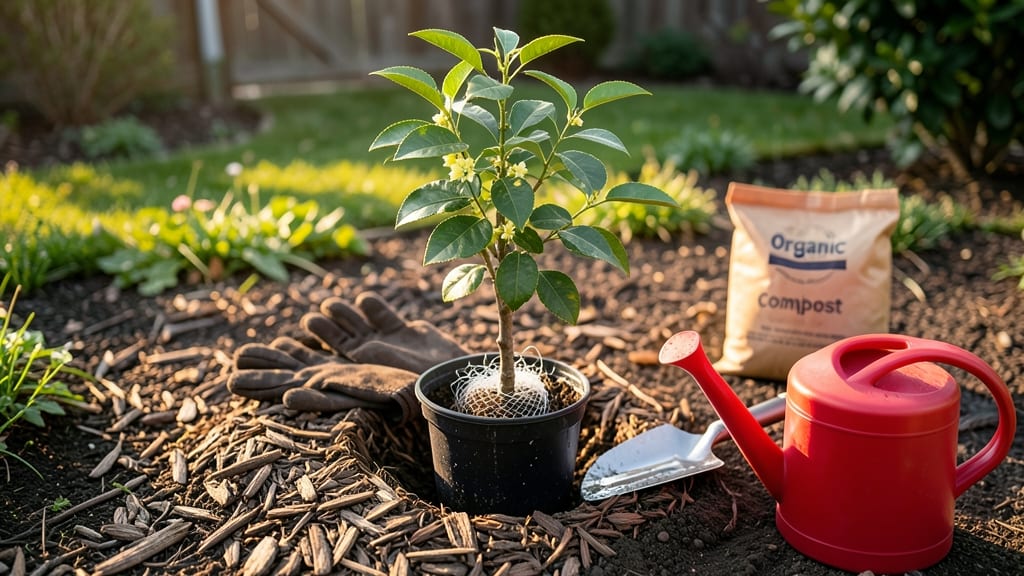
Planting fruit trees in Southern California at the wrong time can mean years of waiting for fruit—or no fruit at all. The key isn’t just the calendar; it’s understanding your microclimate’s chill-hour needs and avoiding summer heat stress.
Whether you’re in coastal L.A. or the inland desert, timing matters more than most gardeners realize.
I’ve seen firsthand how a single month’s mistake can delay harvests or even kill young trees. But with the right approach—like planting bare-root trees in late winter or container-grown varieties in early spring—you’ll set your orchard up for success.
Let’s break down the exact windows for citrus, avocado, fig, and stone fruits so you can match your tree to your zone.
Southern California’s warm winters mean many fruit trees need minimal chill hours (as few as 200), but others—like peaches—require 500+ hours to bloom properly.
I’ll show you how to read your local chill-hour map and pick varieties that thrive in your specific area, whether you’re in Zone 9b or 11.
Ready to plant with confidence? You’ll learn how to prep soil, time irrigation, and protect young trees from unpredictable heatwaves—**all while ensuring your fruit trees grow strong and productive from day one. Let’s get started.
Southern California chill-hour zones: matching fruit trees to your microclimate
Southern California’s diverse microclimates—from coastal Santa Barbara to inland Riverside—create chill-hour zones that dictate which fruit trees will thrive in your yard. Most of the state falls between 300-1,000 chill hours, but coastal areas often see 200-400 hours while inland valleys can reach 800-1,000+ hours.
This means a peach tree (requiring 500-700 hours) might struggle in San Diego but flourish in Fresno.
To find your chill-hour zone, check local weather stations or use the USDA Plant Hardiness Zone Map alongside chill-hour data from UC Davis. For example, Los Angeles typically sits around 400-500 chill hours, while Bakersfield can exceed 900 hours.
Matching your tree’s chill needs to your zone ensures blooming success and fruit production.
Here’s how to decode chill-hour labels for popular Southern California fruit trees:
| Fruit Tree | Chill Hours Needed | Best Zones | Notes |
|---|---|---|---|
| Avocado (Hass) | 150-300 | Coastal (Zone 9-11) | Zero-chill varieties like 'Mexicola' work in San Diego. |
| Citrus (Orange, Lemon) | 0-200 | All zones | Thrive with minimal chill; avoid frost pockets. |
| Fig (Brown Turkey) | 200-400 | Coastal to inland | Drought-tolerant; heat-loving once established. |
| Persimmon (Fuyu) | 300-500 | Inland valleys | Needs winter chill for sweet fruit; avoid coastal areas. |
| Pomegranate (Wonderful) | 200-400 | Coastal to foothills | Drought-resistant; full sun required. |
| Peach (Redhaven) | 500-700 | Inland (Zone 8-9) | Risk of bacterial spot in humid areas. |
| Nectarine (Fantasia) | 400-600 | Inland valleys | Choose low-chill varieties for coastal planting. |
If you’re in a low-chill zone (200-400 hours), focus on citrus, figs, and pomegranates, which require little to no winter dormancy. For moderate-chill zones (400-600 hours), add persimmons, loquats, and low-chill peaches.
Inland gardeners with 700+ chill hours can grow apricots, plums, and traditional peaches without issues.
Pro tip: Use heat-tolerant rootstocks like Carrizo citrange for citrus or Nemaguard for peaches to improve survival in hot inland areas. Always check local nursery recommendations—they often carry region-specific varieties already adapted to your chill hours.
For container growing, prioritize dwarf varieties of citrus or figs, which tolerate urban heat islands and can be moved to protected spots during rare frost events. Just ensure your containers have drainage holes and use well-draining potting mix to prevent root rot in Southern California’s intense summers.
Remember: Chill hours ≠ frost. Even in frost-prone inland areas, trees like apricots need chill hours but can be protected with frost cloth during rare cold snaps. Always monitor local weather forecasts in late winter for unexpected temperature drops.
🌱
Best planting months by fruit tree type: winter vs. fall timing for optimal growth
Southern California’s mild winters and hot summers create unique challenges for fruit tree planting. Unlike colder climates, we can’t rely on frost to signal dormancy—so timing matters more than ever. Winter planting (November–February) gives roots time to establish before summer heat, while fall planting (September–October) works for low-chill varieties.
Let’s break down the best months for each fruit type to maximize success.
For low-chill trees like citrus and avocados, fall planting (September–October) is ideal.
The soil stays warm enough for root growth, but summer’s intense heat hasn’t arrived yet. Moderate-chill trees (300–600 hours), such as figs and pomegranates, thrive when planted in late winter (February–March), avoiding both frost risk and summer stress.
High-chill varieties (600+ hours) like peaches or plums need winter planting (November–December) to break dormancy naturally.
🌱
Best Planting Windows by Fruit Tree Type
- 1. Citrus & Avocados (0–300 chill hours): Fall (Sept–Oct) for warm soil, minimal transplant shock.
- 2. Figs & Pomegranates (300–600 hours): Late winter (Feb–Mar) to avoid summer heat stress.
- 3. Peaches & Plums (600+ hours): Winter (Nov–Dec) for dormancy break and root establishment.
- 4. Persimmons & Loquats (200–400 hours): Early spring (Jan–Feb) balances soil warmth and moisture.
Timing isn’t just about the calendar—it’s about soil temperature and moisture levels.
For example, avocados need soil above 60°F to root successfully, while peaches benefit from cooler winter soils to prevent early bud break. Container-grown trees offer flexibility; plant them anytime roots aren’t circling, but prioritize fall or late winter to align with natural growth cycles.
One common mistake? Planting high-chill trees in summer. The heat causes transplant shock and stunted growth. Instead, opt for bare-root trees in winter—they establish roots faster in cooler soils.
If you’re in coastal areas (like San Diego), where winters are milder, aim for January–February to avoid spring rains that can suffocate roots. Inland areas (like Riverside), with cooler winters, can extend planting to March for varieties like apricots.
🌿
After planting, mulch heavily (3–4 inches) to retain moisture and regulate soil temperature. Water deeply 2–3 times per week for the first month, then taper to weekly deep watering once established.
Avoid overhead watering—drip irrigation minimizes fungal risks. With the right timing and care, your fruit tree will reward you with abundant harvests in just 2–3 years!