
Plants
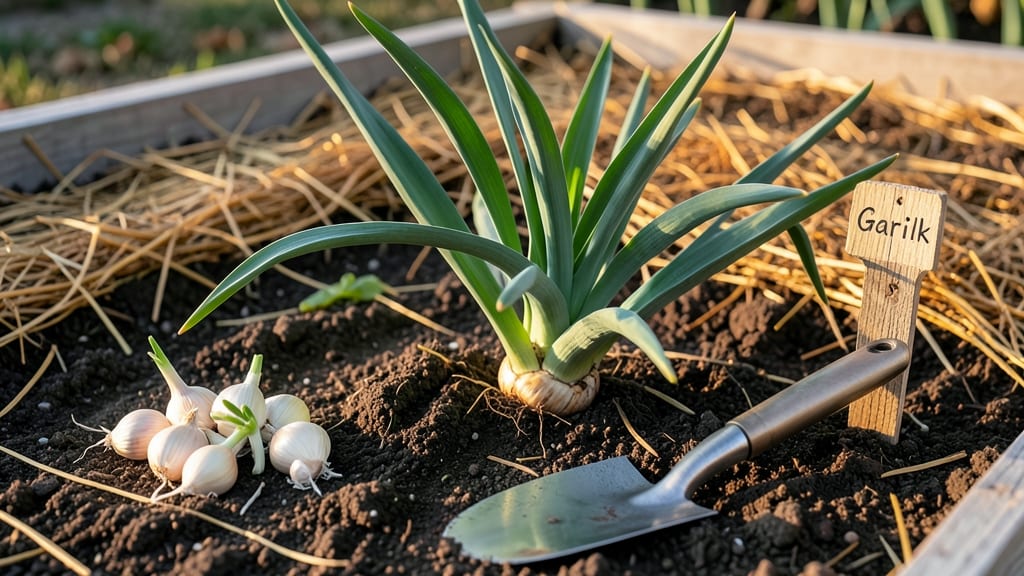
Planting garlic in South Louisiana isn’t just about timing—it’s about outsmarting the climate. With mild winters and high humidity, the wrong move can turn your 🧄 crop into a soggy mess or a heat-stressed failure.
The key? Planting in October or November when soil temps dip but frost stays away—because Louisiana’s zero-frost zones (8b-9a) don’t play by the rules.
Most gardeners swear by early fall, but here’s the twist: January plantings can work too, if you’re growing heat-tolerant varieties like Silverskin or Creole. The secret lies in balancing moisture, soil prep, and variety choice—because what thrives in colder zones wilts under our coastal sun.
I’ve tested the best methods over years of Louisiana gardening, and what I’m about to share cuts through the guesswork. You’ll learn exactly when to plant, which varieties handle our heat, and how to prep soil for sandy or gumbo conditions—so your garlic grows bold, not bolting.
Skip the trial-and-error. Let’s get your 🧄 off to a strong start with climate-smart timing and zero frost worries.
Optimal planting windows for South Louisiana garlic: avoiding heat stress and frost risks
South Louisiana’s zero-frost zones (8b–9a) mean traditional planting advice—like waiting for the first frost—won’t work for garlic. Instead, focus on soil temperatures and humidity control to avoid heat stress or premature bolting.
The ideal planting window spans October through December, with November being the sweet spot for most varieties.
For hardneck garlic, aim to plant 4–6 weeks before the ground freezes (typically mid-November). This gives roots time to establish before winter’s mild chill. Softneck varieties, like ‘Silverskin’, can tolerate slightly later planting—even into early January—but risk smaller bulbs if planted after December 10.
🚨 CRITICAL: Avoid planting in September unless you’re using heat-tolerant varieties like ‘Creole’. Early planting in summer heat leads to bolting (flowering) and poor bulb formation. Even in Louisiana’s humidity, garlic needs cool soil (below 70°F) to thrive.
Soil prep is just as critical as timing. South Louisiana’s sandy or clay-heavy soils drain poorly, so amend with 2–3 inches of compost and 1 inch of organic mulch (like straw) to retain moisture without suffocating roots. Test your soil’s pH (6.0–7.0)—garlic hates acidic conditions common in gumbo soils.
Here’s the golden rule: Plant when daytime highs drop below 80°F and nighttime lows stay above 40°F. Use a soil thermometer to confirm temps are consistently below 70°F at planting depth (2 inches). This prevents heat shock, a common killer in Louisiana’s unpredictable fall weather.
🌱 Pro Tip: If you miss the fall window, try a winter planting in January for a summer harvest. While less common, this works for softneck varieties and extends your growing season—just expect smaller yields.
| Planting Window | Best For | Soil Temp | Humidity Note |
|---|---|---|---|
| October 15–31 | Hardneck varieties | 60–70°F | High—mulch heavily |
| November 1–15 | All varieties (ideal) | 50–65°F | Moderate—reduce watering |
| December 1–10 | Softneck varieties | 45–55°F | Low—protect from cold snaps |
| January 1–15 | Softneck (risky) | 50–60°F | Variable—watch for heat waves |
🌱 Note: Adjust dates 1–2 weeks later in southern parishes (warmer microclimates).
Clove spacing is non-negotiable in Louisiana’s humidity. Plant individual cloves 4–6 inches apart in rows 12–18 inches apart to improve airflow and reduce fungal diseases like white rot. Use the pointy end up—this ensures the shoot emerges upward, not sideways.
Depth matters too: Bury cloves 2 inches deep in loose soil. In heavy clay, loosen the soil further to prevent root binding. If your garden bed is sandy, mix in peat moss to retain moisture without compacting. After planting, water lightly to settle the soil—no soaking!
💡 Local Hack: Use black plastic mulch in late fall to warm soil and speed up sprouting. Remove it in spring to prevent heat buildup. For organic gardens, straw mulch works just as well and deters pests like thrips and onion flies.
Finally, mark your planting rows with biodegradable flags—Louisiana’s unpredictable weather can erase memory faster than a summer storm. Aim to harvest by late April to early May before the heat and humidity trigger bolting again.
Optimal planting windows for South Louisiana garlic: avoiding heat stress and frost risks
South Louisiana’s zero-frost zones (8b–9a) and humid subtropical climate demand a different approach to garlic planting than northern regions. Unlike traditional fall planting in colder climates, your goal is to establish roots before summer heat arrives—without waiting for frost.
The ideal window spans October through December, with November being the sweet spot for most varieties.
For hardneck garlic, plant between mid-October and early November to ensure bulbs mature before summer’s 90°F+ temperatures. Softneck varieties, which are more heat-tolerant, can stretch into December, but avoid planting after January 15—your last average frost date.
Early planting risks heat stress and premature bolting, while late planting may yield smaller bulbs.
| Stage | Action | Notes |
|---|---|---|
| Soil Prep | Test pH (6.0–7.0); amend with compost | Gumbo soils drain poorly; raise beds if needed |
| Planting Depth | 2 inches deep, pointy end up | Use 4-inch spacing for hardneck, 6-inch for softneck |
| Best Months | October–December | November is peak for most varieties |
| Mulch | 2–3 inches of straw | Prevents heat stress and retains moisture |
Soil temperature is critical—aim for 60–70°F at planting depth. In South Louisiana, this typically aligns with late October, but sandy soils may cool faster. Use a soil thermometer to confirm readiness.
If temperatures drop below 50°F, mulch heavily with straw or pine needles to protect emerging shoots from freeze damage.
For coastal areas, where humidity accelerates fungal diseases, choose well-draining sites and avoid overhead watering. Raised beds work wonders in gumbo soil areas, improving aeration and reducing root rot risks. If planting in January, prioritize softneck varieties like ‘Silverskin,’ which handle heat better than hardnecks.
Pro tip: Plant a small test batch in late September to gauge your microclimate. If those cloves sprout before December, you’re in a warmer microzone and should delay planting. Conversely, if growth stalls, your site may need earlier planting or row covers for winter protection.
Harvest timing hinges on leaf color, not frost cues. In South Louisiana, expect to harvest between late April and early June, when lower leaves turn brown but bulbs remain firm. Curing takes 2–3 weeks in dry shade—critical for storage life.