
Plants
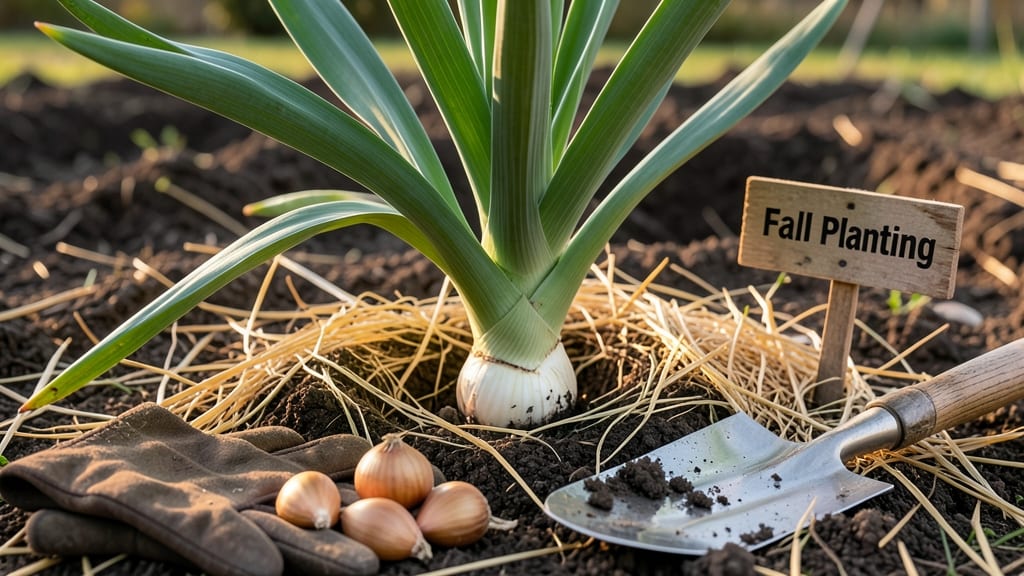
Planting garlic in Tucson isn’t as straightforward as it seems—get the timing wrong, and you’ll end up with puny bulbs or wasted effort. Unlike cooler climates, Tucson’s mild winters and rare frost mean you need to plant 🧄 garlic at just the right moment to ensure robust growth.
The key is planting in October or November, when temperatures start to cool but before the first frost hits. This gives your garlic the 60-90 days of chill it needs to develop properly, even in Zone 9b’s warmer winters.
But here’s the catch: hardneck and softneck varieties have different needs. Hardnecks thrive with a little frost, while softnecks prefer milder conditions. I’ll break down exactly how to time it right for both types—and how to adjust for Tucson’s unpredictable desert weather.
Whether you’re a first-time gardener or a seasoned pro, these tips will help you grow garlic that’s plump, flavorful, and ready to harvest by spring. Let’s get started.
Tucson’s ideal garlic planting window: hardneck vs softneck timing guide
Tucson’s USDA Zone 9b climate means garlic thrives here—but only if you plant at the right time. Unlike colder regions, Tucson’s mild winters and rare frost (typically after December 15) create a unique window for planting.
The key is to plant early enough for bulbs to develop before summer heat sets in, yet late enough to avoid winter dormancy issues.
Most gardeners in Tucson focus on hardneck garlic, which needs cold exposure to form bulbs. However, softneck varieties can also succeed with proper timing. The ideal planting window spans mid-October to early November, allowing cloves to establish roots before winter’s chill.
But don’t panic if you miss this—we’ll cover adjustments for late starts too.
Here’s the critical difference: Hardneck garlic requires 40-60 days below 40°F to form scapes, while softneck garlic is more flexible but still benefits from cooler temps. Tucson’s high desert elevation (2,500–3,000 ft) can drop temps faster than lower areas, so timing varies slightly by neighborhood.
Pro tip: Use Tucson’s first frost date (December 15) as your anchor. Plant 6 weeks before frost—so mid-October to early November—to give cloves time to root deeply. If you plant too late, bulbs may stay small or bolt prematurely in spring’s heat.
For hardneck varieties, aim for October 1–15. These need cold to form scapes (the curly garlic shoots) and larger bulbs. Softneck garlic, like Silverskin, can stretch to November 1–15 but may yield smaller bulbs if planted too late.
🌱 Garlic Planting Timeline for Tucson
| Variety | Ideal Planting Window | Cold Requirement | Harvest Window | Tucson Adjustment |
|---|---|---|---|---|
| Hardneck (e.g., German Red, Music) | October 1–15 | 40–60 days <40°F | April–May | Plant early to avoid heat stress |
| Softneck (e.g., Artichoke, Silverskin) | November 1–15 | Minimal cold needed | May–June | Later planting reduces bulb size |
| Elephant Garlic (not true garlic) | September 15–October 1 | Tolerates heat better | June–July | Plant earliest for largest bulbs |
💡 Note: Adjust for elevation—higher areas (e.g., Catalina Foothills) may need 2 weeks earlier planting.
If you’re in a frost-prone microclimate (like the Santa Catalina Mountains), shift planting to September 15–October 1 to avoid winter damage. Conversely, in low-desert areas (e.g., near Tucson International Airport), you can plant as late as November 1 for softneck varieties.
Common mistakes include planting too late in November, which delays bulb formation, or too early in September, causing cloves to sprout before winter chilling. Monitor your local 10-day forecast for temp drops below 50°F—this signals it’s time to plant.
For organic gardeners, consider cover crops like clover before planting to improve soil structure. Tucson’s sandy loam soil drains quickly, so amending with compost (2–3 inches) before planting ensures moisture retention without waterlogging.
Remember: Garlic planted in Tucson after November 15 will still grow but may produce smaller bulbs due to insufficient chilling. Use this as your absolute deadline unless you’re growing softneck varieties in a sheltered microclimate.
🌱
How to time your garlic planting for maximum yield in Tucson’s heat
Tucson’s desert climate demands precise timing for garlic planting. Unlike cooler regions, your fall planting window must account for mild winters and occasional frost. The key is planting 4-6 weeks before December 15—Tucson’s average first frost date—to ensure bulbs mature before summer heat arrives.
For hardneck varieties, aim for early October, while softneck garlic can wait until late October.
Start by selecting a sunny, well-draining spot with 6+ hours of sunlight daily. Tucson’s alkaline soil (pH 7.5-8.5) can stunt growth, so test your soil and amend with compost or sulfur to lower pH to 6.0-7.0.
Work in 2-3 inches of organic matter like aged manure or leaf mold to improve moisture retention—a must in our dry climate.
🌱 Step-by-Step Tucson Garlic Planting Checklist
- ☑️ Test soil pH (aim for 6.0-7.0)
- ☑️ Loosen soil 12 inches deep
- ☑️ Break garlic bulbs into individual cloves
- ☑️ Plant pointy-end up, 2 inches deep
- ☑️ Space 4-6 inches apart in rows 12 inches apart
- ☑️ Mulch heavily with straw (4+ inches)
- ☑️ Water deeply after planting (1 inch)
After planting, mulch aggressively with straw or wood chips (4+ inches) to insulate bulbs from temperature swings and retain moisture. Tucson’s winter rains can cause rot, so ensure your mulch has 1-inch gaps for drainage.
Water deeply once a week—aim for 1 inch total—and reduce frequency in January-February to harden bulbs before harvest.
Watch for green shoots in 2-3 weeks, signaling successful sprouting. If temperatures dip below 30°F, protect plants with frost cloth—Tucson’s high desert can experience sudden cold snaps.
Remove cloth by mid-February to prevent overheating as days warm. By March, reduce watering to every 10-14 days to trigger bulb maturation.
For maximum yield, fertilize lightly in November with 5-10-10 balanced fertilizer (1 tbsp per plant). Avoid nitrogen-heavy feeds—too much greenery means smaller bulbs. Instead, focus on potassium to strengthen roots. By April-May, when lower leaves brown and stalks flatten, it’s time to harvest—your reward for perfect timing!
Pro tip: Save seeds from your best bulbs for next year’s Tucson-grown garlic. Our high-altitude (2,500-3,000 ft) and low humidity produce garlic with intense flavor and crisp texture—far superior to store-bought. With these steps, you’ll master Tucson’s unpredictable climate and grow garlic that rivals commercial varieties. 🌱