
Plants
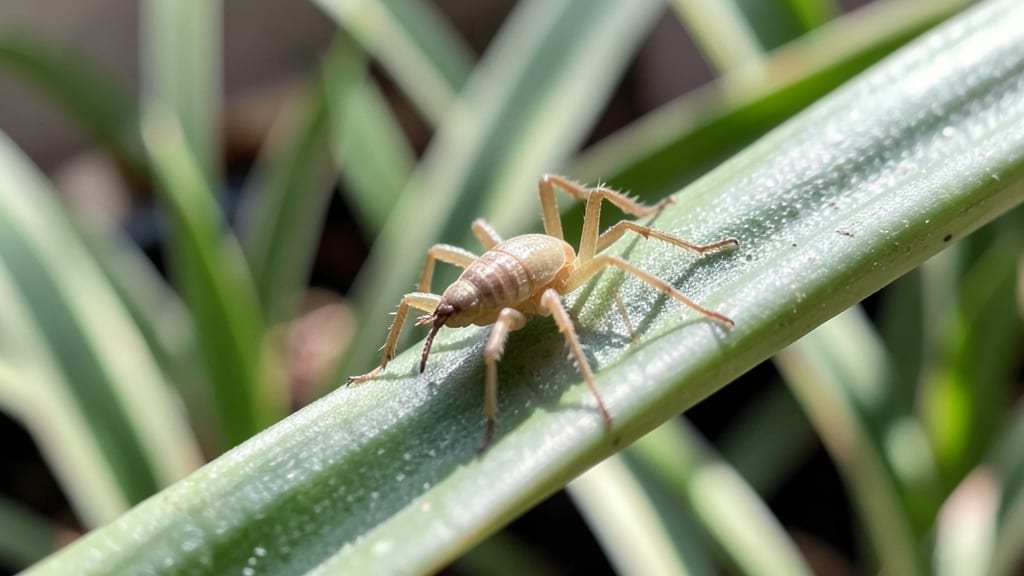
To keep your 🌿 spider plant thriving, you might be surprised to learn that most people get its light needs completely wrong—and that’s why yours could be struggling.
This hardy houseplant actually prefers bright indirect sunlight, but too much direct light or too little can send it into decline faster than you’d expect.
Think your plant just needs "some light"? Not quite. The right balance is key: too little causes those telltale leggy stems and pale leaves, while too much direct sun leads to crispy brown edges. I’ve seen the difference firsthand, and the solution is simpler than you’d think.
In this guide, I’ll break down exactly how much light your spider plant needs—whether you’re dealing with a dim corner or a sunroom—and how to spot the signs when things go wrong. No more guessing, just lush, happy growth every time.
Ready to transform your plant’s future? Let’s dive into the light conditions that’ll have your spider plant looking its best year-round, no matter where you live in USDA Zone 6a or beyond.


Ideal light requirements for spider plants: bright indirect sunlight explained
Your spider plant (Chlorophytum comosum) thrives best in bright indirect sunlight, but many gardeners unknowingly place them in spots that stunt growth or cause stress.
The key is understanding light intensity—measured in foot-candles—where 1000-2500 foot-candles create the perfect balance for vibrant foliage and healthy baby spiderettes. Without this, even the hardiest plants can develop yellow leaves or stretch toward light in a condition called etiolation.
Think of your spider plant’s ideal spot as morning sunlight on a cloudy day—bright enough to encourage growth but filtered to prevent leaf scorch. East-facing windows provide gentle morning light, while north-facing windows offer consistent indirect light throughout the day.
South-facing windows can work, but only if your plant sits at least 3 feet away from the glass to avoid harsh afternoon rays.
🌿 Spider Plant Light Requirements Summary
| Light Condition | Foot-Candles | Window Placement | Growth Effect |
|---|---|---|---|
| Bright Indirect Light | 1000-2500 | East or North Window, 1-3 ft away | Healthy variegation, compact growth |
| Low Light | <500 | North corner, interior rooms | Leggy growth, pale leaves, fewer spiderettes |
| Direct Sunlight | >3000 | South/West Window, <1 ft away | Brown leaf tips, crispy edges, sunburn |
| Fluorescent Light | 500-1500 | Office, kitchen, 1-2 ft from bulbs | Slow growth, weak variegation, possible yellowing |
💡 Pro Tip: Rotate your plant quarter-turn weekly to ensure even light exposure on all sides.
One of the most misdiagnosed issues with spider plants is yellowing leaves, which often gets blamed on overwatering when the real culprit is inadequate light. In low light, your plant’s leaves lose their variegated stripes (the white/yellow edges) and turn solid green as it struggles to photosynthesize efficiently.
Conversely, direct sunlight causes brown patches or white spots—signs of sunburn—especially on the leaf edges where light hits most intensely.
Pay attention to your plant’s growth patterns too. Healthy spider plants grow compact and bushy, with 2-3 inch long leaves and frequent spiderette production. If your plant stretches upward with long, thin leaves (a sign of etiolation), it’s begging for more light.
Conversely, if leaves appear thick and rubbery, it might be getting too much direct sun.
For office environments with fluorescent lighting, aim for 1-2 feet from the bulbs to mimic natural light conditions. However, avoid placing your spider plant directly under LED grow lights unless you’re using a 12-hour day/night cycle—too much artificial light can stress the plant just as much as too little.
Seasonal changes also affect light exposure. In winter, when daylight hours shrink, supplement natural light with a grow bulb or move your plant to a sunnier window. In summer, watch for afternoon sun creeping in—even indirect light can intensify during peak hours, so adjust placement accordingly.
If you’re unsure whether your current spot is ideal, perform a simple shadow test: Place a white piece of paper near your plant during the day. If the shadow is sharp and dark, your plant is getting too much direct light.
If the shadow is fuzzy or nonexistent, it’s likely in perfect bright indirect light. Adjust until you find that sweet spot where your spider plant’s foliage stays vibrant and growth stays vigorous.
Remember, spider plants are forgiving—they can tolerate low-light conditions for months without dying, but they’ll never thrive. The goal is to give them enough light to flourish, not just survive.
With the right conditions, your spider plant will reward you with lush green-and-white leaves and abundant baby plants to share with friends.
How to adjust your spider plant's light exposure for maximum growth
If your spider plant is growing leggy or losing its variegated stripes, it’s likely not getting the right light. The good news? Adjusting light exposure is easier than you think. Start by identifying your home’s light zones—most north-facing windows provide the perfect bright indirect light spider plants crave.
For south-facing windows, place your plant 3-5 feet away to prevent leaf scorch. If you’re in an office with fluorescent lighting, rotate the pot quarter-turns weekly to ensure even growth. Fluorescent bulbs can cause stunted growth if the plant sits too close.
- Use a sheer curtain on west-facing windows to diffuse harsh afternoon sun.
- Rotate your plant every 2-3 weeks to prevent lopsided growth from uneven light.
- For low-light offices, supplement with a 10W LED grow bulb 6-12 inches away.
- In summer months, move plants 1 foot farther from windows to avoid heat stress.
- Watch for yellowing leaves—a sign of too much direct sun—and adjust placement immediately.
Seasonal changes matter too! During winter months, when sunlight is weaker, place your spider plant closer to the window (about 1-2 feet away). If you notice pale green leaves, it’s time to move it 1 foot nearer to the light source.
Pro tip: Use a light meter app (like Planta or Grow Lights) to check light levels. Aim for 1,000-2,500 foot-candles—any lower, and growth slows; any higher, and leaves burn. Most bedroom windows hit the sweet spot!
If you’re still struggling, try a south-facing windowsill with a white reflective tray underneath. This bounces 20-30% more light onto the plant’s underside, where photosynthesis happens too. Just avoid plastic trays—they can trap heat and damage roots.
Remember: Spider plants are adaptable, but they thrive with consistent light. Small tweaks—like rotating, adjusting distance, or supplementing—can turn a struggling plant into a lush, variegated beauty in just weeks. 🌿