
Plants
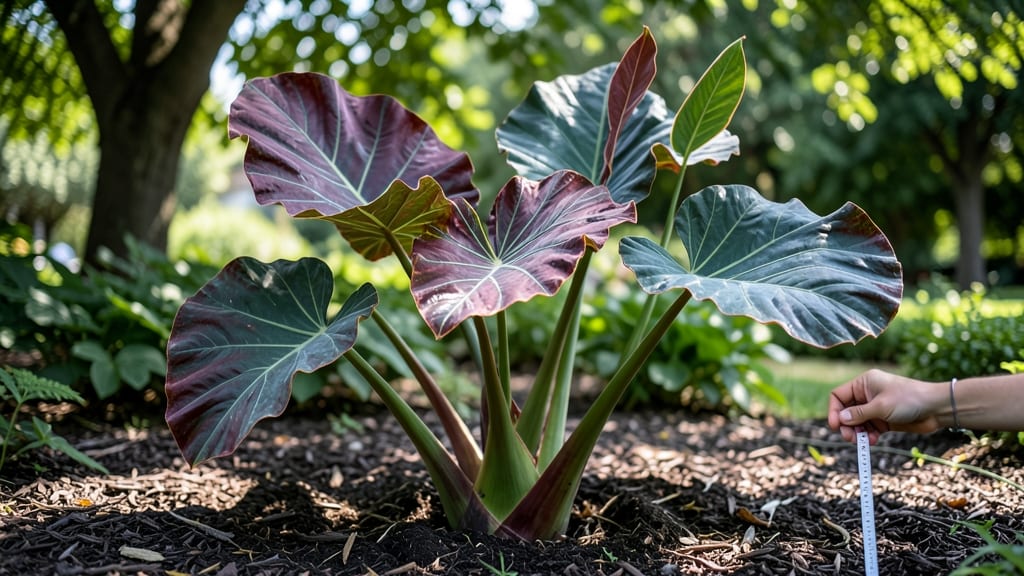
If you're wondering how tall an elephant ear plant grows, the answer might surprise you—these tropical stunners can range from compact 2-foot showstoppers to towering giants reaching 6 feet or more!
Whether you're planning a bold garden statement or dreaming of container-friendly varieties, understanding their mature size is key to choosing the perfect spot for your 🌿.
Elephant ear plants—like the dramatic Colocasia gigantea or the elegant Alocasia zebrina—don't follow a one-size-fits-all rule. Some varieties stay petite, making them ideal for patios or small gardens, while others grow aggressively, demanding space to spread their lush, heart-shaped leaves.
The good news? With the right care, you can influence their height and keep them in check, even in limited spaces.
Curious about which varieties fit your space? I’ll break down the height ranges by species, from dwarf types perfect for containers to the giants that thrive in full sun.
You’ll also discover how sunlight, soil, and even your climate zone play a role in shaping their growth—so you can grow the perfect-sized elephant ear for your garden.
Ready to transform your outdoor space with these statement plants? Let’s dive into the details so you can pick the perfect variety and give it the care it needs to reach its full potential—without overpowering your yard.


Elephant ear plant height by variety: small to giant sizes explained
Elephant ear plants—belonging to the Colocasia, Alocasia, and Xanthosoma genera—come in a stunning array of sizes, from petite patio plants to towering tropical giants.
The mature height of an elephant ear plant depends entirely on its variety, with some reaching 6 feet or taller while others stay under 2 feet.
Understanding these differences helps you choose the perfect plant for your space, whether it's a shadowy corner, a sunlit border, or a container on your patio.
For example, the Colocasia gigantea is a true giant, often exceeding 6 feet in ideal conditions, while the Alocasia zebrina typically stays between 3 and 4 feet. Even within a single genus, like Colocasia, you’ll find dwarf varieties like 'Polly' that max out at 2 feet.
The key to managing their size lies in selecting the right variety for your garden’s scale and growth conditions.
Below, I’ve organized the most popular elephant ear varieties by their mature height ranges, along with their growth habits and ideal uses. Whether you’re planning a bold garden statement or a compact container display, this guide will help you visualize how each variety will fit into your space.
🌿
Elephant Ear Plant Height Comparison
| Variety | Mature Height | Leaf Size | Best For |
|---|---|---|---|
| Colocasia gigantea | 6–8 ft | 2–3 ft wide | Large gardens, tropical borders |
| Colocasia 'Black Magic' | 3–4 ft | 1–2 ft wide | Containers, mixed borders |
| Alocasia zebrina | 3–4 ft | 1.5–2 ft wide | Shady spots, indoor plants |
| Colocasia 'Pink China' | 2–3 ft | 1–1.5 ft wide | Patios, containers |
| Alocasia 'Polly' | 1.5–2 ft | 1 ft wide | Dwarf gardens, indoor |
| Xanthosoma 'Caribbean Moon' | 4–5 ft | 2 ft wide | Tropical gardens, borders |
The leaf shape and growth habit of elephant ear plants often correlate with their height. For instance, varieties with large, broad leaves, like Colocasia gigantea, tend to grow taller to support their foliage, while smaller-leaved types, like Alocasia 'Polly', stay compact.
This makes them ideal for container gardening or small spaces where height is a concern.
If you’re growing elephant ear plants in containers, choose dwarf varieties like 'Polly' or 'Jewel Drop', which rarely exceed 2 feet in height. Even standard varieties can be pruned to control their size, though they may produce fewer leaves.
For ground plantings, give larger varieties like Colocasia gigantea plenty of space—they can spread 3–5 feet wide in addition to their height!
Pro tip: If you love the look of elephant ear plants but lack space, consider Alocasia varieties. Many, like Alocasia 'Dragon Scale', stay under 3 feet tall while offering stunning foliage patterns.
Their upright growth habit also makes them easier to fit into tight spaces compared to the sprawling Colocasia types.
🌱
One common misconception is that all elephant ear plants grow aggressively. While some varieties, like Colocasia esculenta, can spread rapidly in moist conditions, others—especially Alocasia
What determines elephant ear plant height: key growing conditions
Elephant ear plants don’t grow to their full potential by chance—their height is heavily influenced by sunlight exposure, soil quality, and watering habits.
For example, a Colocasia esculenta planted in full sun can reach 5-6 feet, while the same variety in partial shade might max out at 3-4 feet. This flexibility means you can tailor their growth to your space by adjusting these key factors.
Another critical factor is soil drainage. Elephant ears thrive in rich, moist soil but will struggle—and stay shorter—if planted in heavy clay or sandy soil. Amending your soil with compost or peat moss can boost their growth by up to 30% compared to poor-quality soil.
In containers, well-draining potting mix with added organic matter is a game-changer for compact growth.
Your climate zone also plays a role. In USDA Zones 8-11, elephant ears grow aggressively year-round, often reaching their maximum height. But in cooler zones (like Zone 6-7half their potential unless you treat them as annuals or overwinter them indoors.
Even in warm climates, winter dormancy can reset their growth cycle, keeping them more manageable.
🌱 Elephant Ear Growth Factors at a Glance
| Factor | Impact on Height | Pro Tip |
|---|---|---|
| Sunlight | Full sun = 5-6 ft; partial shade = 3-4 ft | Use morning sun to avoid leaf scorch. |
| Soil Quality | Rich soil = 30% taller; poor soil = stunted growth | Mix in compost for optimal nutrients. |
| Watering | Consistent moisture = full height; drought = shorter | Water deeply 2-3x/week in containers. |
| Climate Zone | Zones 8-11 = full height; Zones 6-7 = 50% shorter | Overwinter indoors in cool zones. |
If you’re growing elephant ears in containers, their height will naturally stay shorter due to root restriction. However, you can still encourage bushier growth by pruning back leggy stems in early spring.
This trick works especially well for Alocasia varieties, which tend to grow taller in the wild but adapt well to container life with proper care.
One often-overlooked factor is fertilization. Over-fertilizing can lead to rapid but weak growth, making plants more prone to flopping. Instead, use a balanced 10-10-10 fertilizer every 4-6 weeks during the growing season.
For dwarf varieties, cut back to every 8-10 weeks to maintain compact size. Pair this with regular mulching to retain moisture and encourage steady, controlled growth.
For gardeners in small spaces, the key to managing elephant ear height is proactive care. Combine partial shade, container planting, and moderate feeding to keep even large varieties like Colocasia gigantea under 4 feet.
With these strategies, you can enjoy their dramatic foliage without sacrificing your garden’s layout. 🌿